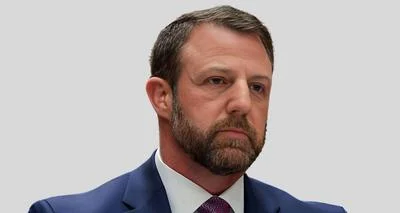
Subcommittee on Cybersecurity and Infrastructure Protection Chairman Andy Ogles (R-TN) has requested testimony from LinkedIn, Amazon Web Services, and Palo Alto Networks regarding North Korea’s increasing use of remote IT worker schemes to infiltrate U.S. companies. The hearing is scheduled for February 10, 2026.
Chairman Ogles sent letters to the three companies asking each to designate a senior executive or subject matter expert to testify before the subcommittee. The focus will be on how operatives aligned with the Kim Jong Un regime have exploited cloud-based hiring platforms, remote work trends, and artificial intelligence-enabled impersonation tools. These methods have allowed them to gain unauthorized access to U.S. corporate environments under false identities, often in roles related to software development, cloud engineering, and cybersecurity.
The letters detail how these activities have grown in scale and sophistication, evolving from basic fraud tactics into a coordinated state-directed cyber strategy by North Korea.
LinkedIn is involved in creating and validating professional identities; Amazon Web Services hosts cloud environments that are targeted by adversaries; Palo Alto Networks works on detecting and responding to malicious activity after infiltration. The hearing aims for these companies to provide their perspectives on this threat and contribute ideas for a coordinated response.
Chairman Ogles wrote: “The Subcommittee on Cybersecurity and Infrastructure Protection of the House Committee on Homeland Security is examining a growing national security threat driven by the Democratic People’s Republic of Korea’s (commonly known as North Korea, hereafter ‘DPRK’) exploitation of modern remote work and digital hiring practices to embed operatives within U.S. companies under false identities. Although this activity is not a recent development and is frequently encountered at the company level as hiring fraud or identity theft, its scale, sophistication, and potential impact have increased significantly. The Kim Jong Un regime has adapted this model into a state-directed strategy to evade sanctions, generate illicit revenue, and obtain unauthorized access to U.S. corporate and technological environments. As a result, this activity now poses serious and direct risks to the security of the homeland.”
He continued: “Public reports, federal law enforcement actions, and private sector investigations have demonstrated that DPRK operatives are using stolen or fabricated identities and artificial intelligence-enabled impersonation tools, including synthetic imagery and voice manipulation technologies, to defeat traditional safeguards and obtain remote employment at American companies. These operatives often deliberately apply for and secure positions in technical, cloud, and security relevant roles, thereby enabling the DPRK government to penetrate internal systems, proprietary data, and operational environments never intended to be exposed to a hostile foreign adversary. These activities have been the subject of sustained investigative attention across the federal government, including by the Department of Justice, the Department of Treasury, and the Intelligence Community.”
Ogles concluded: “For these reasons I respectfully request that you designate a senior executive or comparably senior subject matter expert to testify before the Subcommittee at a hearing titled ‘AI, Deepfakes, and Digital Deception: An Examination of North Korea’s Use of Remote IT Workers to Infiltrate U.S. Companies Fund Its Weapons Program And Threaten The Homeland.’ The hearing will take place on Tuesday February 10 2026 at 10:00 am in 310 Cannon House Office Building and will examine how these schemes function in practice how AI has accelerated their scale and effectiveness and what steps US companies and the federal government including the Cybersecurity and Infrastructure Security Agency can take to reduce risk.”
Earlier this month Chairman Ogles led another hearing focused on improving offensive cyber operations amid increasing threats from countries such as China Russia North Korea and Iran as part of broader national security efforts.
Additionally in November 2025 two bills introduced by Chairman Ogles passed through Congress aimed at strengthening America’s cybersecurity defenses. One bill would reauthorize grants for state local tribal and territorial governments addressing cybersecurity threats especially those involving artificial intelligence while another would create an interagency task force led by CISA and the FBI targeting threats posed by foreign state-sponsored actors associated with nations like China.