A Chinese national has been sentenced to 46 months in federal prison for his involvement in laundering more than $36.9 million from victims of a digital asset investment scam. The sentencing took place in Los Angeles, where United States District Judge R. Gary Klausner also ordered Jingliang Su, 45, to pay $26,867,242 in restitution.
Su pleaded guilty in June 2025 to one count of conspiracy to operate an illegal money transmitting business. According to court documents, Su was part of an international criminal network that targeted U.S. victims through online scams operated from Cambodia.
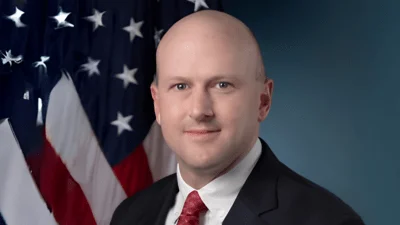
“New investment opportunities may sound intriguing, but they have a dark side: attracting criminals who, in this case, stole then laundered tens of millions of dollars from their victims,” said First Assistant United States Attorney Bill Essayli. “I thank our law enforcement partners for their efforts at bringing this defendant to justice and I encourage the investing public to be cautious. An ounce of prevention is worth a pound of cure.”
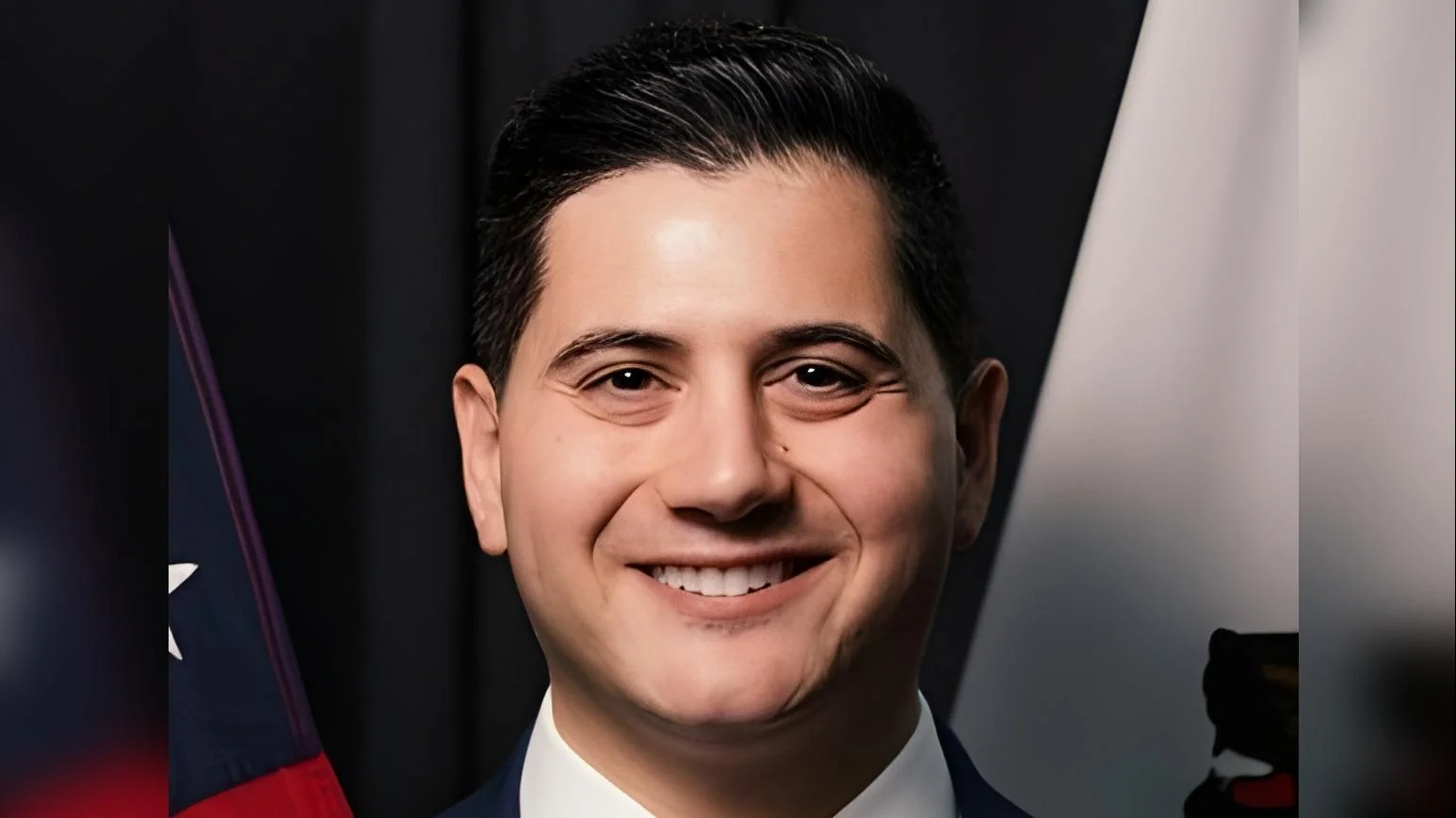
“This defendant and his co-conspirators scammed 174 Americans out of their hard-earned money,” said Assistant Attorney General A. Tysen Duva of the Justice Department’s Criminal Division. “In the digital age, criminals have found new ways to weaponize the internet for fraud. The Criminal Division and its law enforcement partners have continued to evolve and caught large-scale scammers, who target people through their phones, social media, and fake internet sites, steal from them, and then move their money through cryptocurrency and wire transfers outside of the United States.”
The scam began with overseas co-conspirators contacting U.S. victims via unsolicited messages on social media platforms and online dating services to gain trust before promoting fraudulent digital asset investments. Fake websites resembling legitimate cryptocurrency trading platforms were used to convince victims to send funds under false pretenses.
Victims’ funds were transferred from U.S.-based accounts controlled by co-conspirators into an account at Deltec Bank in the Bahamas. Su and others directed Deltec Bank to convert these funds into Tether (USDT), which was then moved into a digital wallet managed in Cambodia before being distributed further within regional scam centers.
Eight individuals involved in the scheme have pleaded guilty so far—including Jose Somarriba and ShengSheng He—who received sentences of 51 months and 36 months respectively for conspiracy charges related to operating an unlicensed money transmitting business.
Su has been held in federal custody since December 2024.
Multiple agencies contributed to investigating this case including USSS’s Global Investigative Operations Center; Homeland Security Investigations’ El Camino Real Financial Crimes Task Force; Customs and Border Protection’s National Targeting Center; U.S. Department of State’s Diplomatic Security Service; Dominican National Police; and U.S. Marshals Service.
Assistant United States Attorneys Nisha Chandran (Major Frauds Section), Alexander Gorin and Maxwell Coll (National Security Division), along with Justice Department Trial Attorneys Stefanie Schwartz (Computer Crime and Intellectual Property Section) and Tamara Livshiz (Fraud Section), prosecuted the case.
This sentencing is part of ongoing efforts by the Justice Department’s Criminal Division—with support from U.S. Attorneys’ Offices nationwide—to disrupt global scam center operations using expertise in cybercrime investigation as well as coordination with foreign law enforcement through International Computer Hacking and Intellectual Property prosecutors posted worldwide.
By seizing crime-linked cryptocurrency assets, dismantling scammers’ infrastructure targeting U.S citizens, disrupting domestic/international laundering networks—and coordinating victim assistance—the government aims to cut off resources enabling such frauds.
The U.S. Attorney's Office for the Central District of California serves as the federal office responsible for enforcing laws across seven counties including Los Angeles County where this prosecution took place. The office works closely with local law enforcement partners on criminal cases such as this one while providing community outreach programs focused on victim assistance (source). It handles both criminal prosecutions like those involving financial crimes as well as civil matters affecting over 19 million residents (source).
If you or someone you know has been affected by digital asset investment fraud schemes similar to this one, authorities urge reporting incidents via IC3.gov.