Leah B. Foley United States Attorney for the District of Massachusetts | Department of Justice
Monica Cannon-Grant, the founder and former CEO of Violence in Boston (VIB), was sentenced in federal court for multiple fraud-related offenses. U.S. District Court Judge Angel Kelley sentenced Cannon-Grant, 44, of Taunton, to four years’ probation, including six months of home detention and 100 hours of community service. She must also pay $106,003 in restitution, with forfeiture to be determined later. Prosecutors had recommended an 18-month prison sentence.
Cannon-Grant pleaded guilty in September 2025 to 18 counts, including wire fraud conspiracy, wire fraud, mail fraud, filing false tax returns, and failing to file tax returns. Her co-conspirator and late husband Clark Grant’s charges were dismissed after his death in May 2023.
Authorities said Cannon-Grant misused donations intended for VIB by using them for personal expenses and defrauded various public programs during the COVID-19 pandemic. She falsely represented her role at VIB as uncompensated while using organizational funds for personal use through cash withdrawals and transfers to personal accounts. The case involved fraudulent applications for grants from both public and private entities.
Cannon-Grant conspired to defraud the Boston Resiliency Fund (BRF), a city fund created to help residents during the pandemic. After receiving about $53,977 in relief funds from BRF, she withdrew around $30,000 in cash from VIB’s account and deposited additional amounts into her personal bank account. These actions were not disclosed to BRF; instead, she reported that all grant funds were used appropriately.
She also concealed household income to obtain $12,600 in rental assistance from Boston’s Office of Housing Stability by misrepresenting earnings on applications meant for residents facing housing insecurity. Additionally, fraudulent claims were made to the Massachusetts Department of Unemployment Assistance regarding pandemic unemployment benefits.
The investigation found that Cannon-Grant filed false tax returns for 2017 and 2018 and failed to file returns for 2019 and 2020. This omitted significant income received from VIB and consulting work.
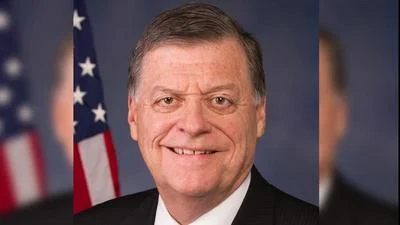
U.S. Attorney Leah B. Foley stated: “Monica Cannon-Grant’s crimes were not a momentary lapse in judgment — they were a calculated pattern of deception that spanned years. She repeatedly lied to donors, government agencies, and the public, even after being caught — all while presenting herself as a champion for others. Fraud disguised as activism or charity is still fraud. You don’t get partial credit for stealing... This case makes clear that exploiting public trust for personal enrichment is a serious federal crime, no matter how it is packaged.”
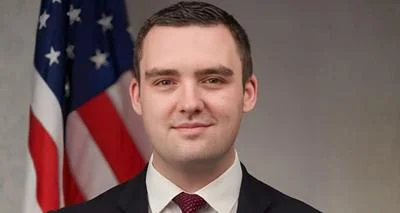
Nicolas Bucciarelli of the U.S. Postal Inspection Service commented: “Ms. Cannon-Grant’s actions were crimes of greed and opportunity but will not go unpunished thanks to the law enforcement community... This case illustrates that anyone who defrauds state programs and exploits their position in the community will be held accountable for their actions.”
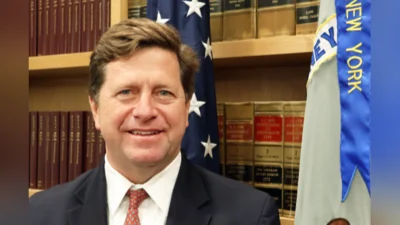
Anthony P. D’Esposito from the Department of Labor added: “Monica Cannon-Grant illegally enriched herself through a scheme that fraudulently diverted critical taxpayer resources from individuals who depended on unemployment insurance benefits during the COVID-19 pandemic... We will continue to work closely with the U.S. Attorney’s Office and our law enforcement partners to safeguard vital U.S. Department of Labor programs and ensure accountability for those who seek to exploit them.”
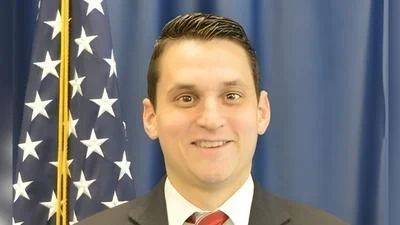
Thomas Demeo of IRS Criminal Investigation said: “This case against Monica Cannon-Grant demonstrates IRS-CI’s commitment to protecting all American citizens... While Cannon-Grant personally profited from her own scheme, those in the communities seeking a lifeline from her organization had to go without.”
Violence in Boston was established as an anti-violence nonprofit in 2017 with goals including reducing violence and aiding community causes across Greater Boston.
The sentencing follows broader efforts by federal authorities targeting pandemic-related fraud through initiatives such as the COVID-19 Fraud Enforcement Task Force established by the Attorney General on May 17, 2021 (https://www.justice.gov/coronavirus). The task force coordinates investigations into misuse of relief funds distributed during COVID-19.
Individuals with information about attempted COVID-19-related fraud are encouraged to report it via phone or online form (https://www.justice.gov/disaster-fraud/ncdf-disaster-complaint-form).