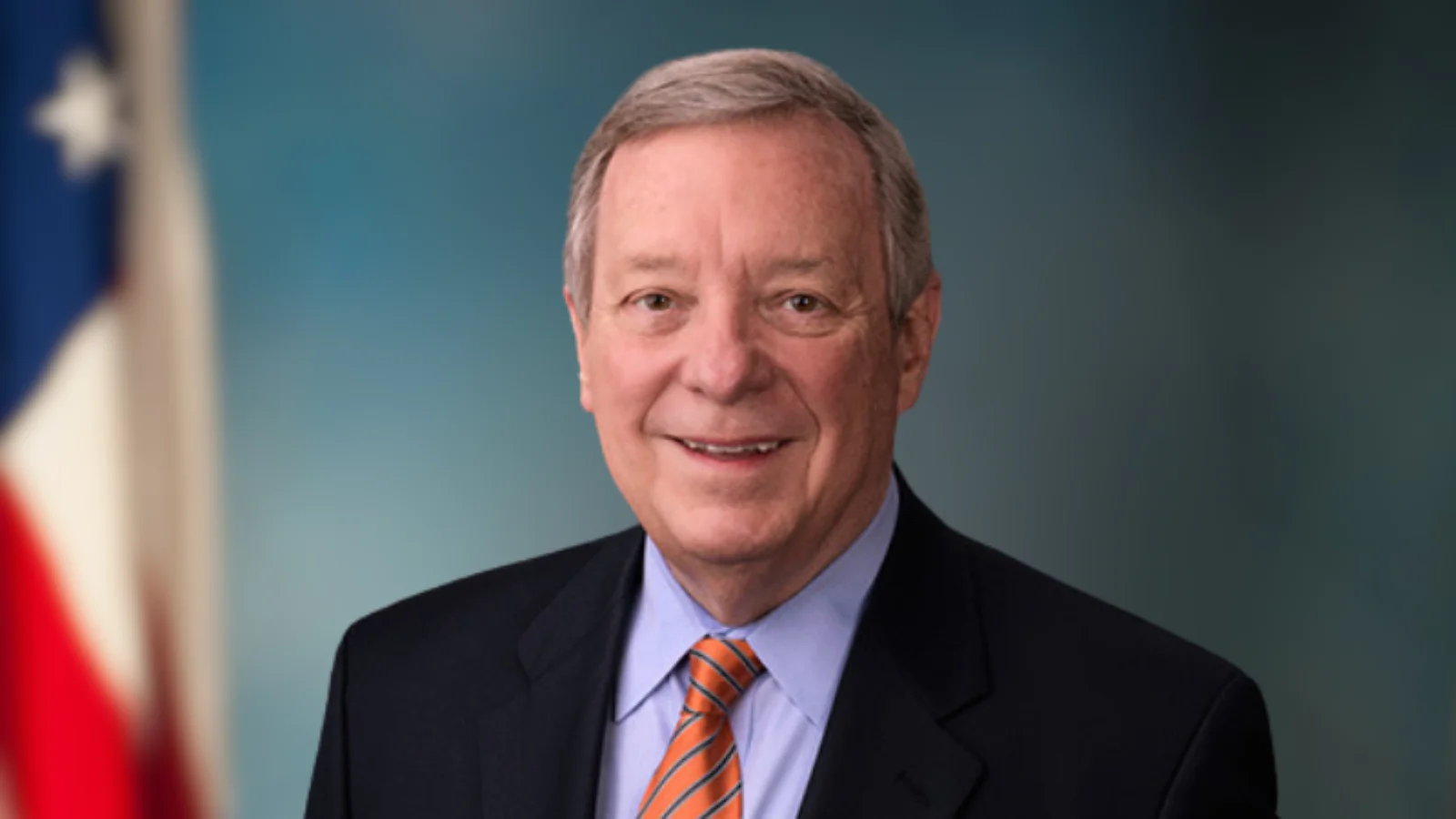
At a Senate Judiciary Committee hearing titled “The Truth Revealed: Hidden Facts Regarding Nazis and Swiss Banks,” Senator Dick Durbin (D-IL), the committee’s Ranking Member, questioned witnesses about the ongoing investigation into Nazi-linked accounts at Credit Suisse. The inquiry follows UBS’s 2023 acquisition of Credit Suisse and centers on access to 150 disputed documents related to a 1998 settlement with Holocaust survivors.
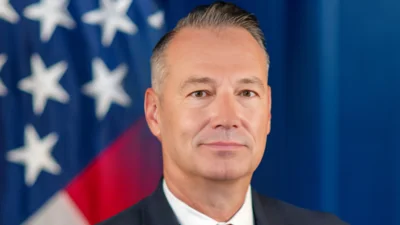
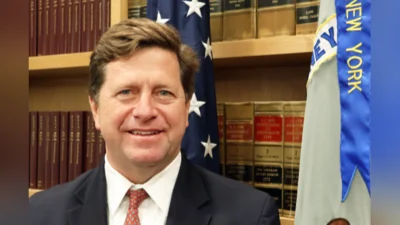
Durbin addressed Neil Barofsky, the independent ombudsperson overseeing the investigation, who has not been able to review these documents. UBS claims attorney-client privilege may protect them. Durbin also questioned Barbara Levi, Group General Counsel for UBS Group, and Robert Karofsky, President of UBS Americas.
“I think you have made it clear that you believe your institution [UBS] has made a good faith effort to disclose information and to bring justice to this issue. The settlement agreement, the last payment was made seven or eight years ago, and it was $1.3 billion in total… It still, at this point, puzzles me that there is a difference of opinion as to whether you have made full disclosure of relevant materials and facts. You had said in your testimony that your institution has disclosed 16.5 million documents provided to the ombudsperson, and that there is a dispute over 150 documents remaining… Would you please clarify why you have not produced the disputed 150 documents?” Durbin asked.
Levi responded that UBS is considering options for providing access to these records.
Durbin then turned to Rabbi Abraham Cooper from the Simon Wiesenthal Center and Mr. Barofsky regarding the significance of these materials.
“Why do you believe these documents… are so critically important that this matter is still in litigation?” Durbin asked.
Rabbi Cooper replied: “It is not about the number of documents. It is really about our last chance to learn the full truth.”
Barofsky explained his focus is on unresolved questions about specific Nazis or enablers who may have held accounts at Credit Suisse rather than privileged legal communications. He also commended UBS’s cooperation outside of this legal dispute: their willingness to work with him was “picture-perfect.”
Durbin concluded by asking Karofsky if he anticipated a resolution soon.
“Mr. Karofsky, your testimony, written and oral, is an effort by your institution to be helpful and come clean. It appears in the situation, for several months, you have been at loggerheads, in dispute over these documents. Is there any chance we can resolve this in the near term?” Durbin asked.
Karofsky stated that UBS had provided 16.5 million documents and opened access to archives across seven countries for Barofsky’s investigation; he expressed continued support for resolving outstanding issues regarding document disclosure.