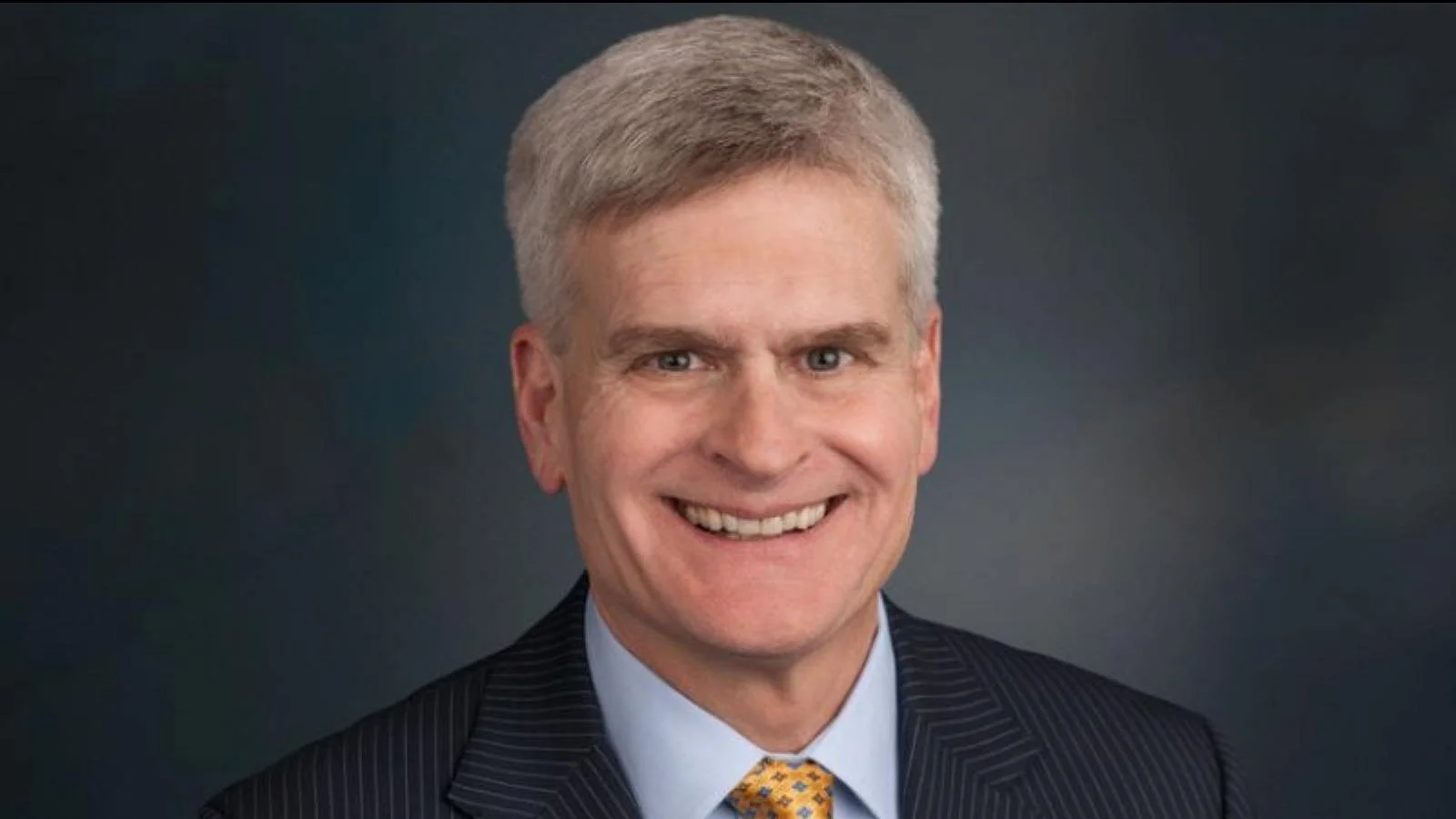
U.S. Senator Bill Cassidy, M.D. (R-LA), chair of the Senate Health, Education, Labor, and Pensions (HELP) Committee, addressed efforts to modernize the National Institutes of Health (NIH) during a committee hearing on bringing innovative cures to American families.
The HELP Committee is responsible for shaping legislation related to public health, education, workforce issues, and retirement programs in the United States. It also oversees federal laws and agencies in these sectors and influences regulations that impact health and education nationwide. The committee plays a central role in setting federal policy for health organizations such as the FDA and NIH. More information about its work can be found on its official website: https://www.help.senate.gov/.
During his remarks, Cassidy highlighted NIH’s significant role in funding biomedical research. "The National Institutes of Health (NIH) funds more than 50,000 biomedical research projects a year, more than any other institution in the world. These investments drive lifesaving advances to address chronic disease, cure cancers, and treat other conditions affecting millions of Americans."
Cassidy drew from his experience as a physician: "I treated patients in my medical practice for over 25 years. I’ve seen the power of innovation to save lives. And I’ve seen the tragedy when a patient suffers and dies from a disease for which there is no treatment."
He emphasized bipartisan support for NIH over decades and referenced past legislative milestones: "For decades, Republicans and Democrats have supported the NIH mission... In 2006, we passed the NIH Reform Act... In 2016, we passed the 21st Century Cures Act..."
Looking ahead to further reform in 2026, Cassidy stated: "It’s now 2026; it’s time for us to strengthen NIH and American leadership in biomedical research." He called on Congress to collaborate across party lines: "Putting down partisan jerseys and working together to improve families’ health, Congress, and this Committee can do this."
Cassidy mentioned releasing a white paper with suggestions for modernizing NIH operations: "I released a white paper in May 2024 with ideas from those who worked with the agency as to how to modernize the agency... If you are dying you are desperate." He discussed improving grant review processes so researchers could pursue larger-scale ideas rather than incremental experiments.
He also addressed access disparities among scientists at smaller institutions: "We have mid-career scientists who feel their careers are stagnating because they do not work at universities in San Francisco or Boston... How can NIH be more of a resource for others?"
On technology use within research collaboration he asked: "How can we harness the power of AI to make findings from all studies... more easily accessible?"
Cassidy expressed concern about recent actions by NIH regarding grant cancellations: "Last year, NIH reportedly terminated more than 1,000 awards amounting to $721 million. Among them were 58 projects on Alzheimer’s disease, 99 on HIV/AIDS..." He warned that cutting investments could erode trust within both Congress and scientific communities.
He also criticized previous requirements tied to diversity language in grants under prior administrations but said reforms should not undermine essential research: "We must ensure taxpayer dollars go to research that helps families... But we can achieve this goal without upending lifesaving research..."
Cassidy invited Dr. Bhattacharya before the committee stating: "Dr. Bhattacharya... Since your confirmation you have brought fresh ideas... I hope the Trump administration’s collaboration and support will move Congressional reform efforts forward..."
He concluded by emphasizing cooperation between Congress and NIH as essential for advancing public health.
"NIH and Congress must work together to meet the moment and improve Americans’ health. Families and patients are counting on us."
More details about ongoing updates from HELP Republicans are available via their website or Twitter account @GOPHELP.