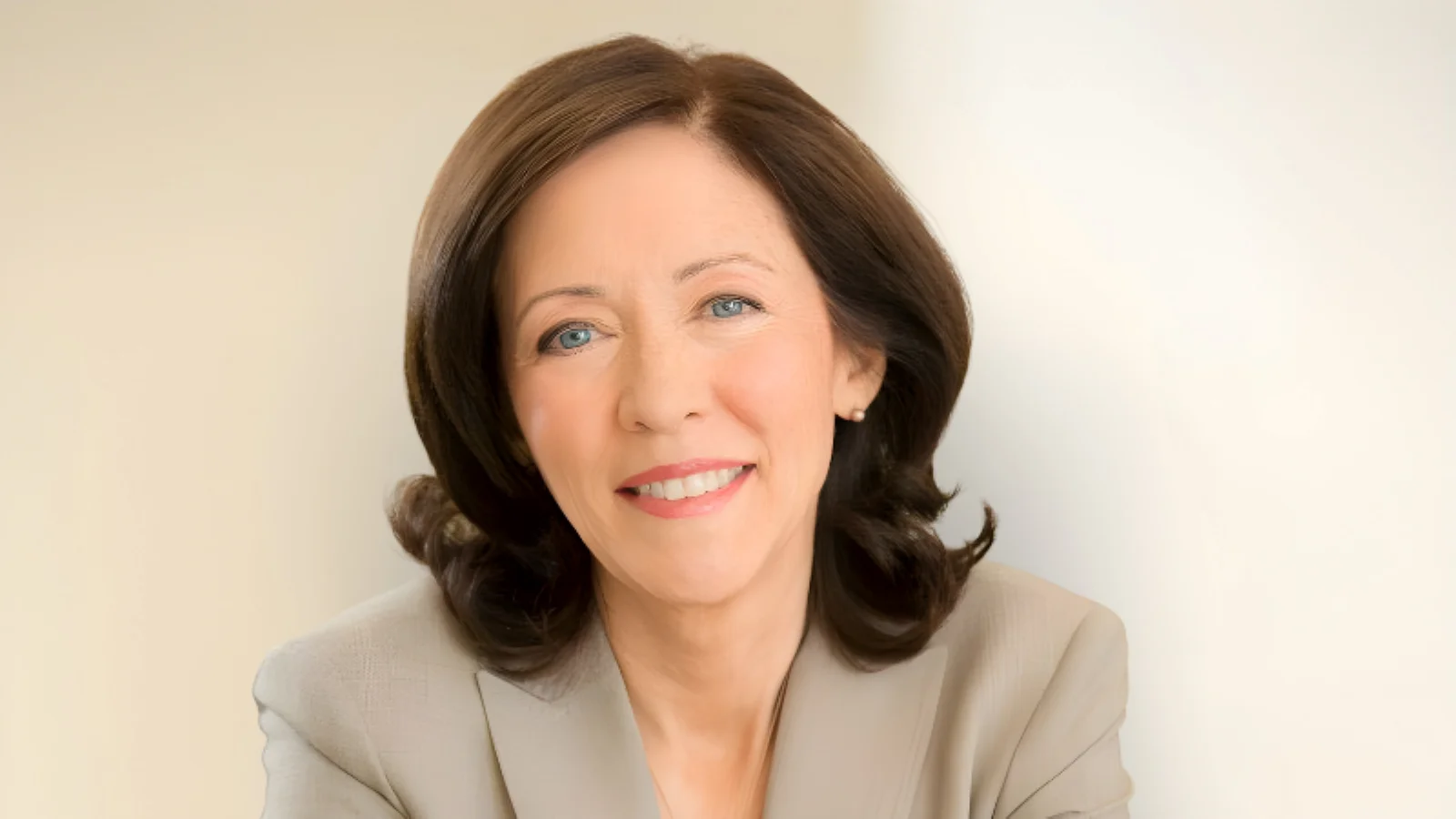
U.S. Senator Maria Cantwell, the Ranking Member of the Senate Committee on Commerce, Science and Transportation, delivered opening remarks at a hearing focused on the future of self-driving vehicles. The session included testimony from industry leaders such as Lars Moravy, Vice President of Vehicle Engineering at Tesla; Mauricio Pena, Chief Safety Officer at Waymo; Jeff Farrah, CEO of the Autonomous Vehicle Industry Association; and Professor Bryant Walker Smith from the University of South Carolina’s Rice School of Law.
Cantwell highlighted her commitment to advancing surface transportation legislation and emphasized road safety concerns. “I don't know whether this kind of legislation is the appropriate place for that, but I do know that nearly 40,000 people die on the roads each year, and thankfully, we have seen how innovation in vehicle technology can make human drivers safer on the roads. For instance, automatic emergency braking technology has been shown to reduce injuries from rear collisions by 60 percent. These technologies are saving lives today,” she said.
She addressed risks associated with autonomous vehicles being tested without adequate oversight: “Fully autonomous vehicles offer the potential to reduce crashes on roads, but we have seen the risk of letting companies beta-test on our roads with no guardrails. In 2024 a report from NHTSA linked Tesla's autopilot to hundreds of crashes, including at least 13 fatal crashes and many more injuries. Safety advocates have linked 65 fatalities to Tesla's automated technologies.”
Cantwell cited a specific incident in Washington state involving Jeffrey Nissen’s death due to a failure in Tesla’s autopilot system and criticized federal regulatory gaps: “Tesla was allowed to market their technology—which they knew needed human supervision—as Autopilot because there were no federal guardrails. In fact, it was the state of California, not the federal government, that forced Tesla to change its marketing or lose the ability to sell in that state.”
The senator also pointed out reductions in resources at NHTSA during recent years: “So, I do believe that federal agencies have a role. But what's happened so far is the Trump administration has tried to gut NHTSA...lost 25 percent of their employees.” She added concerns about enforcement capacity: “At one point last year, the Office of Automation just had four people...Fewer resources mean less enforcement.”
She referenced major recall actions taken by NHTSA in past years and raised suspicions about faulty air bags entering U.S. markets without sufficient investigation: “And I have a suspicion right now that a lot of repair dealers are installing faulty air bags from Chinese manufacturers that are failing to protect consumers.”
Discussing approaches for regulating autonomous vehicles going forward, Cantwell noted differing opinions among stakeholders about federal strategies: “You will hear today from witnesses who believe that the best way for the federal government to keep people safe is through a safety case for autonomous vehicles...strong oversight is needed.”
She called for updating regulatory frameworks given technological advances since original vehicle safety laws were passed: “Industry proposals seek to force autonomous vehicles into the existing framework of the Motor Vehicle Safety Act...The law was passed 20 years before the first Windows computer was ever sold. So it's time for us to get a NHTSA that understands technology and knows what to do with it.”
Cantwell also acknowledged public anxiety over automation in trucking sectors and advocated for careful legislative work: “Many Americans, including Teamsters, are very anxious about how this plays out for them...the devil is in the details.”
During congressional sessions such as this hearing,the Senate Commerce, Science, and Transportation Committee reviews legislation related to commerce—including science and transportation matters—and operates as one of several standing committees within Congress.The committee includes senators from both parties and works within its legislative mandate.Its main office is located in Washington D.C.
###