The House Committee on Energy and Commerce has announced that President Trump signed into law reforms targeting pharmacy benefit managers (PBMs) as part of H.R. 7148, the Consolidated Appropriations Act of 2026. The committee has worked for several years to address practices by PBMs that they say do not benefit patients.
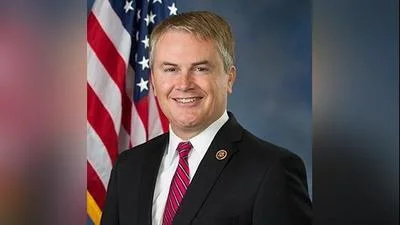
Chairman Brett Guthrie (KY-02) commented on the new legislation’s significance in reducing prescription drug costs. “Over the past few years, this Committee has led on many legislative solutions which work to continue delivering affordable and high-quality health care for the American people and crack down on predatory practices of PBMs. I was pleased to see those solutions signed into law by President Trump,” said Chairman Guthrie. “These policies increase transparency at the pharmacy counter and hold PBMs accountable, which will result in real savings for American patients. I am proud that this Committee has played such a crucial role in shaping a more affordable and transparent health care system. I am grateful to President Trump and my colleagues for their commitment to lowering the cost of care for all American patients.”
The reforms included in the legislation are designed to increase transparency around drug pricing, prevent rebate manipulation, and protect both patients and independent pharmacies. One measure separates Medicare Part D drug prices from PBM compensation, instead instituting a flat fee model with requirements that rebates go directly to plan sponsors. Another provision ensures Medicare Part D plan sponsors must contract with any willing pharmacy rather than limiting options to those owned by insurance companies.
President Trump’s new health care agenda, The Great Healthcare Plan, highlights these changes as part of efforts to lower prescription drug prices.
The House Energy and Commerce Committee is one of the oldest standing committees in the U.S. House of Representatives, established in 1795 as the Committee on Commerce and Manufactures. It addresses issues related to energy, health care, environmental protection, telecommunications, consumer affairs, broadband expansion and pharmaceutical costs while overseeing federal agencies such as the Department of Energy and Department of Health and Human Services (https://energycommerce.house.gov/). Over time, it has influenced policy areas including energy innovation and pharmaceutical pricing (https://energycommerce.house.gov/), often advancing bipartisan initiatives on public health policies (https://energycommerce.house.gov/).