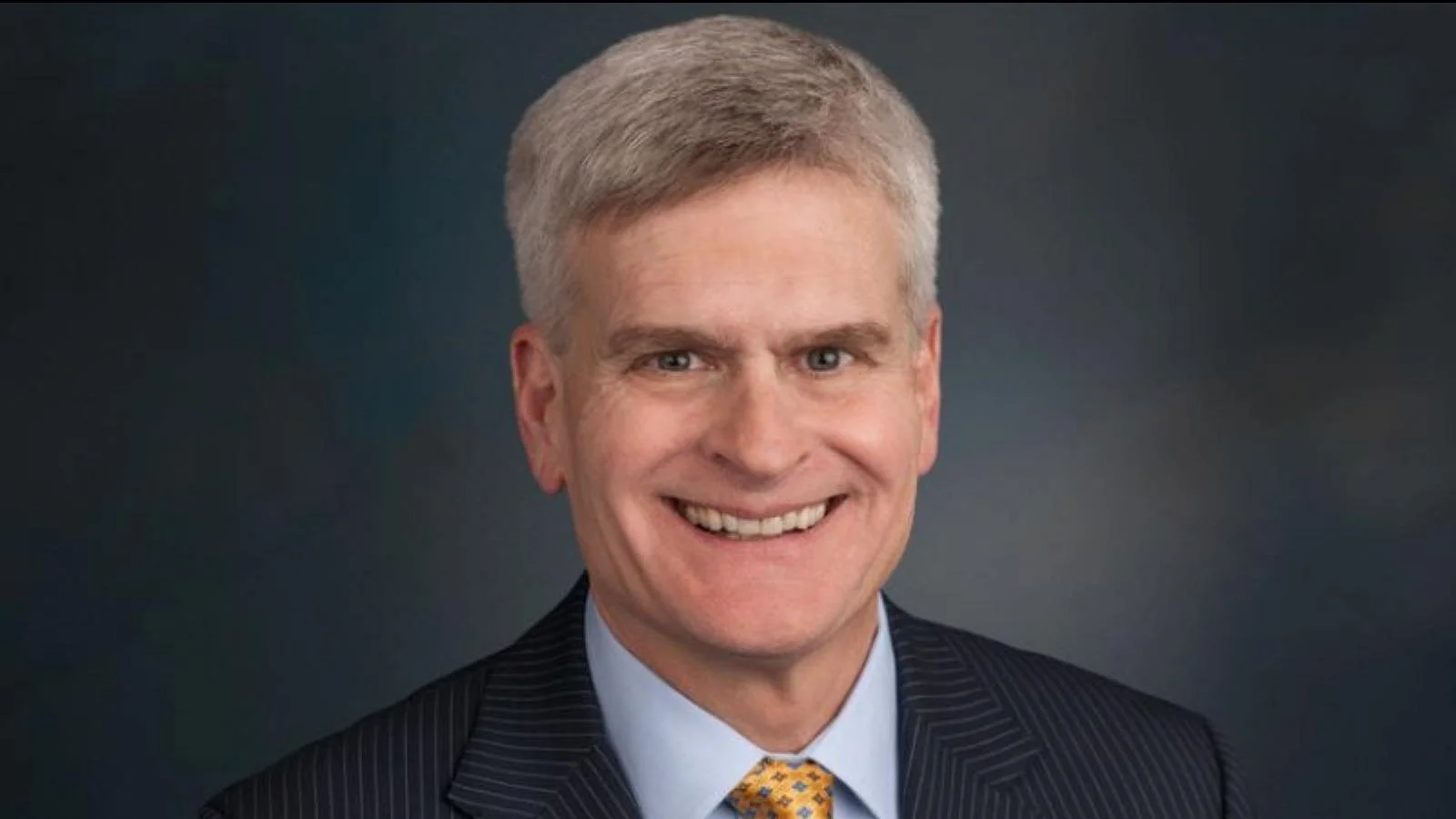
U.S. Senator Bill Cassidy, Chair of the Senate Health, Education, Labor, and Pensions (HELP) Committee, delivered remarks during a hearing focused on strengthening the American retirement system by examining the Railroad Retirement Board (RRB). The hearing was held in a bipartisan manner with witnesses selected collaboratively.
Cassidy opened his remarks by emphasizing the bipartisan nature of the session and thanking Senator Sanders for his involvement. He stated, "Nearly every American wants to retire, for as many reasons as there are Americans. We want to retire so bad that we agree to have money taken out of our paychecks and put aside so one day we can retire. So, if we are already paying for it, why can’t we afford it?"
He expressed his commitment as committee chair to making retirement attainable for all Americans. Cassidy mentioned ongoing legislative efforts with Senator Tim Kaine but noted that more work remains.
Highlighting the effectiveness of the RRB, Cassidy said, "The Railroad Retirement Board (RRB) works. It’s truly solvent, successfully providing a wide range of benefits to rail workers and their families, including retirement, survivor, disability, unemployment, sickness, and vested dual benefits." He pointed out that reforms in 2001 established a trust fund managed under fiduciary standards similar to private sector pension plans. This move aimed to ensure investments served beneficiaries' interests.
Cassidy recalled that this reform had broad bipartisan support at the time: "Every Democrat in the Senate voted for it. And many of my colleagues who voted for it in 2001 are still in Congress today; Senators Susan Collins, Mike Crapo, Dick Durbin, Chuck Grassley, Lisa Murkowski, Patty Murray, Jack Reed, Chuck Schumer, Mark Warner, and Ron Wyden. And I will admit, the few that opposed it are all Republicans."
He also emphasized congressional collaboration with employers and unions regarding RRB oversight: "This is an agency supported by Congress, employers, unions, and workers."
According to Cassidy's statement during the hearing: "As of September 2024, the RRB trust held $28.6 billion in assets compared with $27.6 billion in liabilities." These results allowed Congress to lower payroll taxes on employers while offering a lower retirement age than Social Security without compromising program solvency.
Cassidy described the RRB trust fund as being modeled after corporate pension investment funds and predicted continued stability: "The Railroad Retirement Board’s trust fund is predicted to continue running smoothly and solvently for another 75 years. It’s the gold standard for sustainability."
He concluded by urging policymakers to apply lessons from successful programs like RRB across broader retirement policy: "Let’s apply the lessons from the Railroad Retirement Board to one more time come up with a retirement system that works for employers, unions, the ununionized, and workers."
The HELP Committee oversees federal laws related to health and labor issues across sectors such as public health and education according to its official website. The committee also influences federal regulations affecting these areas nationwide and provides oversight of agencies like FDA and NIH. In this session of Congress—known as the 119th—Bill Cassidy serves as chair of this key legislative body.
###