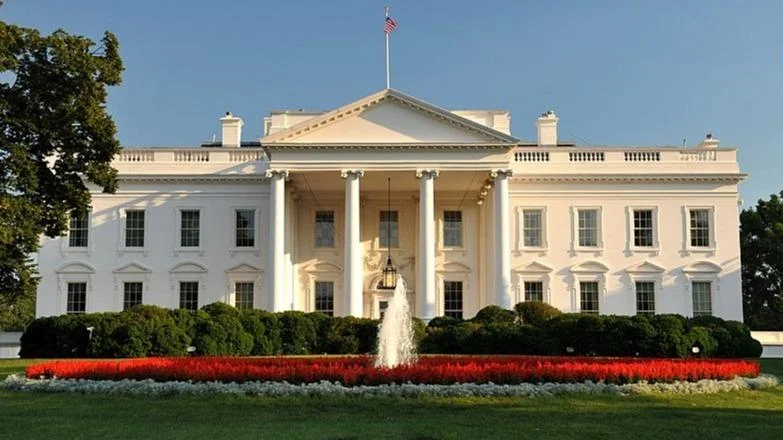
The White House has issued a new executive order outlining policies to strengthen national security and protect U.S. citizens from criminal actors, including foreign nationals with criminal histories who have entered or remained in the country in violation of immigration laws.
According to the order, it is the policy of the United States to work with trusted foreign governments by sharing information about convicted felons for border security and immigration purposes. The Department of Homeland Security (DHS) will continue its responsibilities in interdicting illegal entry, preventing dangerous goods and firearms from entering the country, and addressing threats such as terrorists, drug smugglers, and human traffickers.
The order directs the Attorney General to provide DHS with access to criminal history record information (CHRI) maintained by the Department of Justice for use in screening and vetting processes. It also allows the Secretary of Homeland Security to exchange CHRI with border security and immigration authorities in Visa Waiver Program countries, nations that have agreements on preventing serious crime with the United States, and other trusted allies. These exchanges must be reciprocal and take place under agreements that protect privacy according to applicable law.
"Any exchange of CHRI by the Secretary of Homeland Security with foreign countries shall be on the basis of reciprocity and under a bilateral or multilateral agreement or arrangement entered into by DHS that contains appropriate safeguards to protect the privacy of United States persons and other individuals consistent with applicable law," states the order.
The executive order clarifies that it does not change existing legal authorities or affect budgetary functions managed by other federal offices. It specifies that implementation depends on available funding and does not create enforceable rights for any party against the government.
Publication costs associated with this order will be covered by DHS.