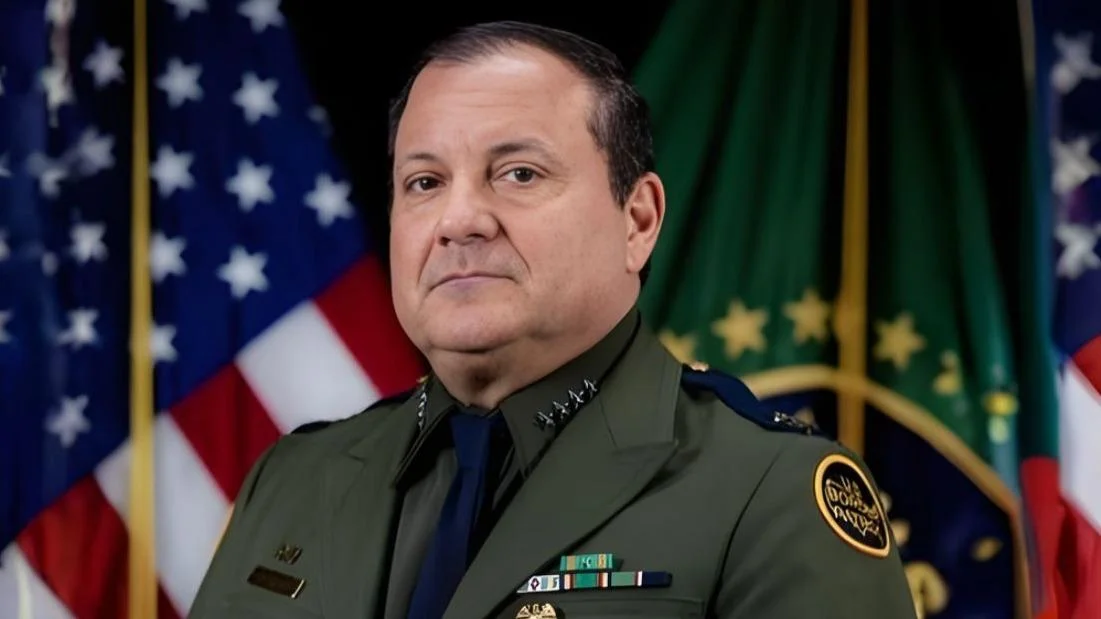
Chief Michael W. Banks, a U.S. Border Patrol official, used his social media account in early February 2026 to share updates on law enforcement activities at the southern border and express support for agents under his command.
On February 5, 2026, Banks wrote: "Zero tolerance for violence against law enforcement! During Operation At Large, Border Patrol Agents in Los Angeles apprehended an illegal alien from El Salvador who attempted to flee and assaulted agents, including attempting to bite officers.
We remain committed to upholding https://t.co/0QgCMQlwck"
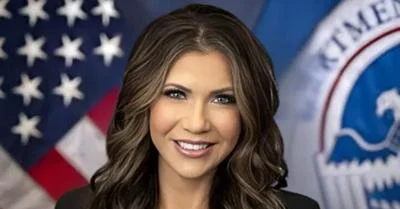
Later that day, he reported on a visit with South Dakota Governor Kristi Noem and CBP Commissioner Rodney Scott to meet with agents in Arizona: "As @Sec_Noem and I continue our border sector visits, we met with Tucson Sector agents to personally thank them for their service and commitment to our nation. The visit concluded with a press conference at the border, joined by @CBPCommissioner Rodney Scott, highlighting the https://t.co/Nn5RnyyrjY" (February 5, 2026).
The following morning, Banks highlighted another incident involving drug interdiction efforts near El Paso: "Border Patrol Agents in the El Paso Sector successfully intercepted a high-speed vehicle fleeing the HWY 54 checkpoint, leading to the arrest of the driver and the seizure of more than 416 lbs. of marijuana. This event demonstrates our ongoing commitment to stop drug trafficking https://t.co/4skccdl4Bo" (February 6, 2026).
These posts reflect recent trends along portions of the U.S.-Mexico border where federal authorities have increased public communications about law enforcement actions involving immigration violations and narcotics seizures. The collaboration between local leadership such as state governors and federal officials has been part of broader efforts aimed at supporting frontline personnel.