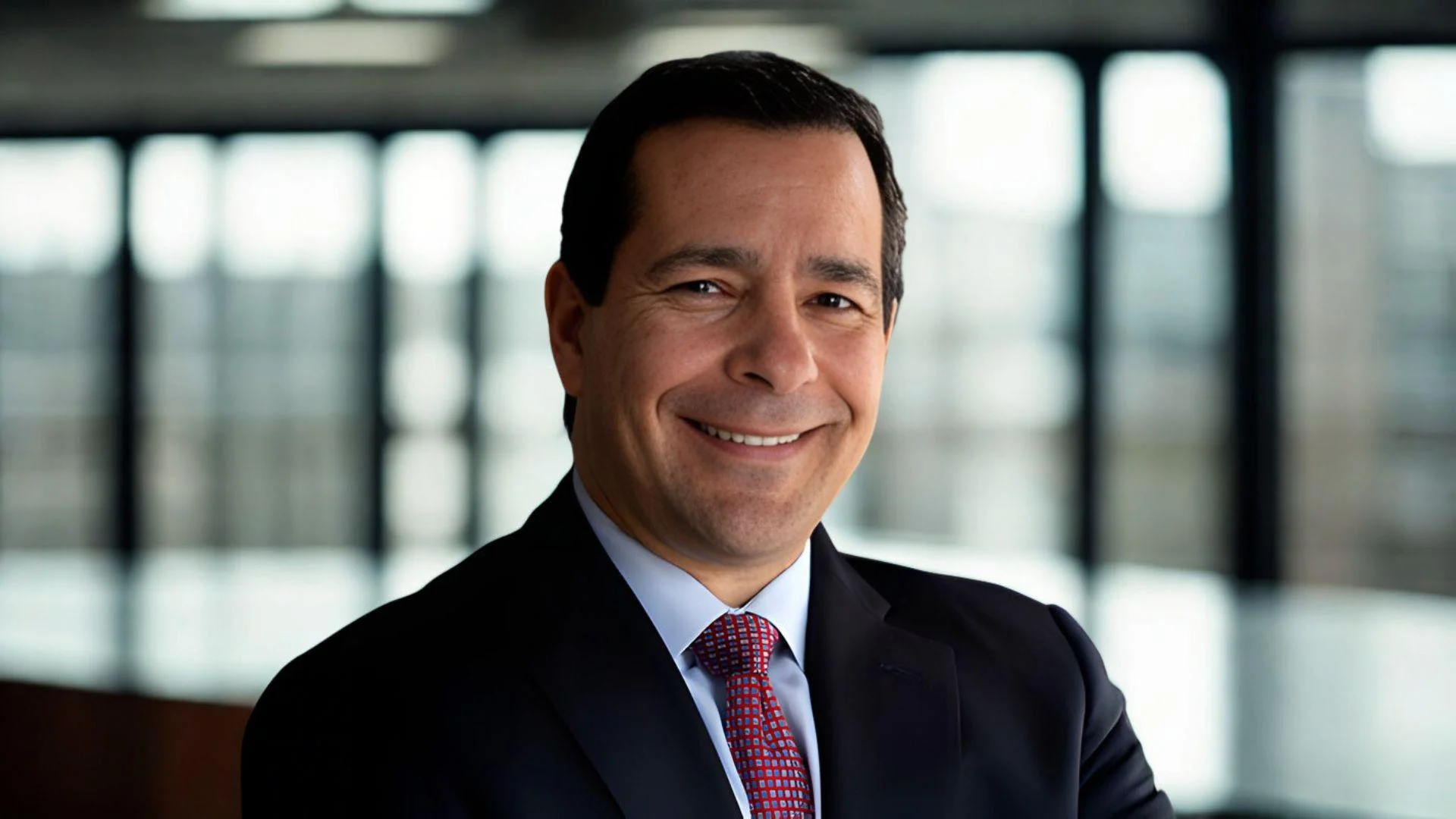
William Evanina, former director of the National Counterintelligence and Security Center (NCSC), said Ford Motor Co.’s dealings with Chinese companies raise concerns about foreign influence, pointing to the automaker’s long-running relationship with battery maker Contemporary Amperex Technology Co., Limited (CATL) as an example that warrants closer scrutiny.
"Not a surprise. This is what Ford MC does in support of CCP CUV/MIL industries," said Evanina. "Malign influence is real. Look at history in the past 10 years (CATL) Need a deep dive on BOD. Eyes wide open."
The issue has drawn attention as Ford pursues joint ventures with Chinese companies such as CATL and Xiaomi. According to Evanina's post on X, he said, "Not a surprise. This is what Ford MC does in support of CCP CUV/MIL industries (...) Malign influence is real (...) Look at history in the past 10 years (CATL) (...) Need a deep dive on BOD. Eyes wide open." According to Evanina, these comments were made in response to updates from the Select Committee on China regarding Ford's reported pursuit of a joint venture with Xiaomi and reflect ongoing concerns about board oversight in such partnerships.
The Michigan-China Economic and Security Review Group also raised alarms over Ford's collaboration with CATL for its Marshall battery plant project. The group warned that this $3.5 billion initiative could expose Michigan to risks associated with Chinese military connections, noting that local officials have scrutinized potential security vulnerabilities linked to the use of CATL technology. As outlined in their announcement, the partnership could impact Michigan's economic landscape while raising national security questions.
Further concerns emerged after CATL was added to the Pentagon's list of Chinese military companies. Michigan Republicans voiced opposition to the Ford-CATL electric vehicle battery plant in Calhoun County following this designation. The Marshall facility involves licensing technology from CATL for lithium iron phosphate batteries and aims to create 1,700 jobs, but faces challenges due to these designations. The U.S. Department of Defense cited CATL's contributions to China's military-civil fusion strategy when adding it to its blacklist, following requests from congressional leaders who highlighted ties between CATL and the People's Liberation Army.
Evanina served as Director of the National Counterintelligence and Security Center from 2014 to 2021, overseeing U.S. counterintelligence efforts before founding The Evanina Group after his government service. In his recent remarks on social media, Evanina reiterated his call for increased vigilance regarding board oversight at companies engaging in partnerships with entities like CATL.