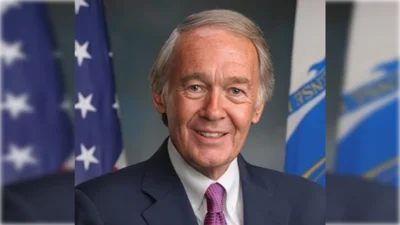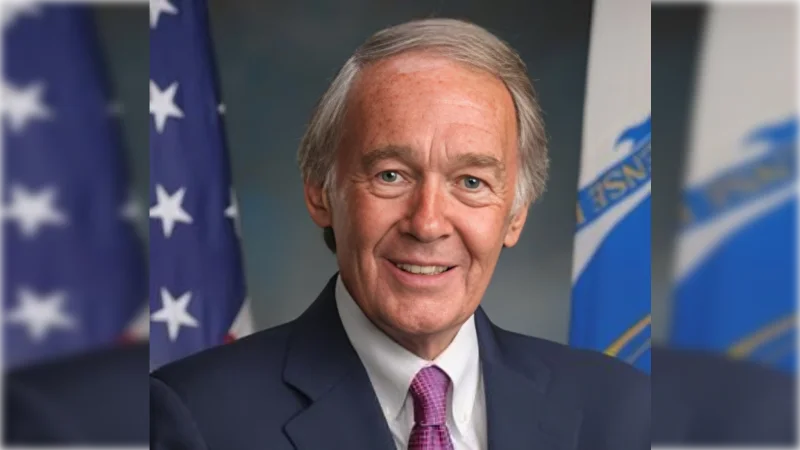
Ranking Member Edward J. Markey (D-Mass.) held a hearing in Roxbury, Massachusetts, focusing on how entrepreneurship can help reduce the racial wealth gap. The event, titled “The Role of Entrepreneurship in Reducing the Racial Wealth Gap,” took place at Roxbury Community College and brought together leaders from minority entrepreneurship organizations.
Participants included Mechalle Brown, director of the 7uice Foundation and mother of Boston Celtics player Jaylen Brown; Lauren Holiday, founder of the JLH Social Impact Fund; Renee King, CEO of We Are The Funders; Keith Mahoney from The Boston Foundation; Nicole Obi, President & CEO of the Black Economic Council of Massachusetts (BECMA); and Kareem Hill, President of BDC Community Capital Corporation.
Witnesses discussed challenges faced by minority entrepreneurs and highlighted the need for both government and private sector support to improve access to resources. They also voiced support for Ranking Member Markey’s SPARK Act, which aims to strengthen community-based efforts to grow small businesses in underserved areas.
“It is our responsibility to support efforts to rectify historical injustices and offer real opportunities to minority entrepreneurs. We are not agonizing, but organizing to do the right things and to speak out against the wrong things,” said Ranking Member Markey. “We will not go backwards. We must reimagine a brighter and more inclusive future for all—one where we actually close the racial wealth gap.”
Mechalle Brown emphasized: “Founders need mentorship. They need access to capital. They need partners who understand the barriers they’re facing and can help them navigate... Senator Markey’s SPARK Act is about changing that.”
Lauren Holiday added: “Traditional employment is disappearing... But survival without support leads to failure. Senator Markey’s SPARK Act recognizes that if we want entrepreneurship to be a viable path for everyone... we have to invest in the institutions that can provide that support at scale.”
Renee King stated: “If we want an economy that actually works... we have to resource the institutions that can mobilize all communities into ownership, not just some... Senator Markey’s SPARK Act is about stopping that loss and building the infrastructure this moment demands.”
Keith Mahoney commented: “The Boston Foundation stands ready to continue this work—and to partner with policymakers who understand that economic justice is not optional infrastructure. It is essential... This is why we are especially excited for Senator Markey’s SPARK Act legislation.”
Nicole Obi noted: “In Massachusetts, we have seen how fragile progress becomes when ecosystem funding is short-term or disconnected from local realities. The SPARK Act offers a durable national framework... Senator Markey’s leadership on this legislation sends a clear message: minority entrepreneurs are not a niche concern.”
Kareem Hill said: “BDC Community Capital supports Senator Markey’s SPARK Act because the bill would allow us to expand our investments in underserved entrepreneurs... I truly believe collaboration between public, private, and philanthropic partners is the only sustainable way to close the racial wealth gap.”
Markey has also taken several actions over recent months related to supporting underserved small businesses and opposing federal moves he sees as undermining equity programs.
The Senate Small Business and Entrepreneurship Committee plays an important role in shaping national fiscal priorities by providing Congress with policy options on federal budget components and contributing nonpartisan analysis through oversight functions such as those involving the Congressional Budget Office (official website). Established through legislation in 1974, it supports informed decision-making on budget matters affecting small business development (official website).