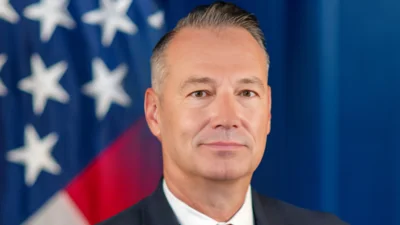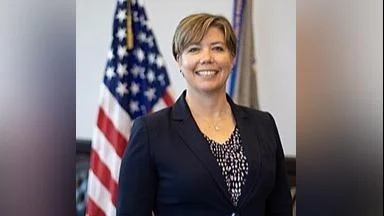
Rebecca C. Lutzko United States Attorney for the Northern District of Ohio | U.S. Attorney for the Northern District of Ohio
As Valentine’s Day approaches, the U.S. Attorney’s Office for the Northern District of Ohio is cautioning the public about an increase in romance scams that exploit online relationships. These scams are known to cause significant financial losses each year and often involve organized criminal groups, including international fraud rings.
According to authorities, scammers use dating websites, social media platforms, and messaging apps to pose as romantic interests. They build trust over time before asking victims for money under false pretenses such as emergencies, travel expenses, investment opportunities, or medical crises.
“Romance scammers are not looking for love—they are looking for money,” said United States Attorney David M. Toepfer for the Northern District of Ohio. “They prey on trust and emotion and often target older Americans and vulnerable individuals. We urge everyone to slow down, verify identities, and never send money to someone they have not met in person.”
The office outlined common tactics used by scammers: creating fake profiles with stolen photos; claiming to work overseas in roles like military or international business; quickly expressing deep affection; and shifting conversations from public platforms to private messaging apps.
Warning signs include early declarations of strong feelings, refusal or excuses not to meet in person, repeated financial emergencies requiring help, requests for payment through gift cards or cryptocurrency, inconsistent stories or poor grammar compared to their claimed background, and asking victims to receive or forward funds—sometimes turning them into unwitting “money mules.”
To protect against these schemes, officials recommend never sending money or cryptocurrency to anyone you haven’t met face-to-face; conducting reverse image searches on profile pictures; consulting trusted friends or family before sending funds; and reporting suspicious activity immediately.
Victims are advised to stop communication with suspected scammers without deleting any evidence. They should save all correspondence and financial records and contact their bank right away. Reports can be filed with the FBI’s Internet Crime Complaint Center at www.ic3.gov or by contacting local law enforcement.
Recent cases in Northern Ohio include a Ghanaian national charged with operating romance scams that took more than $8 million from elderly victims and an Ohio woman who lost her life savings in a cryptocurrency investment scam.
The Department of Justice continues efforts with both domestic and international partners to investigate these crimes and prosecute those responsible.
Older adults affected by romance scams can call the National Elder Fraud Hotline at 1-833-372-8311 daily between 10 a.m. and 6 p.m., where staff provide guidance on making reports that may help recover losses if done promptly. More information is available at https://ovc.ojp.gov/program/stop-elder-fraud/providing-help-restoring-hope.