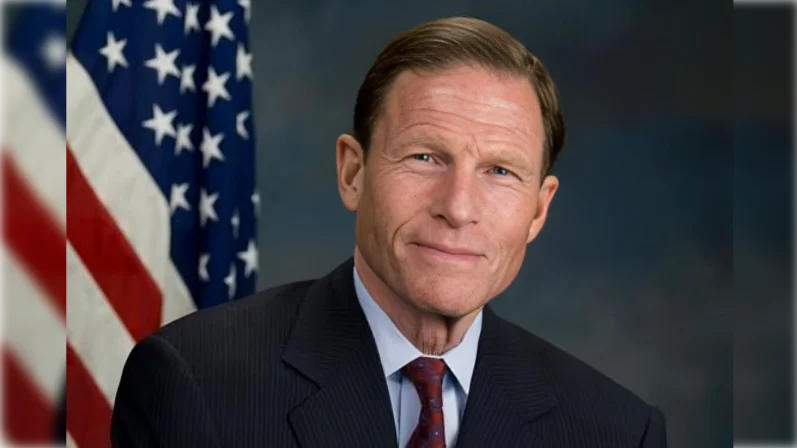
At a Senate Veterans’ Affairs Committee hearing, Ranking Member Richard Blumenthal (D-CT) raised concerns about the rapid rise in costs associated with the Department of Veterans Affairs (VA) community care program. Community care is provided when the VA cannot deliver health services to veterans in a timely or accessible way.
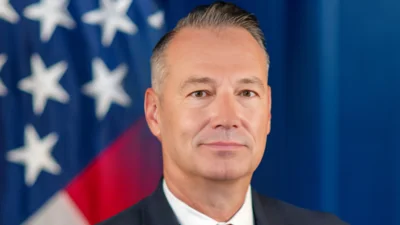
Blumenthal questioned VA Chief Financial Officer Richard Topping about the significant increase in funding for community care. “Since 2019, the funding for the VA community care program has increased from $9 billion to more than $48 billion in the VA fiscal year 2026 request. That’s an increase of 530%. That’s a staggering increase, wouldn’t you agree?” Topping agreed it was significant. Blumenthal added: “Over that same period, funding for VA direct care has increased by far less, about 200%...Why the disparity?”
He further pressed Topping to explain why spending on community care is rising much faster than the number of veterans using these services. When Topping could not provide an answer, Blumenthal said: “…[W]e need to answer those types of questions. You don’t have answers right now. You say that the program isn’t designed to provide those kinds of answers, but anyone running a health care program would say we really ought to be answering those questions, wouldn’t you agree?”
Blumenthal also emphasized that community care providers should meet the same quality and training standards as VA doctors: “Shouldn’t [community care providers] be absolutely required to meet the same standards of quality of training and efficiency and all of the criteria that a veteran going to a VA facility has a right to expect?”
In December, Blumenthal and other Senate Democrats introduced legislation called the Honor Act. This bill seeks reforms in VA health care and includes measures requiring community care providers to meet training and quality standards equal to those expected within VA facilities.
During his opening statement at the hearing, Blumenthal highlighted concerns about how expanding community care contracts—expected to total around one trillion dollars by 2027—could affect direct patient services at VA facilities if not properly overseen.
He stated: “We are here to discuss VA’s next generation of community care contracts, which will total about a trillion dollars. To be live, as I understand it, in 2027, which gives us time to assess what the needs are for community care on contracts that will be indefinite delivery and indefinite quantity. Which is kind of scary when you think of all the indefinites there and it emphasizes the need for strong oversight on the part of Congress and the Inspector General of the VA.”
Blumenthal argued for prioritizing resources toward expanding access at existing facilities and increasing staff levels within direct VA health services: “My feeling is that the VA has to prioritize resources for expanding access to direct care by adding and expanding existing facilities, increasing staff to reduce wait times, and supporting the VA’s gap services such as telehealth, emergent, and urgent care capabilities.”
He recognized that while community-based options are important supplements for veterans' healthcare needs—especially when timely or local access through traditional channels falls short—they should not replace core services delivered directly by trained staff at dedicated VA sites.
Blumenthal also noted issues with information sharing between Congress and department officials regarding oversight requests: “So first and foremost, we need access to information…There has been no response so far…It is essential to judgements that will be made about community care as well as about direct VA care.”
The Senate Veterans' Affairs Committee plays an important role in improving access to health services for veterans while overseeing programs designed both nationally and locally https://www.veterans.senate.gov/. The committee works closely with entities like the Department of Veterans Affairs https://www.veterans.senate.gov/.
Accordingly, Blumenthal concluded his remarks stressing two-way communication between officials and veterans themselves: “In short, information and communication must be a two-way street…And I know they expect straight answers…to questions that are raised in Committee hearings…”
The committee continues its oversight efforts from offices located within the U.S. Capitol complex https://www.veterans.senate.gov/, underlining its longstanding jurisdiction over veterans’ benefits since its establishment in 1970 https://www.veterans.senate.gov/.