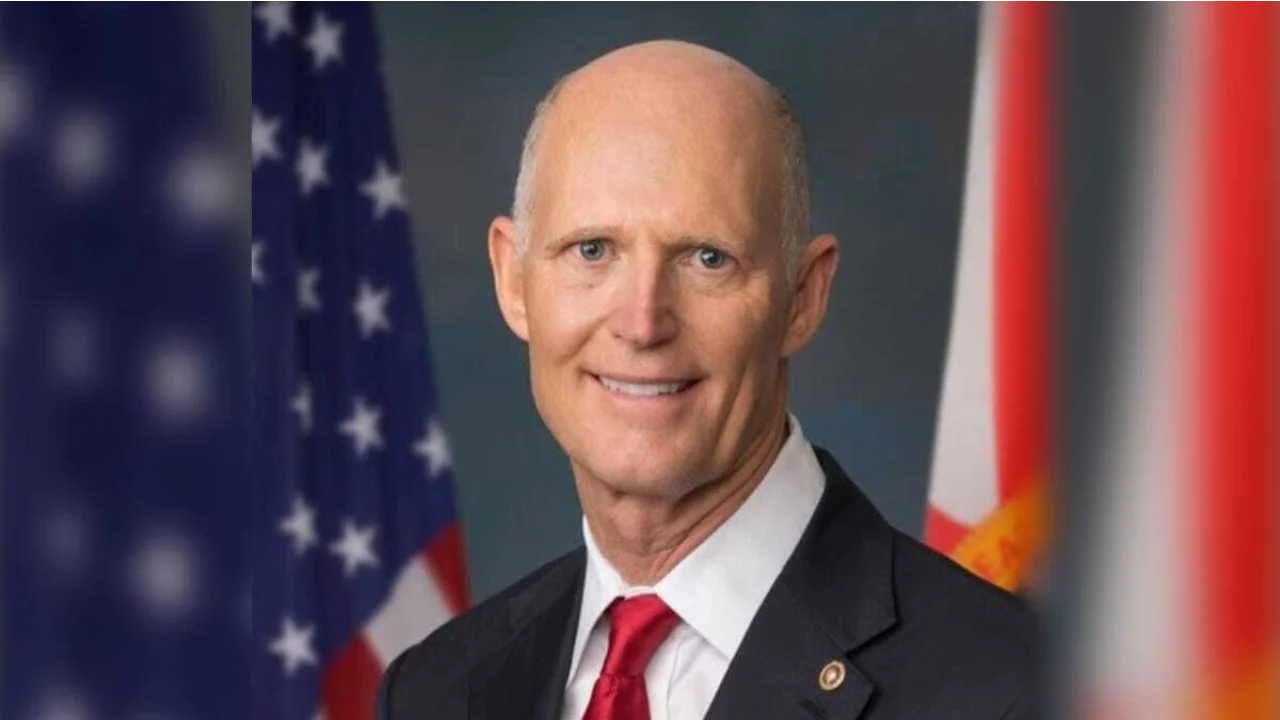
Chairman Rick Scott of the U.S. Senate Special Committee on Aging will hold a hearing on February 26, 2026, to examine how Food and Drug Administration (FDA) regulatory processes may delay access to therapies for patients, especially those with rare diseases. The hearing, titled “From Regulator to Roadblock: How FDA Bureaucracy Stifles Innovation,” will include testimony from committee members and expert witnesses about the effects of these delays on patients and their families.
The session will also consider ways to improve regulatory clarity and predictability at the FDA. Discussions are expected to address how an efficient review process that prioritizes patient needs could help strengthen U.S. biomedical leadership and speed up delivery of lifesaving treatments.
This upcoming hearing follows a letter sent in November 2025 by the committee to FDA Commissioner Dr. Martin Makary, seeking information about how the agency is supporting innovation in rare disease drug development and working to increase both the speed and number of approvals for such drugs.
Chairman Scott stated his commitment to ensuring that “the FDA fulfills its mission to protect patients while fostering innovation and maintaining America’s leadership in biomedical research.”
The Senate Aging Committee regularly conducts hearings like this one as part of its broader oversight responsibilities over federal programs related to aging Americans, including Medicare, Social Security, elder abuse prevention, long-term care, retirement security, and other issues affecting older adults. More details about the committee’s work can be found on its official website.
The hearing will take place at 9:30AM ET in room SH-216 of the Hart Senate Office Building. A live broadcast will be available online.
Members of the public—including patient organizations, researchers, and stakeholders—are invited by Chairman Scott to submit statements for the record via email at RareDiseaseStatements@Aging.Senate.Gov by March 5, 2026. Submissions should not contain personal identifying information.
Rick Scott currently serves as chair of the Senate Aging Committee; Kirsten Gillibrand is ranking member. The committee maintains offices in both Dirksen (majority) and Hart (minority) Senate Office Buildings (source). Its oversight extends nationwide across all Americans participating in aging-related federal programs (source). In addition to fraud prevention resources such as a hotline for older Americans (source), it issues policy recommendations through regular hearings (source).