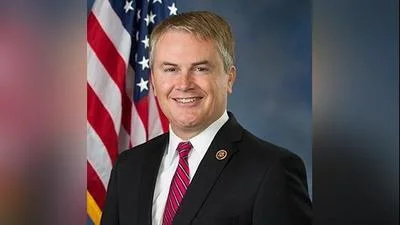
Rep. Glenn Grothman (R-WI) addressed a field hearing in Wisconsin focused on disability employment and the role of section 14(c) of the Fair Labor Standards Act. The hearing, titled "Work, Dignity, and Choice in Disability Employment," explored how this provision affects workers with disabilities.
Grothman stated, "Today’s hearing examines the benefits, opportunities, and impact that section 14(c) of the Fair Labor Standards Act provides to workers with disabilities."
He emphasized the importance of work for people with disabilities, saying, "Work is not a dirty word. It is an opportunity for individuals to receive not only income, but dignity, purpose, and community engagement through their employment. Thanks to section 14(c), individuals with disabilities are able to enjoy many of these benefits by having greater opportunities to join the workforce."
Section 14(c) allows certain businesses and nonprofit organizations to employ people with severe disabilities at wages commensurate with their productivity. Grothman noted that most organizations operating under a 14(c) certificate are community rehabilitation programs (CRPs). He explained that these CRPs provide more than just jobs; they also offer rehabilitation services, training, skill development, and social interaction—elements he described as vital for people with disabilities.
According to Grothman, over 40 employers in Wisconsin participate as 14(c) organizations. He said many have indicated they would be forced to close without this provision: "I have been told by many of these organizations that, without section 14(c), they would likely be forced to lay off all employees and close their doors permanently." He added that these facilities support personal growth for individuals with disabilities.
Grothman also discussed the goal for many workers in these programs: "In many cases, the goal for 14(c) workers is to receive these important skills, reach their full potential, and eventually transition to competitive integrated employment, where they can work full-time or part-time and receive wages and opportunities for advancement. Section 14(c) may serve as many people’s only option to be a part of the workforce, but it can also serve as an important first step toward even greater opportunities."
The congressman criticized efforts to eliminate section 14(c), referencing actions by federal agencies: "Critics of 14(c) call for its removal entirely. In fact, the U.S. Department of Labor under President Biden attempted to phase out participation for employers operating under a 14(c) certificate. This attempt by the Biden administration was clear government overreach, plain and simple. Fortunately, that proposed rule was withdrawn by the Trump administration last July."
He continued: "There are even Members on the Education and Workforce Committee actively fighting to see section 14(c) erased. What they do not seem to understand is that erasing 14(c) would erase people’s jobs and would take away the community and friends that they love, and if they were able to get another job, those employers would be unable to provide the community, services, and dignity afforded to their workers with disabilities under 14(c)."
Grothman said witnesses at the hearing would share experiences related to working in or supporting section 14(c) programs: "Witnesses today will discuss the importance of having continued access to 14(c) opportunities. They are here to advocate for workers, to represent 14(c) employers, and to share their personal experiences with loved ones who found opportunities through the program."
He concluded: "Today’s hearing will highlight how section 14(c) works and will show that it provides opportunities for growth, stability, and social well-being for the people that need it most."
The House Education and Workforce Committee oversees federal programs dealing with education policy as well as labor issues such as worker protections (https://edworkforce.house.gov/). The committee manages initiatives related to health care programs and workforce training while monitoring relevant government bodies (https://edworkforce.house.gov/). It also advances legislative priorities affecting students’ educational options and vocational programs (https://edworkforce.house.gov/).