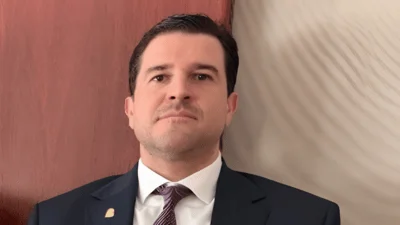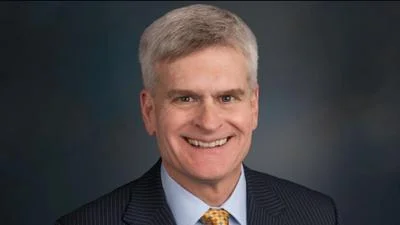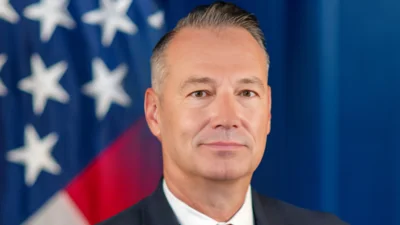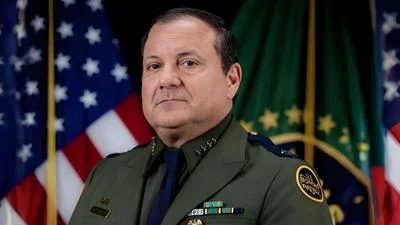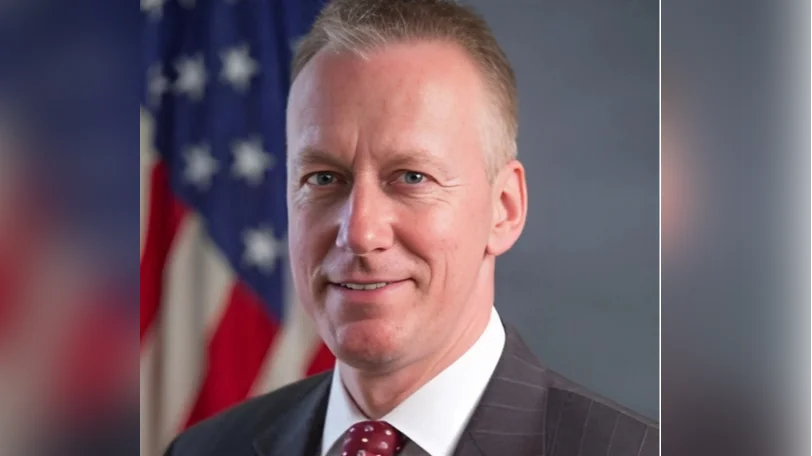
A California man has been sentenced to 19 years in federal prison for his role in a multi-state drug trafficking and money laundering conspiracy. Joathan Colula, 33, was found guilty by a jury on July 17, 2025, after a nine-day trial. He received a sentence of 228 months in prison on February 10, 2026. Following his release from prison, Colula will be under supervised release for an additional five years.
Court documents indicate that Colula supplied drugs to an organization with distribution hubs across the Midwest, including Milwaukee, Minneapolis/St. Paul, the greater Chicago area, and Northern Indiana. The group distributed large quantities of cocaine, fentanyl pills, and methamphetamine. Authorities said Colula laundered proceeds from drug sales through business bank accounts and coordinated the movement of cash payments from the Midwest to California.
On November 29, 2022, law enforcement arrested fifteen individuals linked to the organization and executed search warrants at multiple locations in Wisconsin, Minnesota, Illinois, and California. These actions led to the seizure of significant amounts of drugs—including over ten kilograms of fentanyl—and more than $450,000 in cash as well as firearms.
Chief United States District Judge Pamela Pepper described the case as involving a large-scale operation spanning several states and multiple types of drugs. She noted that Colula played an important role and was among the longest-involved members.
Michael Williams, another member convicted at trial alongside Colula in July 2025, managed the main stash site in Minneapolis where controlled substances were processed and packaged. Williams was sentenced to 240 months in prison for his involvement.
“Virtually everyone knows someone whose life has been utterly destroyed by the extraordinarily dangerous drugs that have inundated our communities of every shape and size,” said U.S. Attorney Schimel. “Modern day drug traffickers have dramatically changed the very nature of our world with the violence, crime and death that follows in their wake. The judge sent the clear message that our community has had enough of the suffering wrought by these criminals.”
Milwaukee Police Chief Jeffrey Norman stated: "The Milwaukee Police Department (MPD) is proud of the role our officers played in this case and grateful for the dedication and hard work of everyone involved in this investigation. Drug traffickers bring great harm to our community and must be held accountable.” He added: “MPD values our collaboration with federal, state and local law enforcement partners in criminal cases like this to build a safer city for everyone to live, work and play.”
DEA Chicago Field Division Special Agent in Charge Todd Smith commented: “This sentence reflects the seriousness of the harm caused by large-scale drug trafficking operations and the meaningful accountability that follows.” He continued: “Through close coordination with the U.S. Attorney’s Office for the Eastern District of Wisconsin, the North Central High Intensity Drug Trafficking Area and our federal, state and local law enforcement partners, we dismantled a multi-state organization responsible for distributing dangerous drugs throughout the Midwest."
The investigation was conducted by agents from several agencies including the Drug Enforcement Administration; police departments from Milwaukee, West Allis, South Milwaukee; Wisconsin Department of Justice - Division of Criminal Investigation; Homeland Security Investigations; Internal Revenue Service; Apple Valley Police Department; with support from North Central High Intensity Drug Trafficking Area (HIDTA). Assistant United States Attorneys Elizabeth Monfils and Erica Lounsberry prosecuted.
The HIDTA program is run by Office of National Drug Control Policy (ONDCP) as a grant initiative aimed at supporting joint law enforcement efforts against drug trafficking organizations at local through international levels.