A bipartisan group of leaders from the House Transportation and Infrastructure Committee and the House Armed Services Committee has introduced new legislation aimed at improving aviation safety in response to the 2025 midair collision at Ronald Reagan Washington National Airport. The incident involved American Airlines Flight 5342 and a UH-60 Army Black Hawk helicopter, resulting in 67 fatalities.
The proposed Airspace Location and Enhanced Risk Transparency (ALERT) Act of 2026 addresses all 50 safety recommendations made by the National Transportation Safety Board (NTSB) following its investigation, which concluded on February 17, 2026. The bill seeks to provide a comprehensive legislative solution to enhance U.S. aviation safety by targeting several critical issues identified in the NTSB’s findings.
Key measures outlined in the ALERT Act include requirements for equipping civil fixed-wing aircraft and rotorcraft with collision mitigation, avoidance, and alerting technologies; improvements to helicopter route design and separation; prevention of near-miss incidents; addressing shortcomings in Federal Aviation Administration (FAA) safety culture; enhancing air traffic control training during high-traffic periods; strengthening DCA airspace safety; and repealing section 373(a) of the previous National Defense Authorization Act.
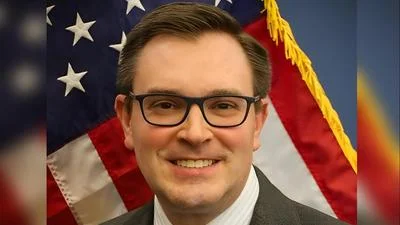
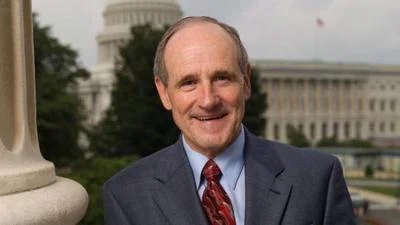
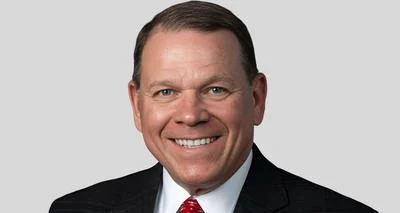
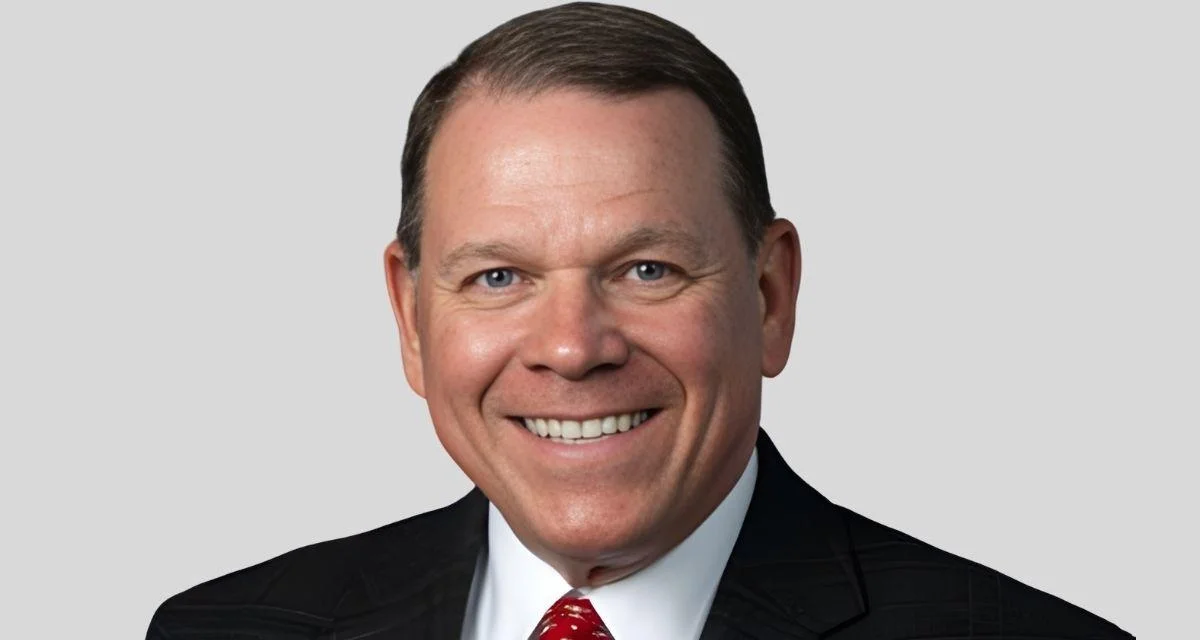
The bill is led by Chairman Sam Graves (R-MO), Ranking Member Rick Larsen (D-WA), Chairman Mike Rogers (R-AL), and Ranking Member Adam Smith (D-WA).
Graves stated, “The collision of American Airlines Flight 5342 with an Army Black Hawk helicopter in our nation’s capital was a terrible tragedy, and I will continue to pray for the families of the 67 victims. The NTSB provided a thorough investigation into all of the factors that caused this crash. As I have said from the beginning, the best way to serve and honor the victims and their families is by thoughtfully addressing the broad range of safety issues raised by the now-complete accident investigation, and that’s just what the ALERT Act does. This comprehensive bill will make our aviation system safer by directly addressing various factors that contributed to this accident. I want to thank T&I Ranking Member Larsen, Armed Services Chair Rogers, and Armed Services Ranking Member Smith for their partnership and leadership in drafting this important bill, and I look forward to moving it through the House to strengthen the safety of American aviation.”
Larsen added, “My condolences remain with the victims and families of the devastating DCA midair collision, and I appreciate the families’ strength and resilience for channeling their unimaginable grief into powerful advocacy. This horrific tragedy exposed critical vulnerabilities in the National Airspace System, and as Chair Homendy said in her recent testimony, ‘We cannot allow this to happen again. Every single one of the 50 safety recommendations we issued in response to the DCA catastrophe must be acted on immediately.’ The bipartisan ALERT Act delivers on Chair Homendy’s calls by taking steps to comprehensively address all 50 NTSB recommendations, improving airspace safety to protect travelers from future accidents, and repealing Section 373 of the FY2026 NDAA. I urge all my colleagues to support it.”
Rogers commented, “We have a responsibility to make our air space as safe as possible, and to prevent another tragedy like last year’s crash between a commercial aircraft and an Army helicopter. Rather than take a piecemeal approach, the Armed Services Committee worked closely with our counterparts on T&I to craft comprehensive legislation that makes our skies safer for airline passengers and for the servicemembers who fly critical missions for our national security. The ALERT Act directly addresses the full range of recommendations made by the NTSB after a year-long investigation. I look forward to working with my colleagues to pass this bipartisan legislation and strengthen our air safety.”
Smith said: “Last year’s horrific collision between an American Airlines Flight and Army Black Hawk helicopter over the Potomac resulted in the avoidable deaths of 67 people. I send my condolences to the families and thank them for their advocacy in ensuring our airspace is safe and that a tragedy like this never happens again. I also commend the NTSB for their extensive, year-long investigation that revealed systemic failures and vulnerabilities that require congressional oversight and action. Since the release of the report, my T&I and HASC colleagues Chairman Graves, Ranking Member Larsen, and Chairman Rogers, and I have worked to develop the ALERT Act, which aims to deliver bipartisan and comprehensive legislation to address all of NTSB’s recommendations to make our skies safer for civilians and service members. This legislation further aims to honor of [sic]the lost souls [sic]and their grieving families [sic], all of whom remain in my thoughts [sic]and heart.”
Further details about both the text of The ALERT Act as well as a section-by-section summary are available online.