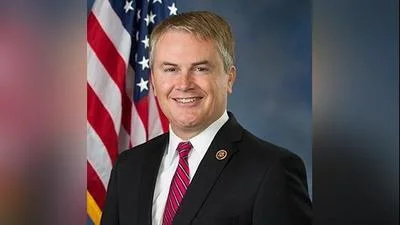
U.S. Senators Maria Cantwell, Ted Cruz, Lisa Blunt Rochester, Dan Sullivan, Brian Schatz, Jerry Moran, Jacky Rosen, and Tim Sheehy have introduced the Weather Research and Forecasting Innovation Reauthorization Act of 2026. The bipartisan bill aims to update programs at the National Oceanic and Atmospheric Administration (NOAA) to improve weather research and forecasting across the United States.
Senator Cantwell said, “After enduring floods, landslides, power outages, and road closures from December’s atmospheric rivers — and facing increasingly destructive wildfires and smoke impacts — Washingtonians know all too well that weather is getting more extreme. NOAA must have the support and resources to protect our communities with cutting-edge weather research and forecasting. From improving our hazardous weather alerts to building out our next generation of radar, this legislation will ensure our country’s weather system is at the forefront of accurate and timely weather forecasting, modeling, and prediction.”
Senator Cruz stated, “Texas is the most exposed state to severe weather in the nation. We saw the consequences firsthand last year when catastrophic flooding claimed more than 135 lives, including 27 campers and counselors at Camp Mystic. Giving Americans the most up-to-date radar information—and delivering it quickly, no matter where you are, no matter the time of day—is imperative. The Weather Research and Forecasting Innovation Reauthorization Act is a critical step toward ensuring that Texas and the nation are better prepared for severe weather.”
Senator Blunt Rochester added: “Delaware is the lowest-lying state in the nation, and we’re seeing more frequent and more severe weather as a result of our changing climate. It couldn’t be more important for us to properly invest in NOAA’s weather forecasting so Delawareans can prepare for whatever weather’s coming on the horizon. I’m grateful for the bipartisan coalition of colleagues on this bill, and I look forward to working together to get our Weather Act passed into law.”
According to Senator Sullivan: “Communities across the country, including in Alaska, are experiencing more frequent and severe natural disasters. Now more than ever, we must invest in advancing and strengthening our preparedness, response, and mitigation capabilities. The Weather Research and Forecasting Innovation Reauthorization Act reinforces our existing federal programs and bolsters NOAA’s necessary forecasting, warning, and hazard communication systems. It also incorporates several bills I have introduced or cosponsored including the Harmful Algal Bloom and Hypoxia Research and Control Amendments (HABHRCA) Act; the NOAA Weather Radio Act; the Fire Ready Nation Act; the Accelerating Networking, Cyberinfrastructure, and Hardware for Ocean Research (ANCHOR) Act; and the Tsunami Warning and Education Reauthorization Act which I am pleased to see advance through this legislation.”
Senator Schatz commented: “As severe weather in Hawai‘i and around the country becomes more damaging and frequent, having better forecasting can make all the difference in saving lives and livelihoods. Our bill will help improve forecasts and weather communications so that communities can better anticipate, prepare for, and respond to extreme weather.”
Senator Moran noted: “Kansans and Americans, particularly farmers and ranchers, rely on access to timely and reliable weather data every day. I’m pleased this bill incorporates part of my legislation, the FORECAST Act, to help make certain NWS offices remain staffed to provide lifesaving 24/7 weather forecasting to their communities.”
Senator Rosen said: “As extreme weather events like wildfires and droughts become more frequent and less predictable, it’s more important than ever that we invest in the latest technology and support critical programs at NOAA. This bipartisan legislation will improve forecasting ability, ensure our communities are aware of weather risks as quickly as possible, and support farmers and ranchers whose livelihoods depend on being prepared.”
Senator Sheehy remarked: “Extreme weather and wildfires cost us hundreds of billions of dollars in economic impact and harm countless Americans each year, yet our government response—particularly to wildfire—hasn’t changed in decades. The time is now to modernize our approach. I’m proud to support this commonsense legislation to upgrade critical infrastructure, improve forecasting, and better protect American families, homes, and businesses from catastrophic wildfire and extreme weather.”
The proposed act includes measures such as establishing an atmospheric river forecast improvement program; requiring NOAA to upgrade outdated radio technology; incorporating risks from atmospheric rivers into landslide preparedness planning; creating an official Fire Weather Services Program within NOAA; advancing drought monitoring technologies; maintaining support for emergency managers during hazardous events; updating tsunami warning programs; expanding tornado forecast goals; providing funding for advanced radar research; supporting agriculture with improved precipitation forecasts; authorizing automated station networks like National Mesonet Program; expanding commercial data partnerships with private sector sources for operational use by NOAA.
Supporters outside Congress include Janice Lachance of American Geophysical Union who said: “Communities across the country are already experiencing more extreme storms, flooding, drought, and heat—and the costs of inaction continue to rise. The Weather Act Reauthorization Act strengthens the nation’s weather enterprise so scientific advances move more quickly from the lab to forecasts, helping emergency managers, farmers, and families make informed decisions when it matters most. AGU strongly supports this bipartisan effort to ensure science continues to protect public safety, support economic stability, and build national resilience.”
Alan Sealls, president of the American Meteorological Society, added: “The American Meteorological Society strongly supports all efforts intended to improve the ability to save lives, protect property, and enhance economic opportunities. Investments in observing systems and the forecasting of environmental phenomena will further grow the value of weather and climate information to the U.S. economy, already exceeding $100 billion annually. A strong weather enterprise is essential to U.S. economic leadership.”
Professor Shuyi Chen at the University of Washington said: “This bill has the potential to greatly improve people’s lives on an everyday basis as it will lead to advances in many areas—from observations and modeling to warnings and decision support—to reduce loss of life and property from extreme weather. It also will accelerate innovations in uncrewed observations and artificial intelligence/machine learning-enabled forecasting by directing NOAA to coordinate across federal, academic, and private partners, as well as prioritize measurable forecast improvements for high-impact hazards including atmospheric rivers, coastal flooding and storm surge, and extreme heat.”
Jack Waldorf, executive director of Western Governors’ Association, commented: “Western Governors have long advocated for the improvement of forecasting abilities for weather and natural disasters, as evidenced by their efforts that led to the creation of the National Integrated Drought Information System. Western Governors are encouraged by several provisions within the Weather Act which enhance and reauthorize drought monitoring, fire weather and disaster forecasting, water quality maintenance, and soil moisture sensing. These programs are critical to enhancing the security and prosperity of the West's communities and economies. WGA applauds the efforts of Senator Maria Cantwell (D-WA) and Senator Ted Cruz (R-TX) to advance the Weather Act through Congress and encourages the full Senate to swiftly consider the legislation.”
The Senate Commerce, Science & Transportation Committee oversees legislative matters involving commerce, science, and transportation according to the official website. This committee operates under a chairman and includes members from both parties reviewing relevant legislation during congressional sessions here. Its main office is located in the Russell Senate Office Building in Washington, D.C., addressing policies related to interstate commerce, science, and transportation here.
This new bill builds on previous efforts by Senator Cantwell, including securing $3.3 billion for NOAA investments via recent federal legislation, enhancing readiness against climate change, and modernizing national infrastructure related to weather communication and emergency response.