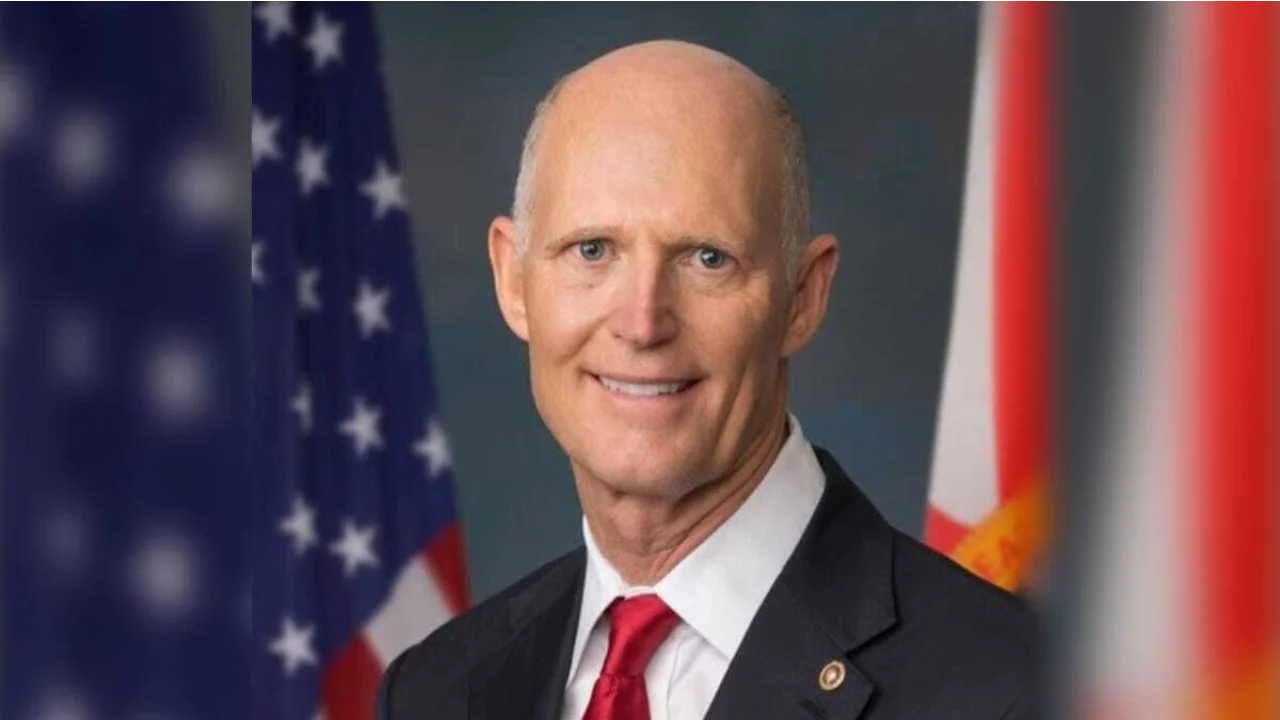
Senator Rick Scott, chairman of the U.S. Senate Special Committee on Aging, led a hearing titled “From Regulator to Roadblock: How FDA Bureaucracy Stifles Innovation.” The session focused on how regulatory processes and changing standards at the Food and Drug Administration (FDA) can unintentionally delay patient access to safe and effective therapies, especially for those with rare diseases. The committee also explored ways to improve regulatory clarity and predictability, emphasizing that a patient-centered review process could strengthen the United States’ leadership in biomedical research.
This hearing followed a bipartisan letter sent in November 2025 to FDA Commissioner Dr. Martin Makary. The letter expressed interest in understanding how the agency supports innovation in rare disease drug development and increases both the speed and number of approvals for these conditions. Senator Scott reiterated his commitment to ensuring that the FDA fulfills its mission to protect patients while encouraging innovation and maintaining U.S. leadership in biomedical research.
Witnesses invited by Senator Scott included Annie Kennedy, chief of mission at the EveryLife Foundation for Rare Diseases; Dr. Jeremy Schmahmann, director of the Ataxia Center at Massachusetts General Hospital; Bradley Campbell, president and CEO of Amicus Therapeutics; and Dr. Cara O'Neill, chief science officer and co-founder of Cure Sanfilippo Foundation. These witnesses discussed how regulatory obstacles impact patients and suggested ways federal agencies can help improve care and ensure life-saving therapies reach patients more quickly and safely.
Senator Scott stated: “The Senate Aging Committee provides resources to protect older Americans from fraud and financial exploitation via tools like a fraud hotline,” according to the official website (https://www.aging.senate.gov/).
He also noted: “The Senate Aging Committee maintains offices in the Dirksen Senate Office Building for the majority and the Hart Senate Office Building for the minority,” as detailed on their website (https://www.aging.senate.gov/).
Additionally, Senator Scott highlighted: “The Senate Aging Committee focuses on examining issues affecting older Americans, such as Social Security, Medicare, long-term care and retirement security, while conducting hearings and issuing reports,” according to information available online (https://www.aging.senate.gov/).
He further explained: “Rick Scott serves as chair and Kirsten Gillibrand as ranking member of the Senate Aging Committee,” based on details from their official site (https://www.aging.senate.gov/).
Scott emphasized: “The Senate Aging Committee's oversight extends nationwide, covering all Americans in aging-related federal programs,” referencing information from their website (https://www.aging.senate.gov/).
Finally, he added: “The Senate Aging Committee oversees federal programs including Medicare, Social Security and elder abuse prevention through regular hearings and policy recommendations,” as described by their official source (https://www.aging.senate.gov/).
Members of the public, patient organizations, researchers, and other interested parties are invited to submit written statements for inclusion in the official record of this hearing by March 5, 2026.