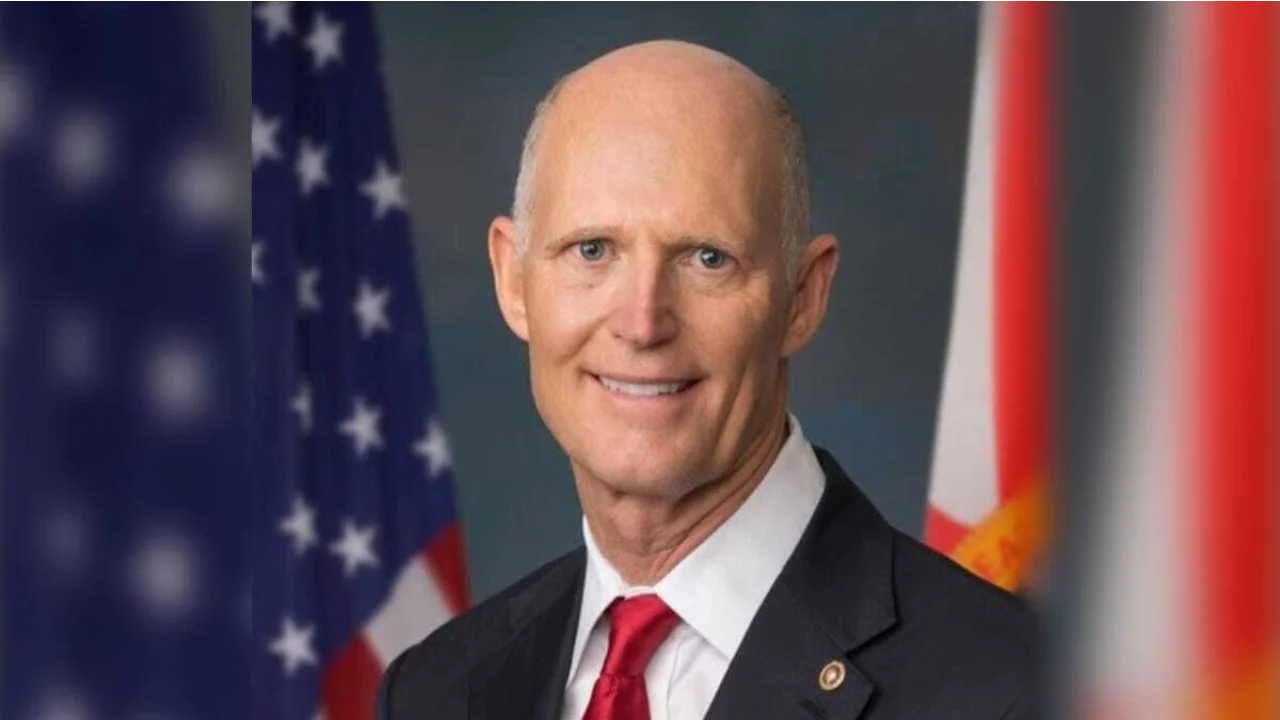
Chairman Rick Scott led a hearing of the Senate Special Committee on Aging focused on how regulatory processes at the Food and Drug Administration (FDA) may delay access to treatments for rare diseases. The hearing, titled “From Regulator to Roadblock: How FDA Bureaucracy Stifles Innovation,” addressed concerns that current FDA practices can unintentionally slow down patient access to therapies.
The committee’s interest in this issue follows a bipartisan letter sent in November 2025 to FDA Commissioner Dr. Martin Makary, seeking information about how the agency is supporting innovation in rare disease drug development and working to speed up approvals. Chairman Scott stated his commitment to ensuring that the FDA protects patients while also encouraging innovation and maintaining U.S. leadership in biomedical research.
Witnesses at the hearing included Annie Kennedy from the EveryLife Foundation for Rare Diseases, Dr. Jeremy Schmahmann of Massachusetts General Hospital Ataxia Center, Bradley Campbell of Amicus Therapeutics, and Dr. Cara O’Neill of the Cure Sanfilippo Foundation. They discussed how regulatory hurdles affect patients and suggested ways for the federal government and FDA to improve care by delivering therapies more efficiently.
Chairman Scott invited public statements from individuals, organizations, researchers, and stakeholders for inclusion in the official record if submitted by March 5, 2026.
In his prepared remarks, Chairman Scott said:
“The U.S. Senate Special Committee on Aging will now come to order.
Today, we are here to ask a simple but important question: Is the FDA doing everything Congress intended it to do to quickly get safe, effective treatments to patients with rare diseases who cannot afford to wait?
For more than 30 million Americans living with a rare disease, making sacrifices every day is just part of life. But something they cannot afford to give up is time.
Time means the ability to walk. Time means independence. Time means being able to speak, eat, or even recognize a loved one.
And too often, time is exactly what patients lose while therapies sit in regulatory limbo.
Growing up, I saw firsthand how a rare disease can affect a family. My family didn’t have health insurance, and my brother had a rare hip condition. My mom drove him 200 miles round-trip, just so he could get the care he needed.
She made that sacrifice because care couldn’t wait. My brother couldn’t afford to sacrifice time.
Congress has been clear. On an overwhelmingly bipartisan basis, we have given the FDA flexibility to move faster for patients with serious and life-threatening conditions.
In 2016, Congress passed the 21st Century Cures Act.
In that bill, and other bills that followed, Congress gave direction to the FDA and encouraged the use of real-world evidence, highlighting that rare disease drug development requires adaptability and urgency.
These laws were meant to help cut through bureaucratic delays and give patients access to the care and cures they so desperately need.
Yet here we are, almost 10 years later, hearing from patients, physicians, and drug developers that the system is not working as Congress intended.
I’ve heard from Commissioner Makary that he is working hard to fix longstanding problems at the FDA, and I want to thank him for the work he’s doing to try and make a strained system work better for patients.?
However, advocates here today will describe inconsistent review practices, shifting standards, and redundant, often-late-appearing data requests that, in many cases may not be driven by safety concerns but by an overly cautious and rigid approach that puts bureaucratic processes ahead of patients.
As we will hear, the human cost of this regulatory slow walking is real.
Many of the patients affected by these delays have NO OTHER treatment options.
Patients from every state come and talk to our offices sharing the irreversible declines in health that happen while they or someone they care about waits for a treatment that may never come.
It’s heartbreaking to hear from families who are left watching their loved ones deteriorate while promising therapies remain stuck in review.
Meanwhile small biotech companies struggle to survive years of uncertainty even when their science is sound.
Beyond individual patients there are serious national security consequences that come with the FDA’s inaction and delays.
Our adversaries have been accelerating their drug development and approval attracting investment talent and clinical trials
FDA inaction here at home creates an economic and national competitive issue
Let me be clear: this hearing is not about weakening safety standards Safety must ALWAYS come first
But safety and speed are not mutually exclusive A system CAN protect patients while still acting with urgency transparencyand common sense
Some of you may be asking whythe Senate Aging Committeeis tackling this issue when so manyof those impactedby issueswith rare diseasetreatmentsare young
Here’s why Partof caringfor America’s aging populationis making surethat more Americansare given opportunityto grow old
It may sound clichébut we are all aging And if somethingis standingin wayof younger Americanmakingit totheir senioryears That absolutely businessofthis committeeandsomethingwe needtotryandfix
It is my hope today’s hearingwill serveasuseful tooltohelpusunderstandwhatwe cando bringaccountability transparency efficiencyto process
We are joinedby incredible panelof witnessesheretodayrepresentingwide rangeof perspectivesbutallworkingtowardbetter futurefor peoplelivingwithrarediseases.”
The Senate Aging Committee oversees federal programs such as Medicare Social Security elder abuse prevention fraud protection resources long-term care retirement security policy recommendations hearings reports affecting older Americans nationwide according tothe official website. The committee operates out of offices inthe Dirksen Senate Office Building (majority)and Hart Senate Office Building (minority). Rick Scott serves as chair with Kirsten Gillibrand as ranking member.