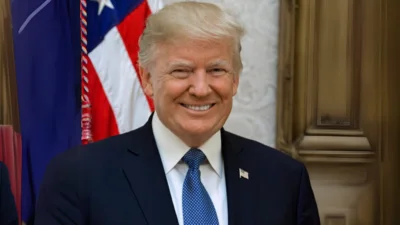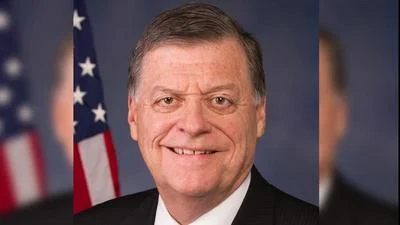
Senator Kevin Cramer (R-N.D.) led a Senate Environment and Public Works (EPW) Committee hearing to review a discussion draft of the Toxic Substances Control Act (TSCA) Fee Reauthorization and Improvement Act of 2026. The session focused on the Environmental Protection Agency’s (EPA) chemical review process, which Senator Cramer described as having significant limitations that affect public health, economic development, and national security.
In his opening statement, Senator Cramer explained the purpose of the draft legislation: “This morning, we will receive testimony on a legislative discussion draft titled, ‘the Toxic Substances Control Act Fee Reauthorization and Improvement Act of 2026.’ This discussion draft would make targeted reforms to the Toxic Substances Control Act, or TSCA, with a straightforward goal: to improve the Environmental Protection Agency’s new chemicals review process.”
He reflected on TSCA’s original intent: “Congress set a clear standard when TSCA was signed into law fifty years ago. The EPA was to carry out the law in a reasonable and prudent manner, taking into account environmental, economic and social impacts. That was the right standard then and remains the right standard today to guide our efforts to improve and implement these processes.”
Cramer noted that while Congress modernized TSCA ten years ago, he believes EPA implementation has since strayed from its intended direction. He said current practices are not "reasonable nor prudent" and often impose unnecessary restrictions even when new chemicals are approved.
Citing an example involving wastewater recycling rejected by EPA due to inflexible rules rather than safety concerns, Cramer argued this approach is counterproductive. He stated: “Rather than recycle its waste, that company was forced to burn water to comply with EPA's requirements. That is neither reasonable nor prudent.”
The senator highlighted consequences for U.S. industry competitiveness: companies delay or abandon safer alternatives domestically in favor of developing products abroad. He added that some businesses now avoid introducing innovations in the U.S., labeling them “non-TSCA.” According to him, this harms American jobs and competitiveness.
National security concerns were also raised regarding delays affecting domestic semiconductor manufacturing—an area dependent on specialty chemicals subject to lengthy EPA reviews. He remarked: “Bringing a single new chip-making chemical to market in the United States can require up to 15 years of testing and millions of dollars… By the time a company recoups that testing investment, the industry has already moved on.”
The proposed reforms would introduce more flexible review periods based on risk profiles and complexity. As stated by Senator Cramer: “Separate pathways are created so novel or higher-risk substances are carefully scrutinized, while familiar chemistries with established data can be approved more quickly.” The draft would also require clear expectations from EPA at each stage.
To support these changes financially, user fees for new chemical applicants would be reauthorized.
Senator Cramer summarized his position: “Taken together, the policies in the discussion draft build a system that protects public health, incentivizes innovation and benefits the environment by giving the EPA the resources, structure and direction to do its job well.” He expressed hope for bipartisan collaboration as work continues on final legislation.
The EPW Committee operates from its administrative base in the Senate Dirksen Office Building (source). Its responsibilities include overseeing federal programs related to environmental quality, natural resources management and infrastructure across America (source). Shelley Moore Capito currently chairs this committee; members include Kevin Cramer among others (source). The committee addresses nationwide legislative issues concerning environmental regulations as well as infrastructure maintenance (source), influencing federal policy through subcommittees dedicated to topics like clean air standards or water resources (source).