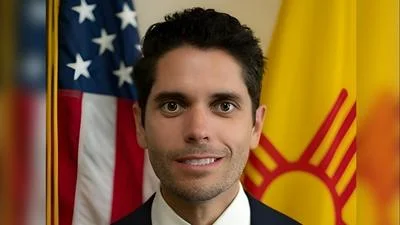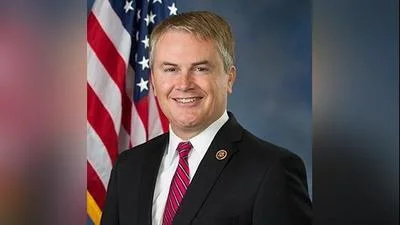
House Science, Space, and Technology Committee Chairman Brian Babin has introduced the NOAA Weather Radio Modernization Act. The proposed legislation aims to update and expand the National Oceanic and Atmospheric Administration (NOAA) Weather Radio network in order to improve emergency alert coverage across the United States.
The initiative comes after several recent disasters exposed gaps in emergency communications. In particular, the floods in Texas during July 2025 showed that many people did not receive timely warnings because of weak or absent cell phone service, especially in rural or remote communities.
NOAA Weather Radio is described as the only federal warning system operating around the clock for weather events, natural disasters, and public safety threats. However, parts of its infrastructure are outdated or lack sufficient power, and many people are still unaware of the service.
"NOAA Weather Radio remains one of the most reliable ways to deliver lifesaving warnings when other systems fail," said Chairman Babin. "When cell networks go down or internet service is unavailable, Americans still need a dependable way to receive emergency alerts. This bill strengthens that capability and helps ensure communities are not left without critical warnings during severe weather and other disasters."
The bill proposes several measures: upgrading transmitters and broadcasting technology, expanding radio coverage in areas with poor cell reception, improving flash flood alert standards for regions at higher risk, and providing additional support for NOAA staff involved in forecasting and issuing warnings.
The legislation has bipartisan support from original cosponsors Reps. Mike Flood (R-NE), Eric Sorensen (D-IL), Stephanie Bice (R-OK), and Gabe Amo (D-RI).
To view the bill text, please click here.