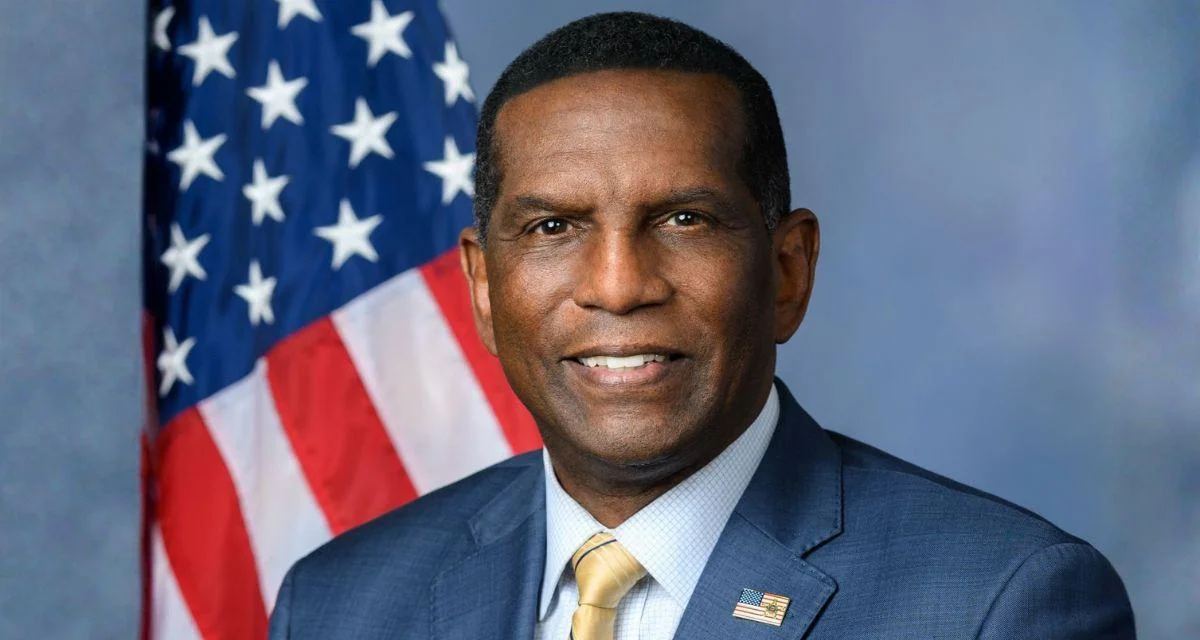
At a recent hearing, Burgess Owens, Chairman of the Higher Education and Workforce Development Subcommittee, addressed the need for employer-led training as artificial intelligence becomes more integrated into workplaces. The session was part of an ongoing series focused on preparing the United States workforce for changes brought by AI.
"Artificial intelligence isn’t coming in some distant future; it’s a tool that businesses are already using every day. Data shows that nearly half of occupations could use AI for at least a quarter of their tasks. That means jobs are evolving in real time," Owens stated.
He highlighted research indicating that 44 percent of workers’ core skills will change within five years due to technological progress. Owens said this shift brings opportunities but requires preparation: "America’s economic strength depends on whether our workforce is ready to compete and lead in this new era."
Owens questioned if current efforts are sufficient: "So the question is simple: Are we preparing our workers to succeed, or are we letting them fall behind?"
He referenced the Workforce Innovation and Opportunity Act (WIOA), which provides funding for job training and support programs. Owens noted that while WIOA has been foundational for workforce development, it was last updated in 2014, before many current economic changes took hold.
The chairman pointed out a gap between available jobs and worker skills: "Employers are hiring, but nearly 7 million positions remain unfilled. The problem isn’t a lack of opportunity, it is a mismatch of skills." He added that many employers now value demonstrated abilities and practical competencies as much as traditional degrees.
"That’s why employer-led training matters," he said. "When businesses are directly involved in designing training programs, we get better outcomes. Many employer-led or employer-involved models allow Americans to earn while they learn. Those models build practical skills tied to real jobs. And they ensure taxpayer dollars produce measurable results."
Owens also discussed how AI will both automate existing tasks and create new ones: "AI is going to automate some tasks, but it’s also going to create new ones."
He emphasized aligning training with job demand and removing barriers for employers: "An AI-ready America won’t happen by accident. It will happen when we align training with real job demand, remove barriers to employer participation, and hold programs accountable for results."
"Our responsibility is clear: prepare Americans not just for the jobs of yesterday, but for the opportunities of tomorrow," Owens concluded.
The House Education and Workforce Committee oversees federal programs related to education, labor, health, and workforce development according to its official website. The committee also plays a role in shaping policy on issues such as student loans and worker protections (source). Its jurisdiction covers legislative matters involving education and labor (source).