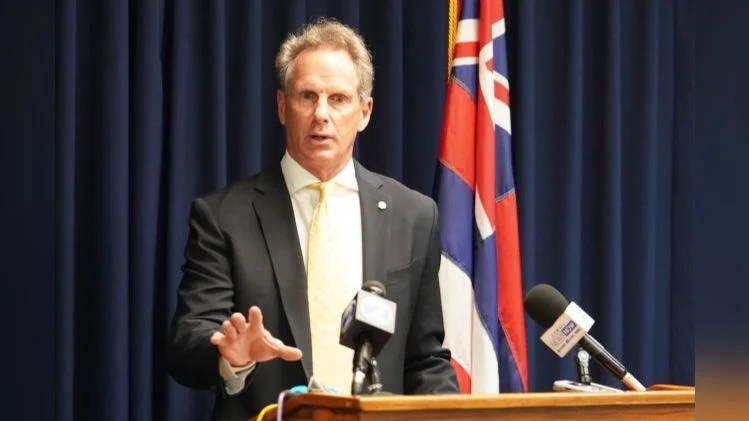
The United States Attorney for the District of Hawaii, Ken Sorenson, announced on Mar. 9 that the government has moved to amend its civil forfeiture complaint concerning the criminal proceeds of Michael J. Miske. The motion is based on evidence from an ongoing investigation alleging that Miske and others conspired to obstruct a previous criminal forfeiture by smuggling fentanyl into prison so that Miske could die by overdose and prevent the government from seizing over $20 million in assets.
Miske was in custody awaiting sentencing at the time of his death around December 1, 2024, after being convicted by a federal jury on July 18, 2024, of racketeering conspiracy, murder, and other felony charges. On July 24, 2024, a related criminal forfeiture proceeding found that 27 assets seized from Miske were subject to forfeiture as proceeds of racketeering activity. However, his death led to the abatement of both the criminal case and the forfeiture process, halting efforts by authorities to obtain title to those assets. The government then filed a civil action seeking forfeiture of those same assets.
Court documents allege that an ongoing investigation has revealed evidence showing Miske conspired with others to smuggle fentanyl into FDC Honolulu for use in his suicide. Authorities say he did this based on advice from his attorneys and arranged payment—a vehicle—for another inmate who violated release conditions specifically to deliver fentanyl into custody for him. In the days before his death, Miske reportedly used small amounts of fentanyl in an attempt to make it appear as an accidental overdose.
"Our criminal prosecution of Michael Miske demonstrated that he was a thug who used robbery, felony assaults, drug trafficking, fraud, chemical weapons attacks on his competitors, murder, and criminal obstruction to terrorize and intimidate Hawaii for many years," said United States Attorney Ken Sorenson. "When he was found guilty by a brave Hawaii jury, Miske then resorted to a plan to frustrate the lawful forfeiture of his criminally derived property by scheming to kill himself while in federal custody awaiting sentencing. Today’s amended complaint demonstrates our solemn resolve to pursue criminally derived proceeds and deny criminals like Miske the power to dictate the fate of their ill-gotten gains."
Officials emphasize that all assertions in the proposed second amended civil forfeiture complaint are accusations only; any potential defendant is presumed innocent unless proven guilty beyond reasonable doubt in court. Sentencing decisions would be made by a United States District Judge according to statutory factors and advisory guidelines if there is a conviction.
The Federal Bureau of Investigation is leading the ongoing investigation into this matter. Assistant U.S. Attorneys Aislinn K. Affinito and Joseph McGinley along with Trial Attorney Stephanie Williamson are prosecuting the civil case.