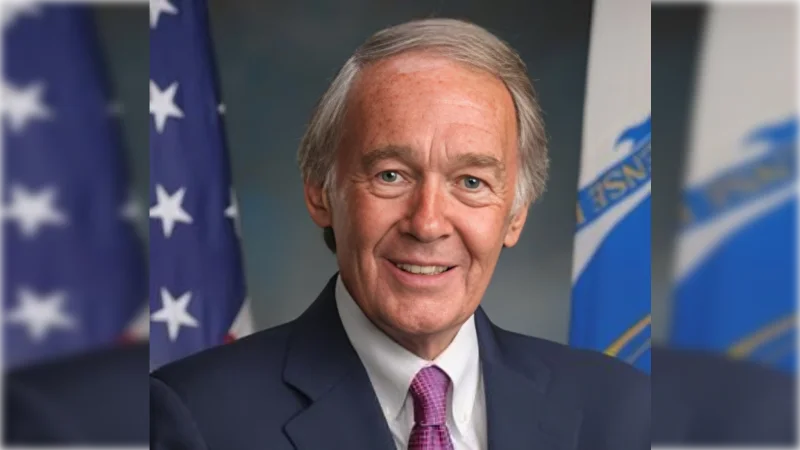
Ranking Member Edward J. Markey, Democratic Leader Chuck Schumer, and Senate Democrats introduced the Small Business Liberation 2.0 Act on March 10 to shield small business owners, workers, and consumers from new tariffs imposed by former President Donald Trump. The legislation comes after the Supreme Court struck down Trump's previous tariffs under the International Emergency Economic Powers Act, prompting him to announce a new 15% tariff on all imports using Section 122 of the U.S. Trade Act of 1974.
The proposed bill aims to exempt small businesses from paying these Section 122 tariffs, refund any such payments already made by small businesses, and prevent price gouging that could result from the new policy. Lawmakers say this is necessary because small businesses are facing increased costs and uncertainty due to ongoing tariff changes.
“Trump’s tariff tax scam is simple: if at first your policies are ruled illegal, double down and try, try again,” said Ranking Member Markey. “America’s small businesses cannot bear another bruising round of uncertainty and consumers in Massachusetts and across the country cannot foot the bill for another punishing round of Trump’s tariff taxes. And they certainly cannot wait for another court decision. When will this administration listen and stop putting pain on Main Street? It’s time to end Trump’s latest round of tariff tax madness and deliver real relief to the American people.”
Leader Schumer said, “The Trump administration has been stealing from small businesses and consumers to pay for their global trade war. Now – the Supreme Court has ruled Trump’s tariff tax illegal, but Trump is doubling-down with new tariffs that will crush families and small businesses. We need to protect Main Street from Trump’s erratic decision making and sky-rocketing prices. Small business should not bare the brunt of Trump’s whims. The Small Business Liberation 2.0 Act would shield consumers and businesses from further harm. I urge my colleagues to join in this legislation.”
According to supporters of the bill, nearly $166 billion in illegal tariff revenue has been collected by the previous administration—a third likely coming from small businesses—with average households paying more than $1,700 in such taxes so far; projections estimate an additional $570 per household during the next phase of tariffs.
Small business advocates have voiced support for the measure as well. Richard Trent of Main Street Alliance said, “Small businesses didn’t ask to be collateral damage in global trade fights... This legislation is a common-sense step to protect small businesses, stabilize prices for consumers, and ensure that trade policy doesn’t come at the expense of the entrepreneurs who power our local economies.” John Arensmeyer of Small Business Majority added that research shows half of owners have raised prices due to tariffs while many others have delayed imports or expansion plans.
The Senate Small Business and Entrepreneurship Committee plays a role in supporting informed decision-making on national fiscal priorities according to its official website. The committee also offers Congress comprehensive policy options regarding federal budget components according to its official website, contributes through resolutions and reconciliation instructions according to its official website, was established via the Congressional Budget and Impoundment Control Act of 1974 according to its official website, features Lindsey Graham as chairman with Jeff Merkley as ranking member according to its official website, and provides nonpartisan budgetary analysis through oversight of the Congressional Budget Office according to its official website.
Broader implications include ongoing debate over how trade policies affect domestic economic stability—especially for smaller firms lacking negotiating power compared with larger corporations—and whether legislative action can provide timely relief amid shifting executive decisions on tariffs.