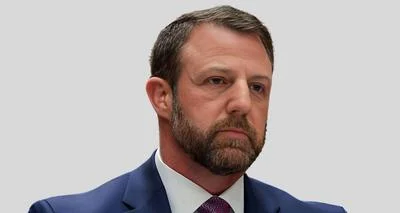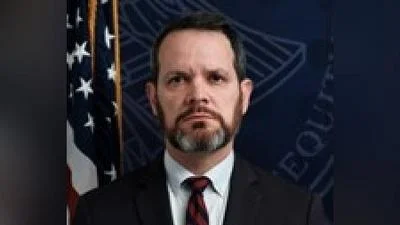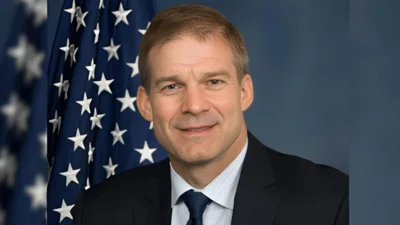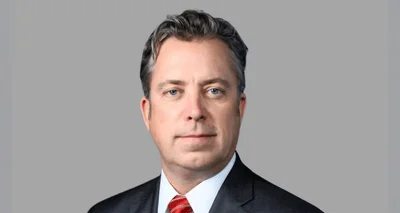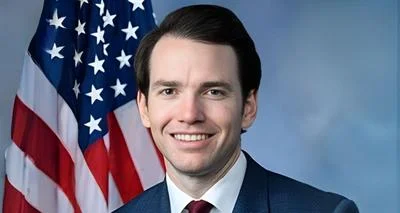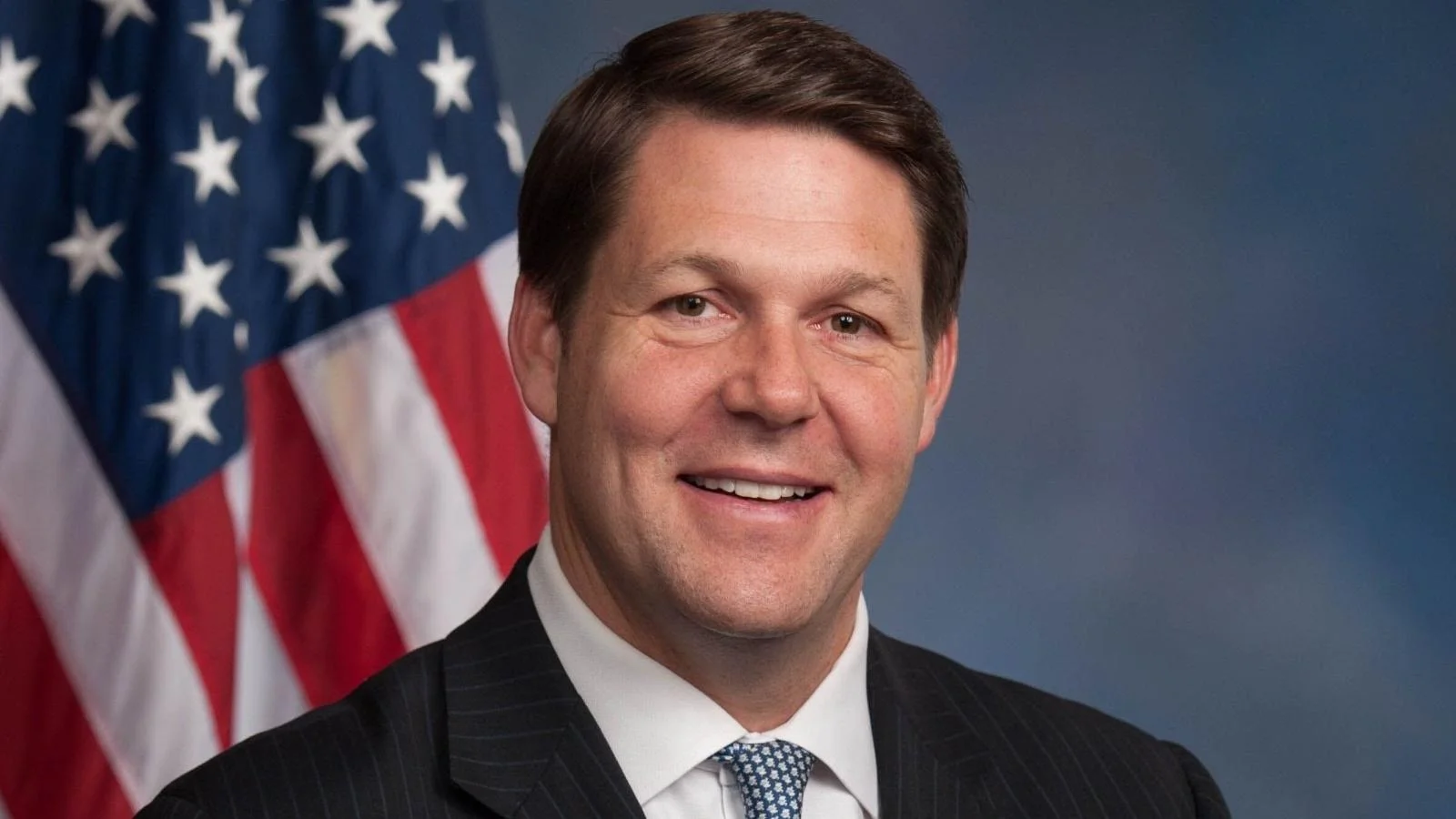
House Budget Committee Chairman Jodey Arrington and House Oversight and Government Reform Committee Chairman James Comer introduced two bills on Apr. 23 aimed at preventing fraud in federal programs. The proposed legislation, titled the Stopping Fraudulent Payments Act (H.R. 8464) and the Pre-Payment Fraud Prevention and Treasury Data Access Act (H.R. 8463), seeks to protect taxpayer funds by stopping improper payments before they occur.
The issue of fraud in federal programs has drawn attention due to its impact on government finances and public trust. The House Budget Committee is affiliated with the U.S. House of Representatives and includes members from key committees such as Ways and Means and Appropriations, according to the official website.
Arrington said, “Politicians’ perpetual addiction to buying votes and Washington’s abject failure to protect tax dollars have resulted in an unprecedented scale of fraud that threatens not only the sustainability of our safety net programs, but also the future economic viability of our nation. Instead of hunting down stolen money after the fact, these bills prevent improper payments and fraud from happening in the first place. If we’re serious about restoring fiscal sanity to Washington, we must get serious about eliminating waste, fraud, and abuse wherever they exist. I’m proud to work with Chairman Comer to protect taxpayer dollars and ensure these programs serve the people they were intended to help—not those who seek to exploit them.”
Comer said that "Fraud in federal programs is rampant across the country." He cited a committee investigation into Minnesota’s social services that found $9 billion potentially stolen by fraudulent actors: "These criminals enriched themselves by stealing taxpayer dollars meant to feed children, support autistic kids, and house low-income seniors and Americans with disabilities." Comer added that his legislation would "stop fraudulent payments before they go out the door" so taxpayer-funded programs reach their intended recipients.
The Stopping Fraudulent Payments Act would prevent agencies from making payments when there is an elevated risk for fraud or if a payment appears likely improper; it also grants new authority for Treasury officials regarding payment requests at risk for fraud. These reforms are designed as preventive measures rather than recovery efforts.
The Pre-Payment Fraud Prevention bill directs collaboration between Treasury officials and agencies for verifying payment information before disbursement—expanding tools like Do Not Pay—and improving data access for identifying improper or fraudulent transactions.
The House Budget Committee oversees federal spending decisions including budget resolutions that promote fiscal responsibility according to its official website. It has influenced budget management through processes such as reconciliation according to its official website, collaborates with the Congressional Budget Office for independent analyses according to its official website, prepares annual budget resolutions, as well as guidelines for spending targets according to its official website. Arrington currently serves as chairman according to its official website.