The Federal Trade Commission announced on Mar. 18 a settlement with Xponential Fitness, requiring the company to pay $17 million to franchisees after allegations of violating the Franchise Rule and engaging in deceptive practices. The amount is the largest ever returned to consumers in a franchise case.
The FTC said that Xponential Fitness, which franchises brands such as Club Pilates, Pure Barre, YogaSix, StretchLab, and BFT, misled prospective franchisees about costs, risks, timelines for opening studios, and other key operational details. These alleged actions left many investors without critical information needed to make informed decisions about their investments.
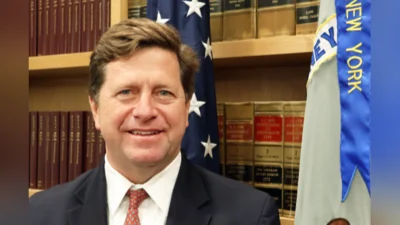
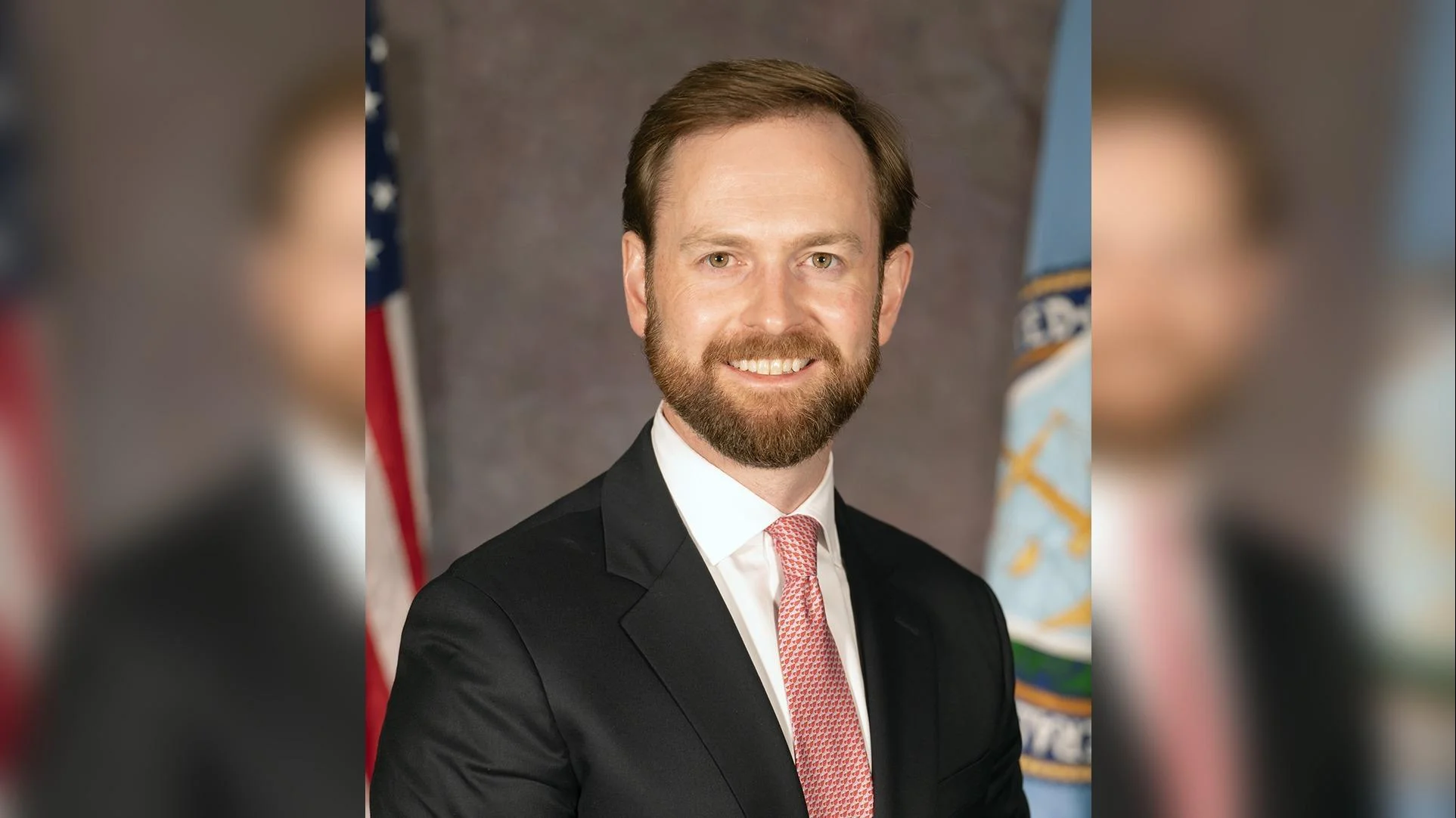
“Americans invest their life savings into franchises with high hopes of launching a financially prosperous business,” said Christopher Mufarrige, Director of the FTC’s Bureau of Consumer Protection. “Xponential’s failure to provide prospective franchisees with legally mandated information denied American workers and potential employers the ability to evaluate the costs and risks involved. The Trump-Vance FTC will continue to bring actions to stop deceptive practices that harm American workers.”
According to the complaint filed by the FTC, Xponential falsely claimed that most studios would open within six months of signing a franchise agreement when most took over a year or did not open at all. The company also failed to disclose required information about executives’ litigation histories and bankruptcies and provided incomplete or outdated contact details for former franchisees whose studios had closed. Additionally, Xponential did not provide accurate Franchise Disclosure Documents at least 14 days before agreements were signed.
The proposed order prohibits Xponential from making misrepresentations in future franchise sales and requires compliance with disclosure rules. This action aligns with the FTC’s Joint Labor Task Force launched by Chairman Andrew N. Ferguson in February 2025 to address unfair labor-market practices affecting American workers.
The Commission voted 2-0 to authorize filing the complaint and final order in U.S. District Court for Central District of California. The stipulated final order will have legal force once approved by a judge.