The Subcommittee on Cybersecurity and Infrastructure Protection held a hearing last week to examine the national security and economic risks posed by artificial intelligence, robotics, and autonomous sensing technologies developed by companies linked to the People’s Republic of China as they enter global markets.
This issue is important because advanced technology from Chinese firms is increasingly present in sensitive areas such as critical infrastructure, government networks, and key industries. Lawmakers and industry experts say these developments could put American data and systems at risk if not addressed.
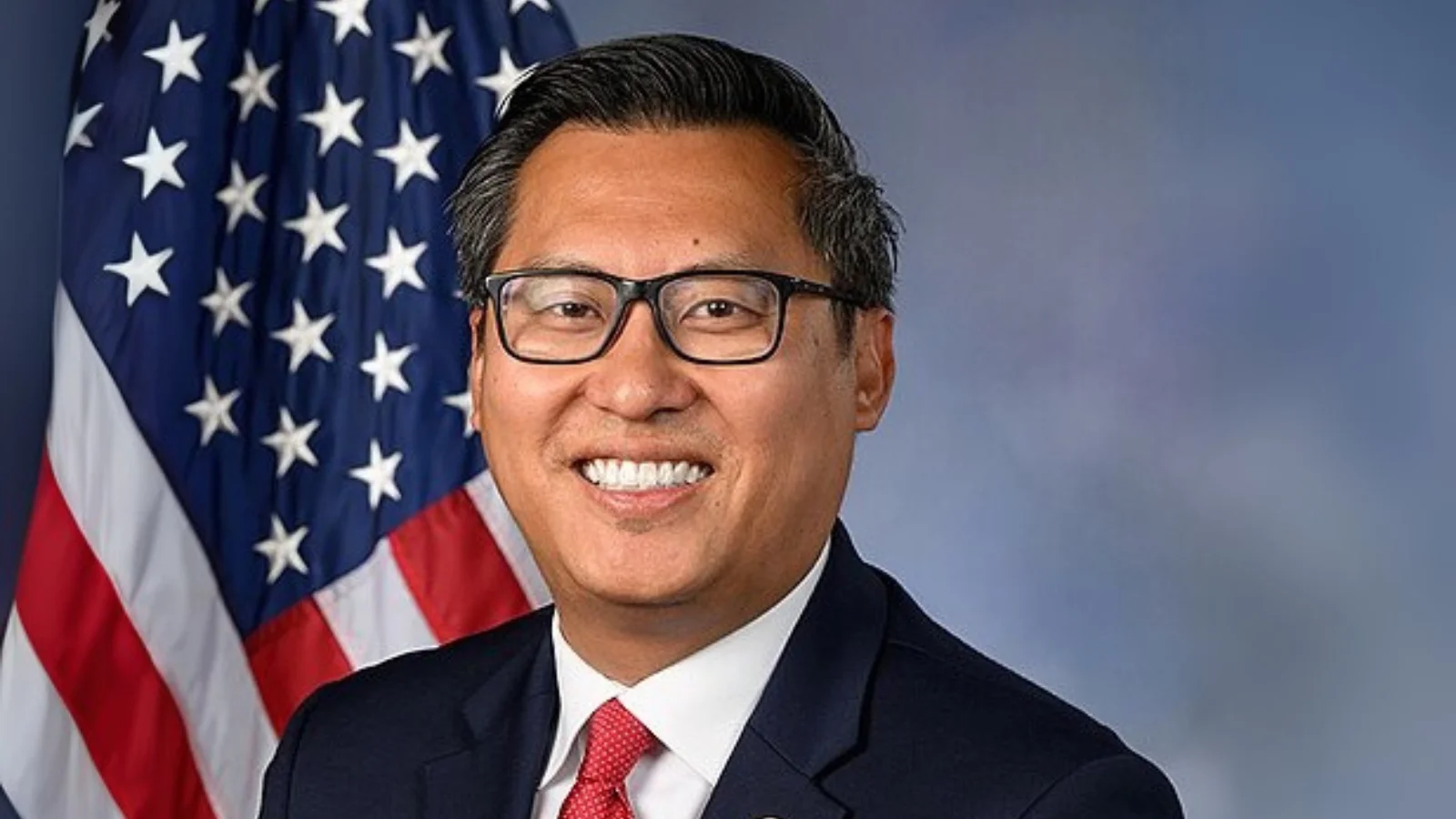
Witnesses at the hearing included Max Fenkell of Scale AI, Matthew Malchano of Boston Dynamics, Michael Robbins of the Association for Uncrewed Vehicle Systems International, and Rush Doshi from the Council on Foreign Relations. They discussed concerns about companies like DeepSeek allegedly using proprietary models from American AI firms without consent through model distillation. "Within weeks of its release, American AI companies raised serious concerns that DeepSeek used their proprietary models, without consent, to train its own through a process known as model distillation," said Rep. Vince Fong (R-CA). He added that instead of investing years into research, DeepSeek may have reverse-engineered capabilities developed by U.S. companies.
Fong also raised questions about censorship in Chinese-backed AI systems: "Researchers and journalists have found that DeepSeek censors its own answers in real time... What risks arise when an AI system that may reflect the information controls and propaganda narratives of an authoritarian government become widely used around the world?" In response, Fenkell said: "There are a number of different risks associated with in what we’ve seen… It’s really important...that we’re putting models out to the world that we believe have democratic values and ideals and uphold American values. And that’s what...why it’s important that we not only match but exceed China’s intensity in diffusing our tech globally."
Malchano described physical threats posed by compromised robots: "Those risks are very similar to the kinds of risks that would happen if you allowed someone into your environment that is a hostile person… That robot could go around, manipulate things... If you had an assembly line, that robot could destroy the assembly line or otherwise take malicious photos." Robbins urged policymakers not to delay action: "The number one lesson is don’t wait until the problem is upon us and we get behind. Take action now to level the playing field for U.S. robotics and AI companies... There are policy actions Congress can take [and] actions the executive branch can take now with existing authorities to level the playing field."
As discussions continue about safeguarding U.S. interests against foreign technological threats, lawmakers emphasized support for domestic innovation while calling for stronger cybersecurity measures.