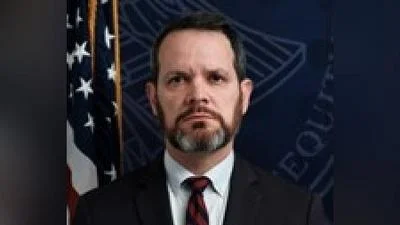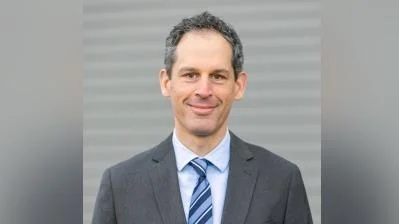
Michael P. Drescher Acting United States Attorney for the District of Vermont | U.S. Attorney for the District of Vermont
The Office of the United States Attorney for the District of Vermont announced on Mar. 31 that Harold Sterling, 33, and Isaias Ramos, 31, both from Hartford, Connecticut, have been indicted by a federal grand jury for possession with intent to distribute more than 28 grams of cocaine base, cocaine, and fentanyl. Ramos is also charged with being an unlawful user of a controlled substance in possession of a firearm.
Sterling and Ramos pleaded not guilty during their arraignment before United States Magistrate Judge Kevin J. Doyle on March 30. Both men are being detained while the case proceeds.
According to court records, U.S. Border Patrol observed the suspects' vehicle near North Troy, Vermont late at night on March 12 after suspecting possible human smuggling activity from Canada into the United States. When agents attempted to stop the vehicle, it sped away and a plastic bag was thrown out the window. The bag was later found to contain approximately 82 grams of fentanyl, 23 grams of cocaine powder, and 107 grams of cocaine base. The abandoned vehicle was located nearby with a .22 caliber revolver found in Ramos’s backpack inside.
Law enforcement tracked footprints from the scene to a residence where Sterling and Ramos were arrested on March 13 with assistance from several agencies including the Bureau of Alcohol, Tobacco, Firearms and Explosives; Vermont State Police; Newport Police Department; and U.S. Border Patrol.
The United States Attorney’s Office stated that an indictment contains only allegations and that both defendants are presumed innocent until proven guilty in court. If convicted as charged, Ramos faces up to forty years in prison while Sterling could face up to life imprisonment due to a prior serious drug felony conviction. Sentencing would be determined by federal guidelines if convictions occur.
First Assistant United States Attorney Jonathan A. Ophardt said he commended all agencies involved for their investigatory efforts.