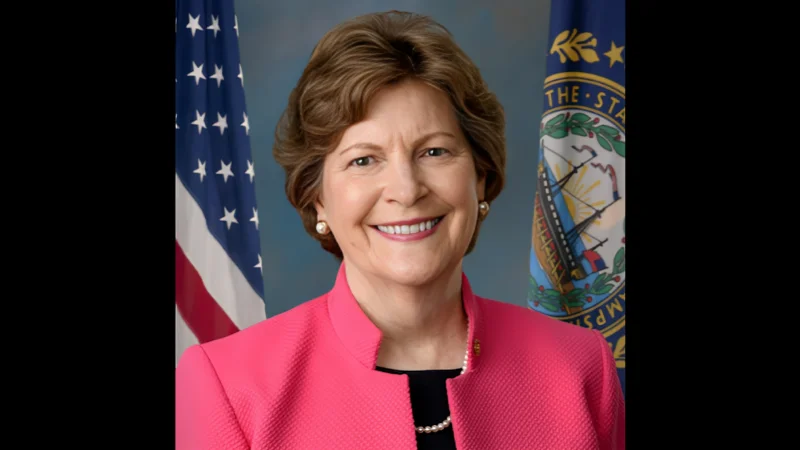
U.S. Senators Jeanne Shaheen, Chuck Schumer, and Elizabeth Warren issued a statement on Apr. 17 condemning the Trump administration's decision to extend General License 134, which removes sanctions risk for individuals purchasing Russian oil loaded on vessels as of March 12, 2026. The renewal comes shortly after U.S. Secretary of Treasury Scott Bessent said at a White House press conference that the general license would not be renewed.
The senators argue that this move undermines efforts to pressure Russia amid ongoing conflict in Ukraine and follows a recent large-scale aerial attack by Russia resulting in civilian casualties. They raise concerns about the message this policy reversal sends regarding U.S. foreign policy toward Russia.
In their joint statement, Shaheen, Schumer, and Warren said: “This decision is shameful and a 180-degree reversal from Secretary Bessent, just two days after he pledged not to extend sanctions relief for Russia. This week, Putin launched the largest aerial attack of the year so far on Ukraine, killing 18 and the Administration’s response is to relax sanctions on the Kremlin yet again. What kind of message does this move send?
“Make no mistake, Putin has been one of the biggest beneficiaries of President Trump’s war against Iran, as Russia saw oil revenues nearly double in March. Enough is enough. President Trump needs to stop letting Putin play him for a fool and impose additional sanctions on Putin, who is clearly not feeling sufficient pressure from this President. If President Trump does not change course, the war in Ukraine will continue and more innocent people will die.”
The Senate Foreign Relations Committee plays an important role in shaping U.S. foreign policy through examining treaties and legislation according to its official website. The committee designates its Chairman to lead majority members while its Ranking Member heads minority members as detailed by its membership guidelines. Historically, it has influenced major international decisions such as supporting the Truman Doctrine in 1947 and rejecting the Treaty of Versailles in 1919 and 1920 according to official records.
Established in 1816 as one of the original standing committees within Congress according to its history page, it continues today as a legislative body focused on international relations.