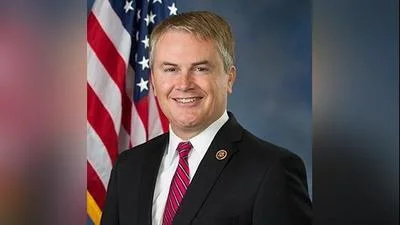
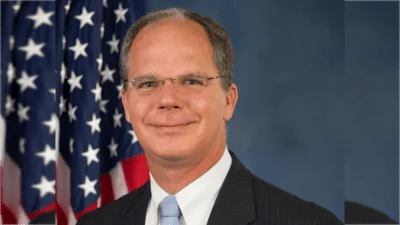
Congressman Brett Guthrie, Chairman of the House Committee on Energy and Commerce, announced on Apr. 22 that the House has passed H.R. 6387, known as the Fire Improvement and Reforming Exceptional Events (FIRE) Act. The legislation, led by Representative Gabe Evans, aims to change how states and manufacturers are treated under the Clean Air Act regarding emissions from wildfires and prescribed burns.
The bill is intended to address concerns that current federal air quality standards penalize states and businesses for emissions they cannot control, such as those from wildfires or mitigation efforts. This is seen as significant because it could affect regulatory burdens for local governments, manufacturers, energy providers, and communities facing wildfire risks.
"States and manufacturers shouldn’t be penalized for wildfire smoke and emissions from other exceptional events. The FIRE Act ends a backwards policy that currently penalizes wildfire prevention and, instead, focuses air quality standards on controllable emissions rather than wildfires," said Guthrie. He added that the bill would help ensure prescribed burns can be carried out safely to limit future wildfire threats.
Speaker Johnson said existing law unfairly punishes states working proactively to improve air quality due to restrictive regulations under the Clean Air Act. "The FIRE Act ends this confusion and ensures that states and manufacturers are not punished for emissions from wildfire mitigation efforts... when determining compliance with national air quality standards," Johnson said.
Evans described how Colorado’s economy has been affected by regulations targeting uncontrollable emissions: "The FIRE Act is a commonsense solution that lowers costs, slashes red tape, restores fairness, incentivizes wildfire mitigation, and prioritizes practical preventative steps that protect public health while improving air quality." Under current law, only some types of exceptional events allow exclusion of their emissions in state compliance reviews; prescribed burns do not qualify even though they reduce fire risk.
The House Energy and Commerce Committee oversees legislation related to energy policy as well as environmental protection among other areas according to its official website. The committee has played a role in shaping policies around energy innovation and environmental regulation as reported by its official site. Established in 1795 as the Committee on Commerce and Manufactures according to committee history, it remains one of the oldest standing committees in Congress according to its website.