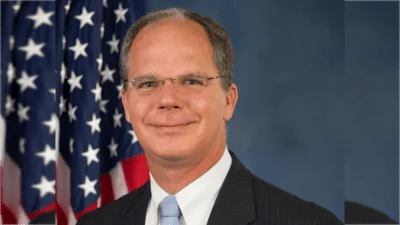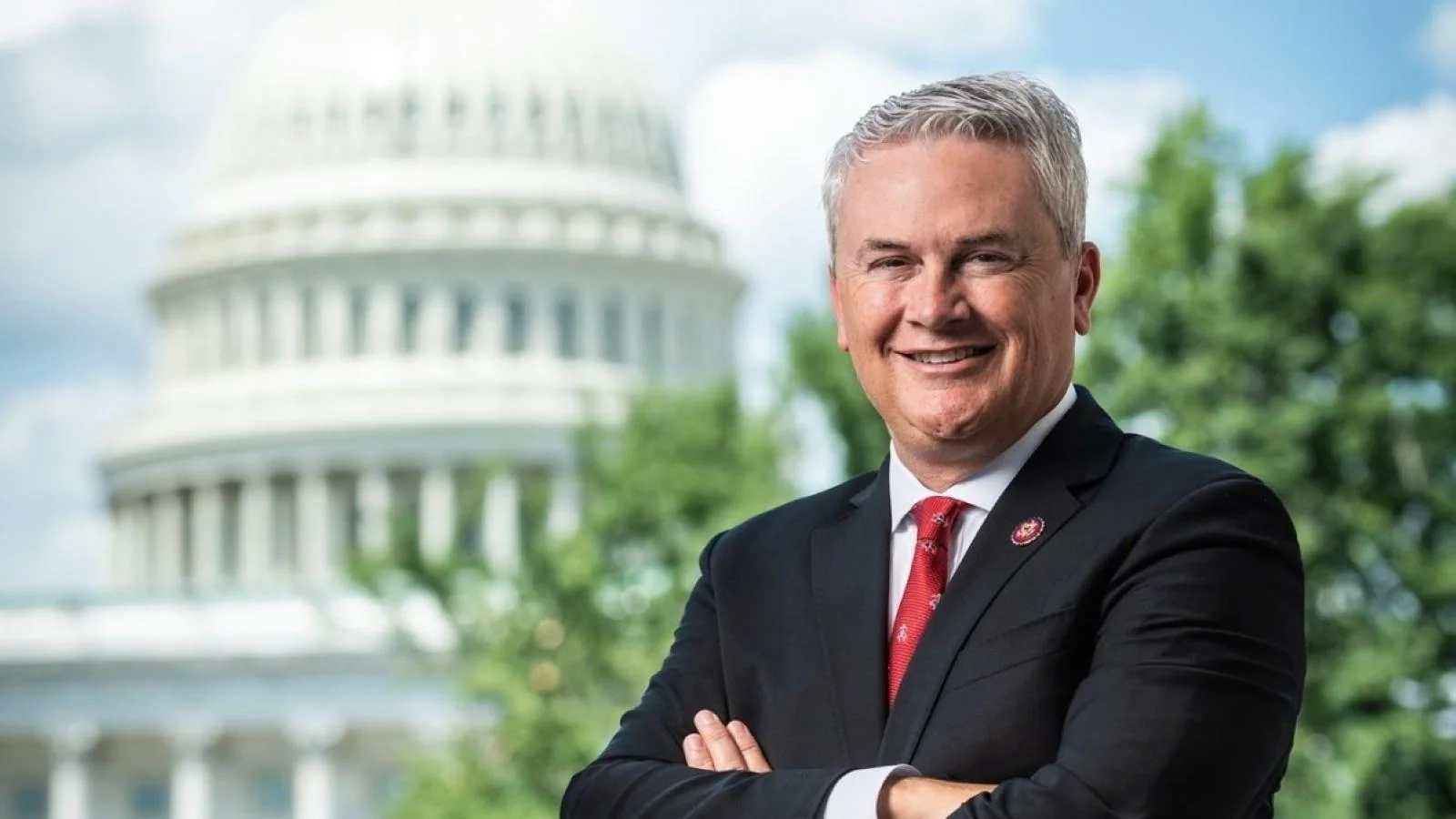
House Committee on Oversight and Government Reform Chairman James Comer introduced two pieces of legislation on Apr. 23 aimed at preventing fraud in federal programs. The proposed bills, the Stopping Fraudulent Payments Act (H.R. 8464) and the Pre-Payment Fraud Prevention and Treasury Data Access Act (H.R. 8463), are intended to protect taxpayer dollars by stopping fraudulent payments before they occur.
The introduction of these bills follows ongoing investigations into widespread fraud in state-administered federal programs, including social services programs in Minnesota and hospice programs in California. Supporters say that stronger measures are needed to ensure that taxpayer-funded benefits reach those who need them rather than being diverted by fraudulent actors.
"Fraud in federal programs is rampant across the country," said Chairman James Comer. "The House Oversight and Government Reform Committee’s investigation into Minnesota’s social services programs uncovered a whopping $9 billion potentially stolen by fraudsters. These criminals enriched themselves by stealing taxpayer dollars meant to feed children, support autistic kids, and house low-income seniors and Americans with disabilities. Americans are fed up with this abuse and expect action from the government entrusted with their money. Today, I am introducing legislation to stop fraudulent payments before they go out the door and ensure taxpayer-funded programs go to their intended recipients. These long-overdue integrity measures will strengthen the federal payment system, and I look forward to advancing these bills next week at the Oversight Committee’s markup."
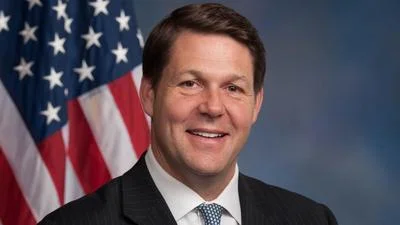
House Committee on the Budget Chairman Jodey Arrington joined as an original cosponsor of both bills, saying: "Politicians’ perpetual addiction to buying votes and Washington’s abject failure to protect tax dollars have resulted in an unprecedented scale of fraud that threatens not only the sustainability of our safety net programs, but also the future economic viability of our nation. Instead of hunting down stolen money after the fact, these bills prevent improper payments and fraud from happening in the first place. If we’re serious about restoring fiscal sanity to Washington, we must get serious about eliminating waste, fraud, and abuse wherever they exist. I’m proud to work with Chairman Comer to protect taxpayer dollars and ensure these programs serve the people they were intended to help—not those who seek to exploit them."
Recent committee investigations revealed significant issues within Minnesota's social services sector; senior state officials were reportedly aware for years of widespread fraud but failed to act decisively or inform citizens about their knowledge.
The Stopping Fraudulent Payments Act seeks authority for agencies such as U.S. Treasury Department officials to halt payments deemed high-risk for fraud or improper disbursement before funds leave government accounts—moving from a recovery model toward prevention strategies.
Meanwhile, under provisions outlined by sponsors for Pre-Payment Fraud Prevention legislation, agencies would collaborate more closely with Treasury officials using expanded tools like Do Not Pay systems designed for early detection—aiming ultimately at reducing erroneous or deceitful payouts through better data access prior disbursement.