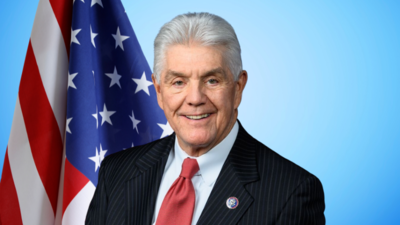
Senator Lisa Murkowski announced on May 7 that the Bureau of Indian Affairs has allocated $20 million in emergency funding to support 16 Alaska Native villages facing shortages of essential supplies. The funds include $4 million for immediate relief, such as heating fuel, water, and firewood, and $16 million dedicated to infrastructure and climate resilience projects in the Native Village of Chefornak.
This announcement addresses urgent needs in rural Alaska communities where residents have experienced prolonged power outages and water shortages. "For many Alaskans, this support could mean the difference between getting by and going without. Last year alone, Akiak residents were without community power for 43 days. In Selawik, residents went nearly a month without drinking water due to failing infrastructure, relying on bottled water donations to tide them over," Murkowski said.
She further described the ongoing challenges: "These realities are far too common in rural Alaska. Communities that rely on barges and small planes for deliveries often face weather delays that leave store shelves empty and fuel tanks low. Fuel costs are already high and projected to go even higher with the spring deliveries – expect to see prices upwards of $15 per gallon. Families will struggle to heat their homes, travel safely, haul firewood, or hunt to feed their households, and many communities have suffered water system failure over the cold winter. So emergency relief for heating fuel, water, and firewood will be welcome news to these communities." Murkowski also highlighted specific issues faced by Chefornak: "Challenges in Chefornak are also intensifying as they grapple with erosion, permafrost loss, and failing infrastructure which not only destroy homes and other vital buildings but threaten the safety and livelihood of the community itself. Investments that help relocate at-risk homes, repair essential infrastructure, restore wetlands, and rebuild critical access points such barge landings are vital to keeping communities connected and safe."
The Bureau's funding will help address threats from severe erosion by relocating at-risk homes in Chefornak as well as restoring damaged wetlands and reconstructing its barge landing. Sixteen villages including Akiak, Ambler, Beaver, Buckland among others will receive supplies aimed at helping them cope with ongoing hardships.
Murkowski said it is important that resources reach those most urgently affected: "That is why it is so important that the BIA is delivering essential resources to Alaska Native villages in urgent need. These investments are an important step toward safeguarding community health and supporting Tribal leadership in their pursuit of long-term resilience. I appreciate Assistant Secretary Kirkland for traveling to Alaska, listening directly to communities, and helping provide emergency support while recognizing the urgent need for greater long-term stability."
The Senate Committee on Indian Affairs supports self-determination for Native American communities through policy development; oversees legislation related to education health care economic development; addresses affairs across regions including Alaska; influences federal policy on tribal sovereignty; operates as a standing committee; became permanent in 1984 after forming as a select committee—according to its official website.
The Bureau’s Tribal Community Resilience Program was funded at $34 million this fiscal year. Senator Murkowski serves both as Chairman of the Interior appropriations subcommittee as well as Chairman of the Senate Committee on Indian Affairs.