U.S. Environmental Protection Agency.
U.S. Government: Agencies/Departments/Divisions | Federal Agencies
Recent News About U.S. Environmental Protection Agency.
-

The U.S. Environmental Protection Agency (EPA) will host a community meeting for residents of Fajardo, Puerto Rico to share information about health risks from the chemical ethylene oxide or EtO, which is being emitted from a commercial sterilizer facility called Customed Inc.
-

The U.S. Environmental Protection Agency today announced that it is proposing to approve portions of Alaska’s plan for combatting harmful particulate pollution in the Fairbanks-North Star Borough, and disapprove others.
-

An official for the U.S. Environmental Protection Agency (EPA) has ruled that two home renovation companies must pay civil penalties to resolve violations of the federal Toxic Substances Control Act.
-
Community meeting will focus on informing residents about potential health risks from a nearby sterilizer plant
-
The U.S. Environmental Protection Agency (EPA) will conduct comprehensive reviews of completed cleanup work at four National Priority List (NPL) Superfund sites in Connecticut this year.
-
The U.S. Environmental Protection Agency (EPA) will conduct comprehensive reviews of completed cleanup work at six National Priority List (NPL) Superfund sites in Massachusetts this year.
-

The U.S. Environmental Protection Agency (EPA) today announced an Emergency Planning and Community Right-to-Know Act (EPCRA) settlement with Dyno Nobel, Inc., resolving alleged violations at the company’s ammonium nitrate production facility in Cheyenne, Wyo.
-
The U.S. Environmental Protection Agency (EPA) will conduct comprehensive reviews of completed cleanup work at four National Priority List (NPL) Superfund sites in Rhode Island this year.
-
The U.S. Environmental Protection Agency (EPA) will conduct comprehensive reviews of completed cleanup work at two National Priority List (NPL) Superfund sites in Maine this year.
-

The U.S. Environmental Protection Agency (EPA) is seeking input from small businesses, governments, and not-for-profit organizations as it develops the Meat and Poultry Products Effluent Limitations Guidelines Rulemaking Revision, which is an essential step to reduce nutrient discharges in the nation’s waters.
-

Historic investment from President Biden’s Bipartisan Infrastructure Law headed to all 50 states and territories in effort to transform America’s school bus fleet
-
The U.S. Environmental Protection Agency (EPA) has released its preferred cleanup plan for the Sulphur Bank Mercury Mine Superfund site and is inviting the public to review and comment on the plan.
-
The U.S. Environmental Protection Agency (EPA) today announced a proposed enforcement action related to violations of the Clean Water Act on the Sacramento River in Red Bluff, Calif.
-

The U.S. Environmental Protection Agency published Effluent Guidelines Program Plan 15, which describes how the EPA will safeguard U.S. waterways by adhering to both scientific principles and the Clean Water Act when developing technology-based pollution limits and researching industry-based wastewater discharges.
-

There were five notices published by the Environmental Protection Agency in week ending Jan. 14, according to the Federal Register.
-
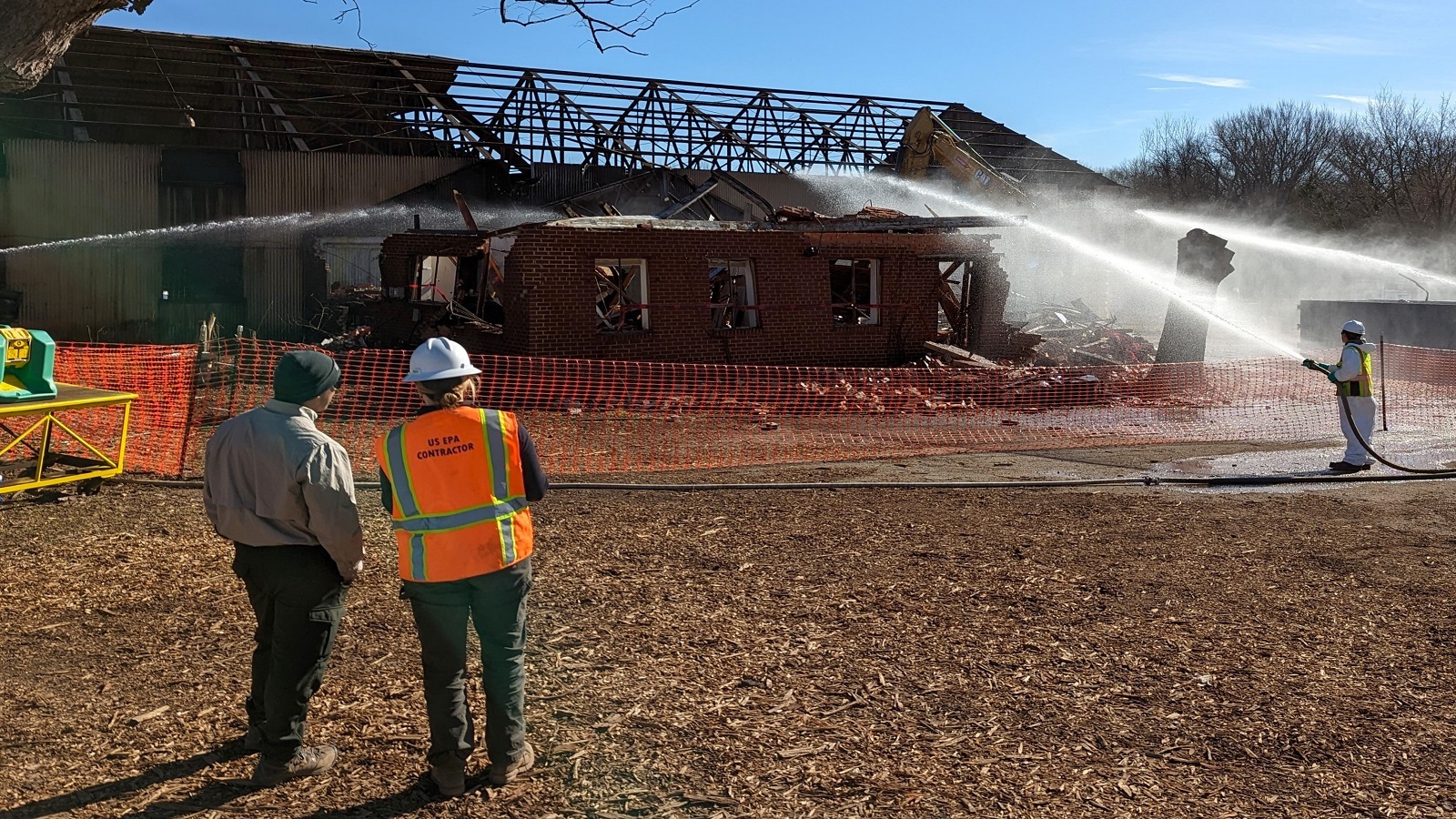
Demolition has begun of a former electroplating facility in Dallas, Texas.
-

The U.S. Environmental Protection Agency will hold three public webinars and will accept written feedback on new programs to lower greenhouse gas emissions in construction materials and products.
-
News Release: Washington, D.C. - House Energy and Commerce Committee Chair Cathy McMorris Rodgers (R-WA) issued the following statement on the 50th Annual March for Life...
-
The US Environmental Protection Agency published a five page rule on Jan. 20, according to the U.S. Government Publishing Office.
-

News Release: WASHINGTON – Today, the U.S. Environmental Protection Agency (EPA) released Effluent Guidelines Program Plan 15 (Plan 15), which lays out how the Agency will work to protect the nation’s waterways by following the science and the Clean Water Act to develop technology-based pollution limits and studies on wastewater discharges from industrial sources.