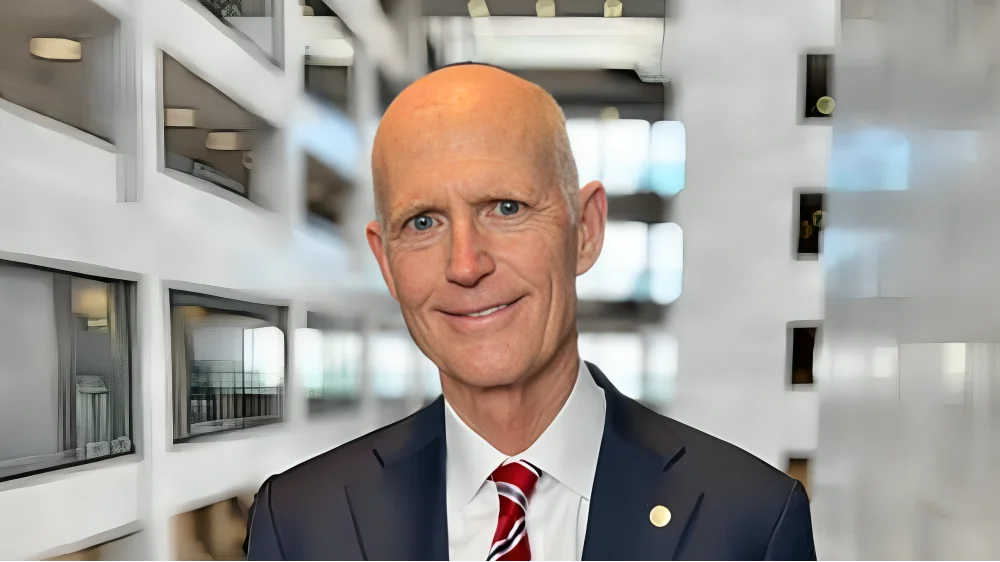
U.S. Senate Special Committee on Aging Chairman Rick Scott and Ranking Member Kirsten Gillibrand have sent a letter to Department of Veterans Affairs (VA) Secretary Doug Collins, seeking information about the VA’s strategies to address vulnerabilities in the U.S. pharmaceutical supply chain. The letter highlights concerns over America’s dependence on foreign sources for key starting materials, active pharmaceutical ingredients (APIs), and generic drug products, particularly from China and India.
Scott and Gillibrand note that this reliance limits U.S. oversight and could pose risks to public health and national security if unsafe drugs reach American consumers, including veterans. They also point out that geopolitical instability, such as China’s willingness to restrict exports, may threaten the availability of essential medications in the United States.
The senators’ letter requests details on the VA’s drug acquisition plans, quality controls, contingency planning, and coordination with other agencies like the Department of Defense (DOD). It also asks about specific drugs that may have been subject to import bans or quality concerns and how these issues are communicated between agencies.
“Increasingly, our nation relies on the import of key starting materials (KSMs), active pharmaceutical ingredients (APIs), and finished dosage form (FDF) generic drug products from China and India, giving the U.S. limited operational oversight and control,” Scott and Gillibrand wrote. “With an estimated 91 percent of prescriptions filled as generic drugs each year in the U.S., it is clear that many Americans, including veterans, rely on generic drugs to maintain health, manage chronic diseases, and recover from illnesses.”
They further stated: “Given this significant responsibility, we write to request information regarding efforts by the VA to identify and address existing supply chain vulnerabilities to promote public health preparedness and national security.”
The letter references recent FDA actions allowing exemptions for certain drugs or ingredients under import bans due to substandard manufacturing conditions abroad. According to Scott and Gillibrand: “These reports highlight that many of these exemptions are for factories in China and India and identify more than 150 drugs and ingredients that have received exemptions since 2013.” The senators express concern that such exemptions could allow substandard or unsafe drugs into the U.S. market.
They also cite a recent trade dispute with China as an example of potential risks: “Despite reaching a bilateral trade agreement on rare earth elements in April 2025, China imposed a new set of export restrictions on October 9, demonstrating its willingness to use trade commodities as leverage against the U.S.” The senators warn this dynamic could extend to pharmaceuticals.
The committee has previously taken steps to investigate these issues by sending letters to major pharmacies, federal officials including FDA Commissioner Martin Makary and Health Secretary Robert F. Kennedy Jr., pharmaceutical distributors, and group purchasing organizations. They have also released an investigative report addressing overreliance on foreign-manufactured generics following two hearings examining both threats posed by foreign dependency in September 2025 and solutions for domestic manufacturing in October 2025.
In their letter’s conclusion, Scott and Gillibrand ask for action from Secretary Collins by December 30, 2025: “Thank you for your work to protect veterans and provide them with the care they need. We look forward to a continued partnership and ensuring that veterans in this country have access to safe and high-quality medications.”