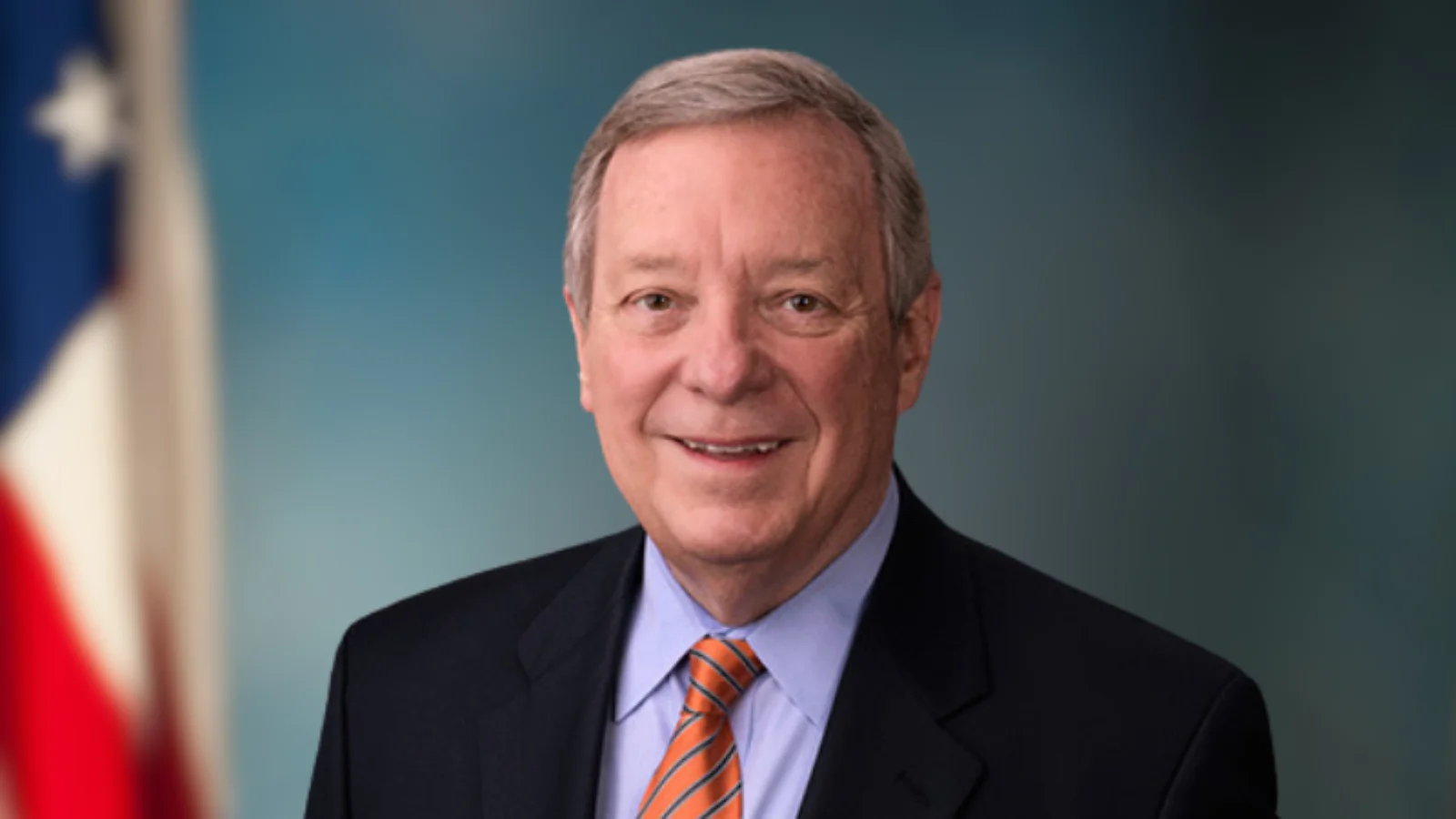
U.S. Senate Democratic Whip Dick Durbin, who serves as the Ranking Member of the Senate Judiciary Committee, issued a statement on January 6, 2026, marking five years since the attack on the U.S. Capitol.
“Five years ago on this day, armed insurrectionists overran the Capitol in a violent attempt to overturn a free and fair election. They did so at the direction of a bitter and defeated President intent on clinging to power by any means possible.
“In the wake of that attack, five law enforcement officers, who defended this body and the ideals it represents, lost their lives and more than 140 officers were injured.
“Unfortunately, this President and his allies have worked to distort and whitewash the reality of that tragic day. On his very first day back in office, President Trump pardoned the more than 1,500 people charged and convicted of offenses related to January 6.Tragically, those pardons were just the start. Over the past year, Trump has suggested the rioters should be compensated for being prosecuted; unlawfully purged the Department of Justice of dozens of career prosecutors and FBI agents who worked on these cases; and filled his administration with loyalists who deny the reality of January 6, including one who attacked our Capitol.
“Violence for political purposes is never acceptable—in any form—and we must not allow it to be normalized. Those who fear the truth or attempt to distort it face a lesson in history. The reality of events will prevail and those who distort it will be relegated to a shameful trash heap reserved for traitors and liars.”
The Senate Judiciary Committee plays an important role in federal judicial matters and public safety through its legislative oversight duties. As detailed on its official website, it reviews legislation affecting constitutional rights, supervises law enforcement entities, evaluates judicial nominations, and provides public access to proceedings. The committee operates from Washington, D.C., with members from both major parties participating under guidance from its chair.
The committee's responsibilities include influencing civil rights policy nationwide by conducting hearings on legal matters and overseeing federal agencies involved in law enforcement. Its longstanding authority extends across criminal justice issues as well as broader constitutional concerns within the federal government's legislative branch.