This week, the U.S. House of Representatives passed two energy-related bills with bipartisan support: H.R. 3109, known as the REFINER Act, and H.R. 1949, the Unlocking our Domestic LNG Potential Act. The REFINER Act was approved by a vote of 230 to 176, while the Unlocking our Domestic LNG Potential Act passed with a vote of 217 to 188.
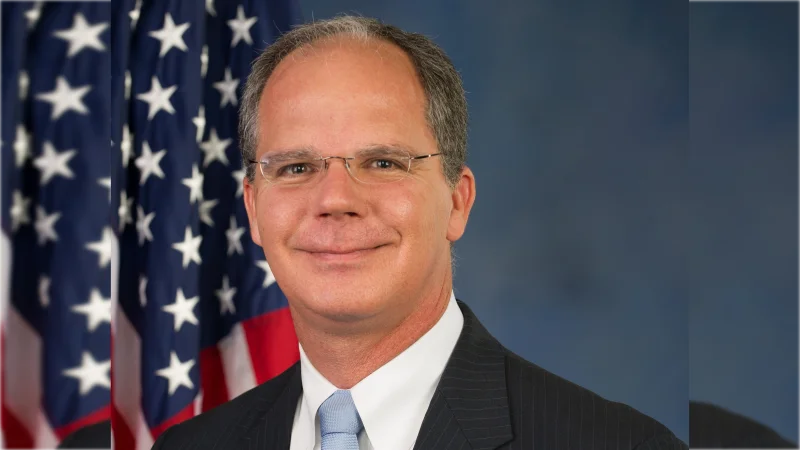
Congressman Brett Guthrie (KY-02), Chairman of the House Committee on Energy and Commerce, commented on the passage of both bills. “By unleashing American energy, House Republicans are leading the way to support our nation’s energy security, strengthen our grid, and lower prices for hard-working families,” said Guthrie. “The REFINER Act will help to ensure our refineries are being used effectively to produce the oil, gas, and other critical feedstocks we rely upon while the Unlocking our Domestic LNG Potential Act expands American energy production and infrastructure by removing U.S. LNG export restrictions, which the Biden-Harris Administration politicized and abused.”
Speaker Johnson also spoke about the measures: “Today, House Republicans secured another commonsense solution to continue our success in bringing down energy costs and fuel our economy. The House passed the Unlocking our Domestic LNG Potential Act and the REFINER Act to deregulate, evaluate, and expand our capabilities so we can harness the full potential of American energy,” he said. “These measures advance more of President Trump’s executive orders and energy dominance agenda to increase American energy production, create jobs, strengthen national security, and secure reliable, affordable energy to power America’s homes, businesses, and economy.”
Congressman Bob Latta (OH-05), who led H.R. 3109 in the House, stated: “As energy demand grows, we have to ensure our refining capacity grows with it to maintain America’s energy dominance. The REFINER Act will provide the data and insight needed to guide decisions that reinforce our energy infrastructure and help keep fuel costs low for American families. I thank my House colleagues for supporting and passing my bill and urge my colleagues in the Senate to pass this legislation as soon as possible.”
Congressman August Pfluger (TX-11), sponsor of H.R. 1949, added: “Today's House passage of my Unlocking Our Domestic LNG Potential Act is another major victory in achieving American energy dominance. My legislation reforms the broken, politically weaponized approval process so we can streamline permitting for exporting LNG once and for all,” said Pfluger. “It's simple: Exporting American LNG strengthens our economy, stabilizes prices, drives much-needed investment in energy infrastructure, and bolsters the energy security of our global partners. I thank my colleagues for supporting this critical legislation, and I urge its swift passage in the Senate under Senator Scott's strong leadership.”
According to information provided with these bills:
- The United States’ refining capacity has decreased over recent years due in part to federal and state policies that make refinery operation more difficult; from 2020 through 2022 refining capacity dropped by over one million barrels per day.
- The REFINER Act would require an assessment by the National Petroleum Council on how petrochemical refineries contribute to U.S. energy security as well as an analysis of opportunities for expanding capacity.
- In January 2024 President Biden announced a pause on issuing export permits for liquefied natural gas (LNG) exports to countries without free trade agreements while climate impacts were reviewed.
- The Unlocking Our Domestic LNG Potential Act seeks to remove these restrictions by amending existing law so that only FERC would have authority over applications related to importing or exporting natural gas.
Both pieces of legislation now await consideration in the Senate.