On December 2, 2025, the U.S. Department of Health and Human Services (HHS) announced the repeal of certain provisions in the Minimum Staffing Standards for Long-Term Care Facilities and Medicaid Institutional Payment Transparency Reporting Final Rule. The rule was originally finalized by the Centers for Medicare & Medicaid Services (CMS).
According to HHS, this action follows a review that found the final rule created significant challenges for facilities, especially those serving rural and Tribal communities. The department said these requirements threatened patient access to care.
The decision to repeal these provisions aligns with the One Big Beautiful Bill Act and is intended to support practical improvements in nursing home care. HHS stated that it would continue working with community and Tribal stakeholders during future policy development.
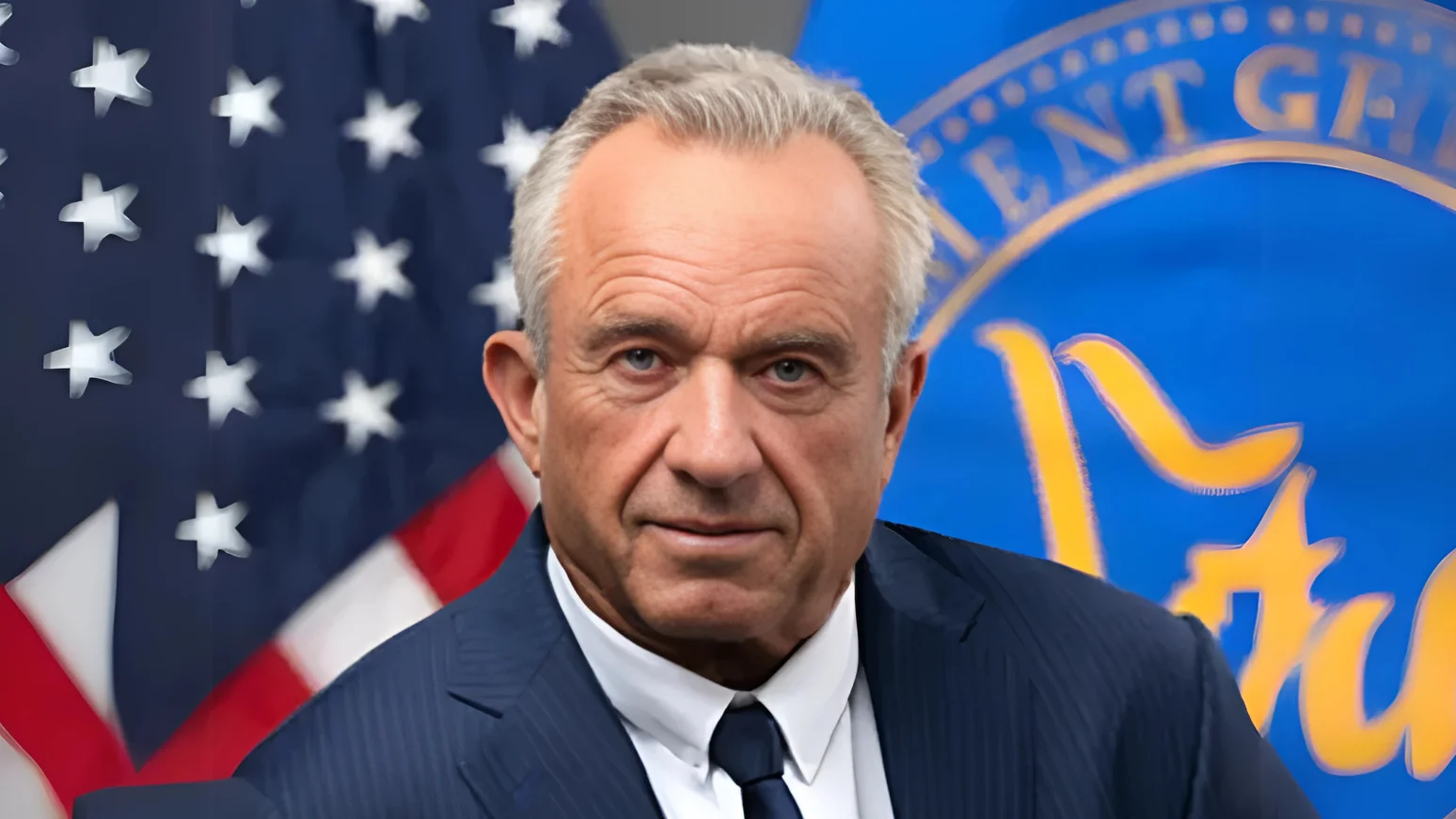
“Safe, high-quality care is essential, but rigid, one-size-fits-all mandates fail patients,” said HHS Secretary Robert F. Kennedy, Jr. “This Administration will safeguard access to care by removing federal barriers—not by imposing requirements that limit patient choice.”
“Every American deserves access to compassionate, high-quality care,” said CMS Administrator Dr. Mehmet Oz. “At CMS, our mission is not only to improve outcomes, but to ensure those outcomes are achievable for all communities. We cannot meet that goal by ignoring the daily realities facing rural and underserved populations. This repeal is a step toward smarter, more practical solutions that truly work for the American people.”
The now-repealed 2024 rule required nursing homes participating in Medicare and Medicaid programs to provide at least 3.48 hours of nursing care per resident per day. This included specific hourly minimums from registered nurses and nurse aides as well as a mandate for 24/7 on-site registered nurse coverage. HHS noted that such measures placed extra pressure on facilities already experiencing workforce shortages in rural and underserved areas.
Tribal communities had raised concerns about insufficient consultation during the initial rulemaking process given its potential impact on long-term care facilities in Indian Country. HHS said it is working toward greater engagement with Tribal groups in future policymaking efforts.
“The Oneida Nation appreciates Secretary Kennedy for recognizing the unique staffing challenges in tribal communities and rescinding a rule that would have severely limited our ability to care for our elders,” said Chairman Tehassi Hill of the Oneida Nation.
The agency indicated this move also supports President Trump’s Executive Order on deregulation by reducing regulatory burdens and increasing local control over health decisions.
HHS emphasized its ongoing commitment to improving nursing home quality while expanding access for rural and Tribal populations.