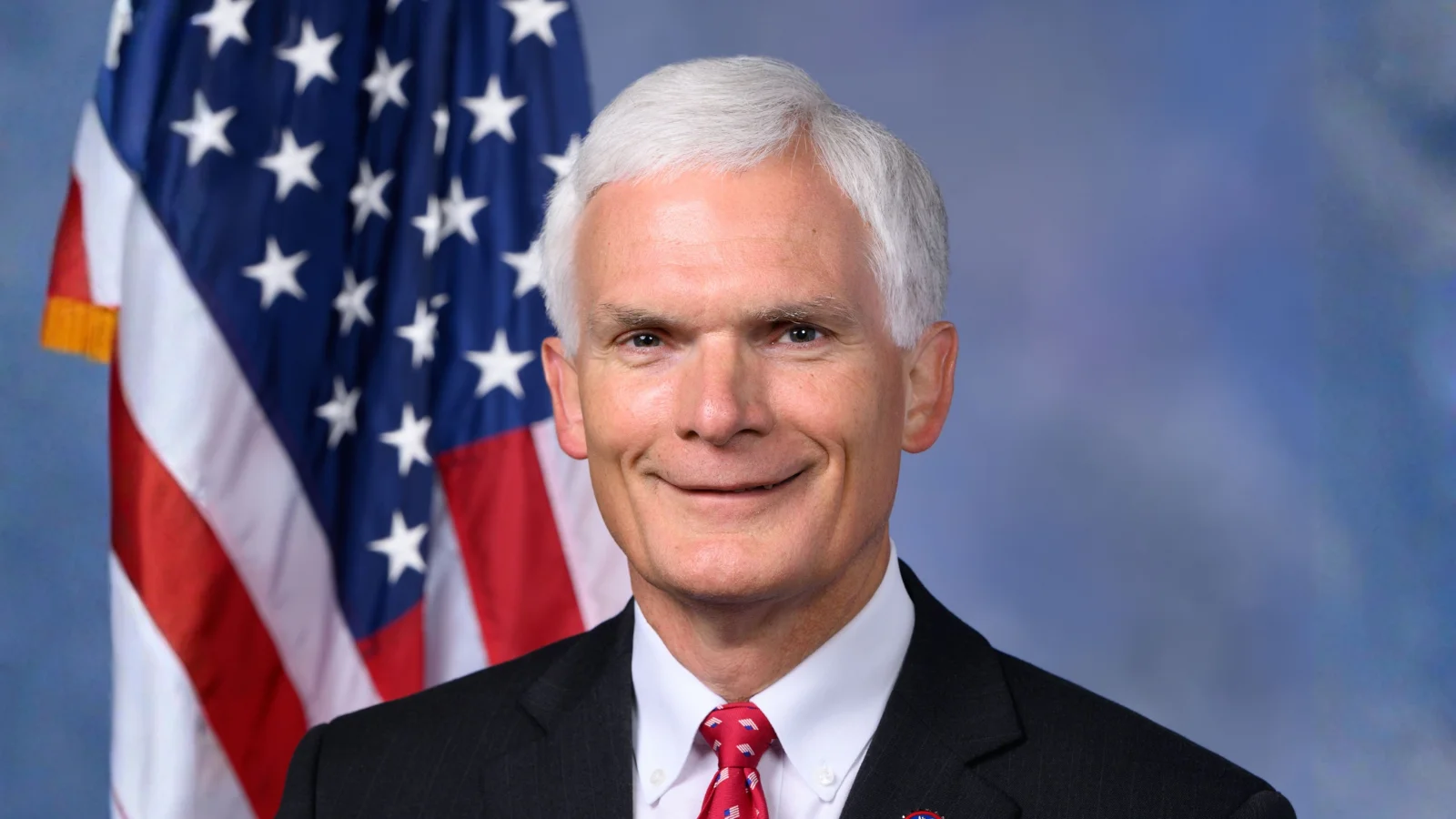
Congressman Bob Latta, Chairman of the Subcommittee on Energy, opened a hearing in Washington, D.C. focused on how the electric industry is responding to cyber and physical threats against the nation’s power grid. The hearing, titled "Securing America’s Energy Infrastructure: Addressing Cyber and Physical Threats to the Grid," aimed to inform members about current efforts and challenges in protecting critical energy infrastructure.
Latta highlighted the increasing demand for electricity, driven by growth in sectors such as artificial intelligence and manufacturing. He noted that this growth has led to more complex connections between gas pipelines, new generating resources, and expanded transmission networks. These developments have increased potential vulnerabilities to both cyber and physical attacks.
He referenced recent testimony from grid operators regarding the premature loss of dispatchable baseload power without adequate replacement. This situation has heightened blackout risks during peak demand periods in certain regions.
Latta stated, “Addressing cyber and physical threats represents another challenge to the reliable delivery of energy and power. Incapacitating the grid with cyber or physical attacks will have widespread, devastating impacts, which makes security particularly vital to our nation’s security, economy, our health, and welfare.”
He also pointed out that threats come from various sources including nation states like Russia and China. According to public assessments by U.S. intelligence agencies, China is considered an especially persistent threat due to its proxies placing attack capabilities within American infrastructure for possible use during crises or conflicts.
The hearing included witnesses from investor-owned utilities and nonprofit cooperatives that together manage most of America’s electric infrastructure. Testimony was also provided by representatives from the Electricity Information Sharing and Analysis Center (E-ISAC), operated by the North American Electric Reliability Corporation (NERC), as well as experts from Carnegie Mellon University’s National Security Council activities and Idaho National Laboratory.
Latta emphasized Congress's role over the past decade in passing laws designed to address these risks through clarifying government authority under the Federal Power Act and authorizing technical assistance programs for utilities of all sizes.
He concluded that insights gained from this hearing would help guide future updates or reauthorizations of legislative provisions intended to strengthen national energy security.