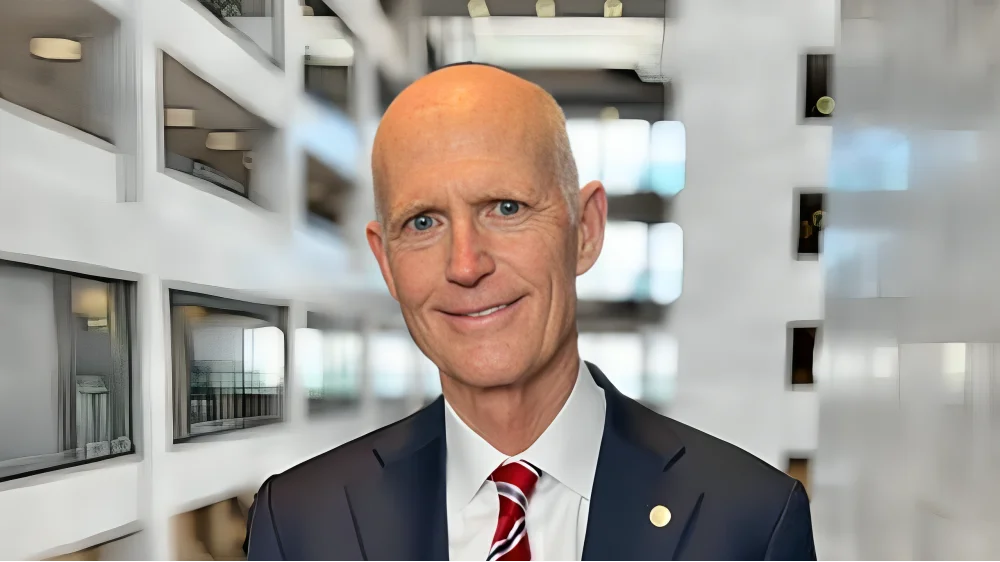
Chairman Rick Scott of the U.S. Senate Special Committee on Aging led a hearing in Washington, D.C., focusing on how community support helps older adults remain in their homes during the holiday season. The hearing, titled “Aging in Place: The Impact of Community During the Holidays,” addressed issues such as social isolation and loneliness that can intensify for seniors at this time of year.
The committee has previously held hearings on related topics, including loneliness and programs under the Older Americans Act (OAA). Chairman Scott emphasized the importance of practical strategies that allow seniors to maintain independence and avoid institutional care. He also highlighted the committee’s ongoing efforts to support both aging Americans and their families, particularly those balancing care for children and elderly relatives.
Witnesses included John Offerdahl, president of Offerdahl’s Hand-Off Foundation, who described his organization’s work delivering meals and conducting wellness checks for homebound seniors. Jason Resendez, president and CEO of the National Alliance for Caregiving, presented data showing increased pressures on family caregivers and underscored the essential role OAA programs play in helping seniors age in place. Both witnesses pointed out that most seniors prefer to stay at home, which is also more cost-effective and strengthens family ties.
In his prepared remarks, Chairman Scott stated: “The U.S. Senate Special Committee on Aging will now come to order.
Today’s hearing is meant to bring attention to an incredibly important issue for so many of America’s seniors, especially as we move into the holiday season.
We are here to focus on how to best serve older Americans who want to spend their senior years in the comfort of their own homes.
And while there are so many positives about aging in place that we’ll highlight today, we are also here to shine a light on the often-unreported crisis of isolation and loneliness.
We should be doing everything possible to support seniors who strive to age in place, and today we’ll be focusing on how Congress can get the Older Americans Act, known as the OAA, passed to reauthorize that many critical programs that support seniors with this goal.
Last week we celebrated Thanksgiving and later this month families across American will be celebrating Hannukah and Christmas. For many of us that means spending time with family and loved ones.
While these moments are a time to cherish time with loved ones, they can also be a difficult reminder of loss for older Americans who no longer have the ability to spend the holidays with their friends, spouse, or even their children.
We all know the importance of taking care of our seniors, for many older Americans who choose to age in place our goal should always be to help them have the best possible care and support. They should always have the opportunity to remain in the home and neighborhoods they love.
This is why community, strong families, faith-based organizations, volunteers, and OAA programs are so important to our aging population, especially during this time of the year.
In my home state of Florida, there are many seniors who cannot travel during the holiday season. Thankfully, many communities have the resources to give our seniors the care and attention they deserve.
Combatting the feeling of isolation and loneliness for our aging community has endless benefits – from better mental and physical health to stronger, multigenerational relationships with families and communities.
We can all agree that community matters. Strong families, faith-based organizations, volunteers, and the programs supported by the OAA create the foundation that allows older Americans who chose to age in place remain in the homes and neighborhoods they love.
That’s why supporting the successful programs made possible by the OAA and showing how faith-based groups, nonprofits, and service organizations strengthen families is so important to the work of this committee.
During the holidays, when both loneliness and the demand for caregiving rise, these supports become even more critical.
Aging in place is good for families, communities, and taxpayers.
Strengthening these programs is a bipartisan commitment to dignity, independence, and the American way of life.
For 60 years, the OAA has helped innumerable seniors by promoting social connection and life-affirming support programs. Over 10 million older Americans a year are helped by programs covered by the OAA.
The OAA continues to serve as the backbone of many assistance programs that help ensure older adults can age in place with dignity.
I am proud to work with Ranking Member Gillibrand, and Health Education Labor & Pensions Chairman Cassidy and Ranking Member Sanders to fight for reauthorization of this important piece of legislation which is a critical tool in our arsenal against neglect & abuse of our elderly population.”
Scott added his appreciation for collaboration with leaders at federal agencies: “We are working with the Trump administration who understands value these programs… I’m grateful we have a leader in White House & Department Health Human Services prioritize safety & health older Americans.”
He also mentioned bipartisan legislation aimed at providing tax credits for adult children caring for elderly relatives at home: “I am also working pass bipartisan legislation create non-refundable tax credit aimed adult children provide certain care parents or older relatives multigenerational homes.”
Scott concluded: “My hope is that with this hearing we can examine how strong community networks help older adults age in place especially during holiday season when isolation caregiver stress multigenerational pressures peak.”
The hearing reaffirmed congressional interest in supporting policies enabling seniors’ independence through local initiatives backed by federal law.