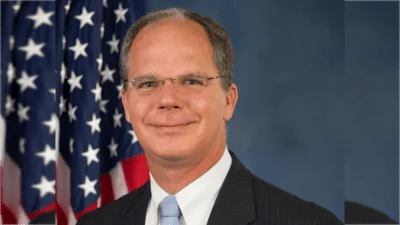
Yesterday, Congressman Bob Latta, Chairman of the Subcommittee on Energy, led a hearing in Washington, D.C. focused on securing the nation’s energy infrastructure against cyber and physical threats. The session addressed concerns about the vulnerability of the power grid and discussed strategies to enhance its security.
Chairman Latta emphasized the importance of protecting energy delivery systems from both cyber and physical attacks. He stated, “Addressing cyber and physical threats represents another challenge to the reliable delivery of energy and power. Incapacitating the grid with cyber or physical attacks will have widespread, devastating impacts, which makes security particularly vital to our nation's security, economy, our health, and welfare.” He also noted that as digitization increases and more components are connected to the grid, opportunities for malicious attacks also rise.
Congressman Troy Balderson highlighted recent findings from a report by the U.S.-China Economic and Security Review Commission. He said, “Two weeks ago, the U.S.-China Economic and Security Review Commission released their 2025 report to Congress. In this report, the commission stated that the extensive use of Chinese components in the U.S. grid creates risks for cyber espionage and sabotage. As our nation looks to increase grid resiliency and reliability in the face of historic electricity demand growth, Congress and all relevant energy stakeholders must work to reduce our reliance on foreign adversaries, such as China, to meet our energy needs.”
During testimony at the hearing, Congressman August Pfluger questioned Mr. Ball about ongoing threats from Chinese government campaigns targeting critical infrastructure. Mr. Ball responded by describing how utilities are adapting: “I think the best way to describe that is that we see an industry that is evolving in its capabilities, and it’s based on awareness. We have seen a significant awakening, and I’m not saying it’s enough, but we have seen a significant awakening to the threat within our industry. And, you know, when it boils down to it, despite the sophisticated capabilities that threat actors like the PRC have, a lot of the things that make us resilient still boil down to basic practices and making yourself and our utilities more resilient. We need to continue to bolster that capability for our industry, whether it’s large ISOs or down to the municipals and cooperatives. I think you’re hearing even today how this industry is awake to that. And I think we need to continue to empower them to be able to build a more resilient system.”
Congressman Nick Langworthy addressed concerns about over-reliance on single sources of energy: “Mr. Chairman, our witnesses know better than anyone how frequently adversaries test our defenses and target the operators who keep power flowing. As we consider these vulnerabilities, we must also recognize the broader point: cyber and physical threats don’t just expose weaknesses in the electrical system — they highlight the danger of relying on a single source of energy. When states or cities adopt policies that eliminate natural gas or restrict access to other fuels, they don’t just limit consumer choice — they reduce resiliency. Electricity is essential, but it only works when the grid is functioning. If a cyberattack or a physical incident takes the grid offline, everything that depends on electricity stops. Natural gas and propane, however, can be delivered directly to the home or facility and continue to operate independently of the electrical grid. They provide heat, hot water, cooking capabilities, and even fuel for backup generators during an outage. These fuels don’t replace electricity, but they give families, hospitals, and emergency services a critical lifeline when the grid is down. Removing these options leaves communities with only one energy source to rely on — and one point of failure.”
The hearing underscored ongoing efforts by lawmakers and industry leaders aimed at strengthening protections for America’s electric infrastructure amid growing digital threats.