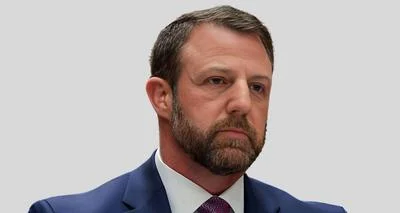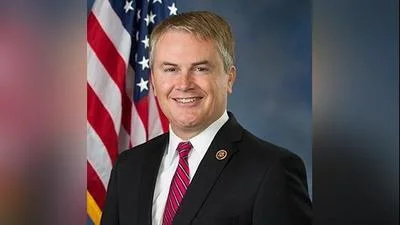
The Subcommittee on Oversight and Investigations convened a hearing to address the need for innovation and improved security in America’s mineral supply chains. Subcommittee Chair Paul Gosar (R-Ariz.) commented on the issue, stating:
“As emerging technologies strengthen America’s mining capabilities, demand for critical minerals will surge. President Trump and Congressional Republicans are cutting needless regulations to empower U.S. miners and spur innovation. By streamlining permitting and advancing new technologies, we can expand domestic production and refining, secure our supply chain, and move toward true energy and mineral independence.”
Critical minerals play a central role in many sectors, including consumer electronics, medical devices, satellites, electric vehicle batteries, and defense systems. In the last twenty years, global trade in key minerals such as lithium, nickel, copper, and cobalt has increased significantly—from $53 billion to $378 billion—and is expected to grow by nearly 500 percent by 2050.
Despite this rising demand, the United States relies heavily on foreign sources for these materials. Delays in permitting processes and regulatory challenges have discouraged investment in domestic projects. According to a 2024 S&P Global assessment, it takes an average of 29 years for U.S. critical mineral projects to progress from discovery to production—one of the slowest rates globally. These delays can cause projects to lose more than one-third of their value over time. As a result, the U.S. imports more than half its supply of 29 critical minerals and all of its supply for another 12 minerals. China remains dominant in this market by producing about 5 billion tons annually and controlling approximately 85 percent of worldwide processing capacity.
Direct lithium extraction (DLE) is cited as a promising technological advancement that could improve domestic lithium recovery with less environmental impact compared to traditional methods. Demonstration plants in Nevada and California have achieved high recovery rates using DLE technology but still face hurdles such as high costs and technical limitations at specific sites.
Policy initiatives led by President Trump and Congressional Republicans aim to boost American mineral production by reducing regulatory barriers introduced during previous administrations, modernizing permitting procedures, investing strategically in the sector, and supporting technological development. These efforts are intended to enhance national energy security while decreasing reliance on countries like China.