In October, U.S. Customs and Border Protection (CBP) recorded 7,989 apprehensions at the Southwest border, a significant decrease compared to previous years. According to the House Committee on Homeland Security, this figure represents a 95 percent drop from the monthly average during the Biden-Harris administration. Nationwide border encounters in October were also down by 92 percent compared to the peak of the previous administration.
Fiscal Year 2026 marks President Trump’s first full fiscal year of his second term. The administration reports that CBP recorded only 30,573 total encounters nationwide in October, making it the lowest start to a fiscal year on record. For six consecutive months, U.S. Border Patrol has reported zero releases of inadmissible aliens on parole.
House Committee on Homeland Security Chairman Andrew Garbarino (R-NY) stated: “Under President Trump, we’re seeing the most coordinated, whole-of-government effort ever to keep our communities safe and give our CBP officers and Border Patrol agents the tools and support they need to secure the border. CBP and the Coast Guard are delivering real results, achieving the lowest number of border encounters on record for October, sustaining six consecutive months of zero releases by Border Patrol, and interdicting a record amount of drugs headed to our shores. Congress has already made major investments in technology and in strengthening the CBP workforce, but we have more work to do to fortify our borders now and for generations to come.”
Subcommittee on Border Security and Enforcement Chairman Michael Guest (R-MS) commented: “Thanks to President Trump’s proven border policies and the dedication of the men and women of CBP, our border is more secure today than it has been in decades. October’s historic low innationwide encounters is a clear sign that enforcement works, and that momentum will continue for the American people. I am grateful the House passed my legislation, the ‘Combating International Drug Trafficking and Human Smuggling Partnership Act of 2025,’ to help enhance CBP’s mission at our borders and shores. Homeland Republicans are committed to advancing policies in Congress that protect our communities and ensure we prevent the failures we witnessed under the Biden-Harris administration.”
During October, Border Patrol agents apprehended an average of 258 inadmissible aliens per day between ports of entry along the Southwest border—a number lower than what was previously apprehended every two hours under former policy.
Federal law enforcement officials continue their efforts amid rising threats from violent radicals and international gangs. The Department of Homeland Security (DHS) reported an increase in threats against Immigration and Customs Enforcement (ICE) officers and Border Patrol agents compared with last year. In October, DHS noted that Mexican gangs had placed bounties on ICE officers’ lives as well as those of senior Border Patrol agents. To address these concerns, a hearing was held by the committee with testimony from law enforcement stakeholders.
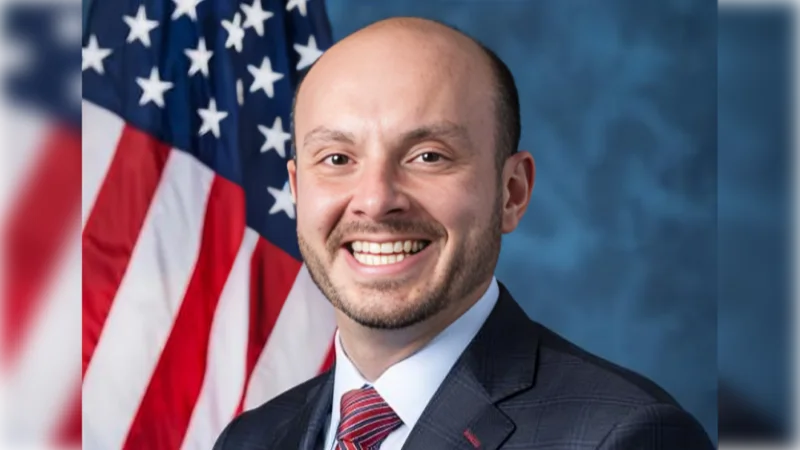
Recognizing increased risks faced by federal law enforcement personnel as well as ongoing challenges linked to prior immigration policy crises, congressional Republicans have prioritized mental health support for CBP staff. Representative Tony Gonzales (R-TX) introduced legislation known as “Providing Emotional Assistance with Relief and Love Act” (PEARL Act), which passed in the House last month.
The current approach toward border enforcement is also credited with reducing illicit drug smuggling into U.S. communities; nationwide seizures included 968 pounds of fentanyl—a 50 percent increase over September totals.
The U.S. Coast Guard continues its role in securing national borders against criminal organizations operating along maritime routes. On October 9th, Operation River Wall was launched by USCG to bolster protection along over 260 miles of Rio Grande River forming part of America’s Southwest boundary.
As criminals increasingly attempt to exploit maritime routes for human trafficking or drug smuggling operations into U.S territory, recent legislative efforts such as Subcommittee Chairman Guest’s “Combating International Drug Trafficking and Human Smuggling Partnership Act of 2025”—which passed last month—aims at enhancing international cooperation for improved prevention capabilities at U.S borders.