The U.S. Department of the Treasury’s Office of Foreign Assets Control (OFAC) has announced sanctions against four individuals and four entities accused of supporting the ongoing civil war in Sudan. The sanctioned network, mainly made up of Colombian nationals and companies, is alleged to have recruited former Colombian military personnel—including children—to fight for the Rapid Support Forces (RSF), a paramilitary group in Sudan.
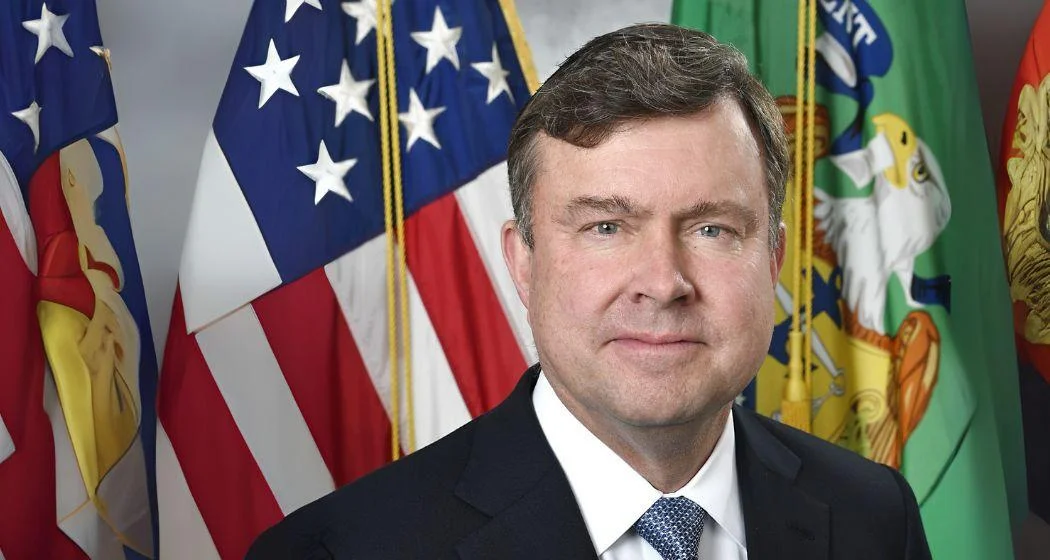
“Treasury is targeting a network that recruits fighters for the Rapid Support Forces (RSF),” said Under Secretary of the Treasury for Terrorism and Financial Intelligence John K. Hurley. “The RSF has shown again and again that it is willing to target civilians—including infants and young children. Its brutality has deepened the conflict and destabilized the region, creating the conditions for terrorist groups to grow.”
Since April 2023, according to OFAC, RSF and allied militias have targeted civilians through killings, sexual violence, and obstruction of humanitarian aid. Despite attempts by RSF to minimize reports about its conduct, atrocities reportedly continue, including during its capture of El Fasher on October 26, 2025—an event marked by mass civilian deaths and other abuses. In January 2025, the U.S. Department of State determined that members of RSF committed genocide.
The United States maintains that instability in Sudan could make it a haven for groups threatening U.S. interests. The government remains committed to principles laid out in a joint statement from September 12, 2025—which calls for a temporary truce followed by a permanent ceasefire and transition toward an independent civilian government—and urges outside actors to stop funding or arming parties involved in the conflict.
OFAC worked with U.S. Customs and Border Protection’s National Targeting Center during its investigation into those sanctioned.
According to OFAC findings, hundreds of ex-Colombian soldiers have traveled since September 2024 to join battles across Sudan as infantrymen, drone pilots, vehicle operators, trainers—even instructing child soldiers—for RSF operations in Khartoum, Omdurman, Kordofan, El Fasher and elsewhere.
Alvaro Andres Quijano Becerra—a dual Colombian-Italian national residing in the UAE—is identified as central to recruiting these fighters through Bogota-based International Services Agency (A4SI), which he co-founded with his wife Claudia Viviana Oliveros Forero (A4SI owner/manager). Recruitment campaigns were conducted online and via local events.
To conceal links between A4SI and employers hiring Colombian fighters while minimizing legal exposure, Panama-based Global Staffing S.A.—now Talent Bridge S.A.—acted as intermediary; contracts were signed under Global Staffing’s name while funds flowed through their accounts. Oliveros was previously president/treasurer at Global Staffing before maintaining an affiliation as company subscriber.
Maine Global Corp S.A.S., another employment agency managed by Mateo Andres Duque Botero (dual Colombian-Spanish national), handled payrolls for these operations with assistance from Duque’s firms based in Colombia, the United States, and United Kingdom—facilitating wire transfers worth millions between various related entities over 2024–25.
Monica Muñoz Ucros served as alternate manager at Maine Global Corp as well as manager at Comercializadora San Bendito; both entities engaged directly with Duque-linked companies via financial transactions.
Sanctions are imposed under Executive Order 14098 against Quijano/A4SI for actions threatening peace or stability in Sudan; against Oliveros for her leadership role at A4SI; against Global Staffing due to its connection with A4SI; against Maine Global Corp for material support provided; against Duque/Muñoz for executive roles at Maine Global Corp; and against San Bendito due to control by Muñoz.
All property within U.S. jurisdiction belonging to these designated persons or controlled entities is now blocked—with reporting required—and most transactions involving them are prohibited unless specifically authorized by OFAC licenses or exemptions. Violations can lead to civil or criminal penalties under strict liability rules outlined in OFAC’s enforcement guidelines.
The sanctions program aims not only at punishment but also seeks behavioral change among designees; removal from sanction lists can be requested following established procedures described on OFAC's website.