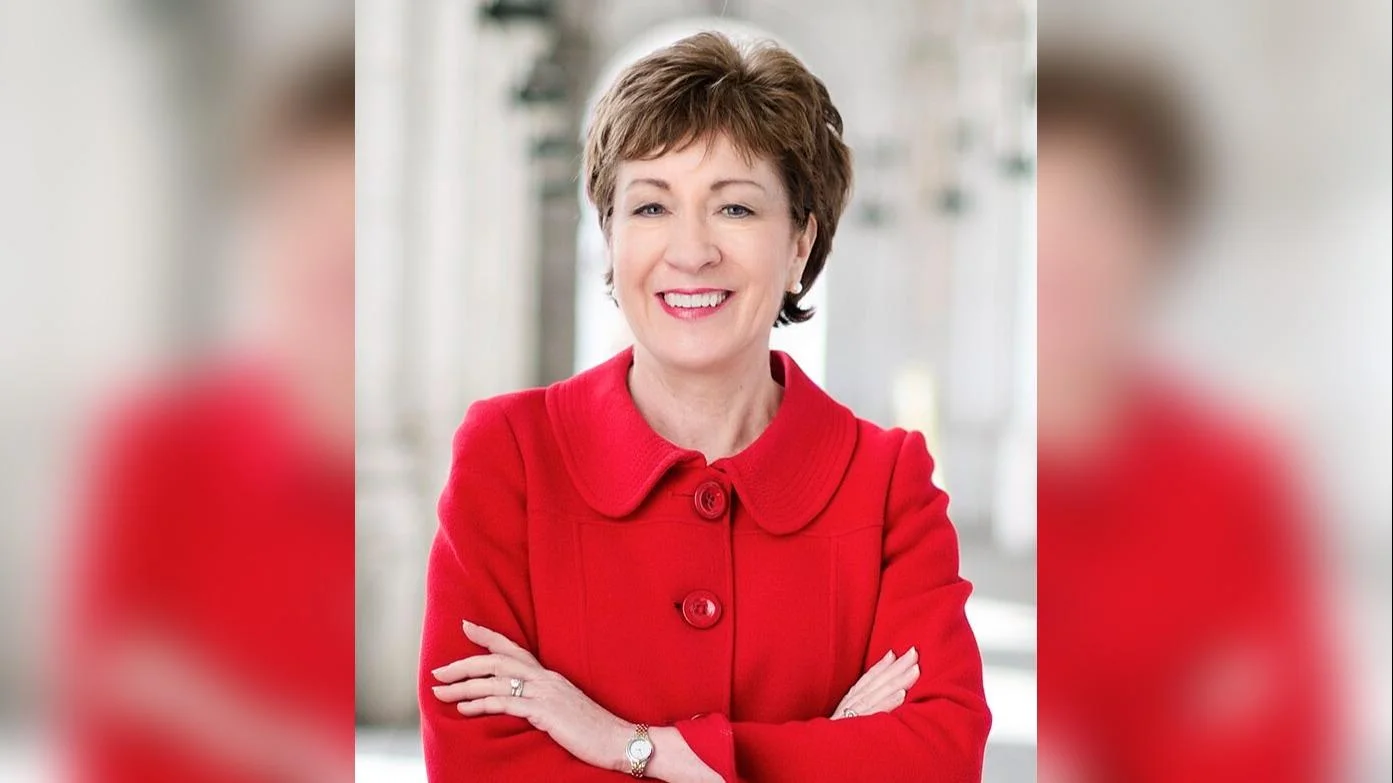
At a recent Senate Appropriations Subcommittee hearing, Senator Susan Collins, Chair of the Appropriations Committee, called on United States Trade Representative Jamieson Greer to address the impact that tariffs have had on Maine industries. Collins highlighted how the economies of Maine and Canada are closely linked, with products such as potatoes, blueberries, lobster, and lumber often crossing the border for processing before returning to Maine.
Collins noted that while many products are exempt from tariffs under the USMCA agreement—including pulp produced in a Canadian mill across from Madawaska, Maine—some sectors remain affected by other trade measures. She specifically raised concerns about the 50% tariff imposed on imported steel and aluminum under Section 232. According to Collins, these tariffs have increased costs for essential equipment in both the lobster and blueberry industries. She stated:
"Maine and Canada's economies are so intertwined. For example, Maine potatoes, blueberries, lobster, and lumber are produced in Maine, but then often shipped across the border for processing and then come back over. Under the USMCA, fortunately, a lot of those products are exempt, including the pulp that is produced in a Canadian mill that is literally across the river from a paper mill in Madawaska, Maine, and that mill supports more than 500 direct jobs… I know that the agreement is under review, and I will just express my hope that you will keep in mind how important the exemptions are to the functioning of many of Maine's most important industries."
She continued:
"I do want to ask you, though, specifically about the steel and aluminum Section 232 tariffs. The 50% tariff imposed on imported steel and aluminum is affecting two of Maine's most iconic industries: the lobster industry and the blueberries industry.
I recently wrote to you and Secretary Lutnick, highlighting the need for relief for both of these important sectors. For the lobster industry, the tariff has increased costs for essential equipment like traps. The blueberry industry, which has had a terrible year, including an overly rainy spring and then a drought during the summer season, is now forced to pay increased costs on critical harvesting and mowing equipment. Earlier this year, the Commerce Department terminated the exclusions process for Section 232 steel and aluminum tariffs, and that was a potential path for relief for these two critical sectors in our economy.
Could you talk about whether you are revisiting the specific hardships that are imposed by these 50% tariffs. For example, the sharp knives that are used for certain mowing equipment for blueberries are available only in Canada. It's not as if there is a distributor in Maine or other places that can fill the need for blueberry growers.Is reopening the exclusions process under consideration?"
Ambassador Greer responded:
"Thank you, Senator, and I also appreciate the conversations we've had in recent months and I'm always, you know, glad to hear feedback on the President's programs. Section 232, as you know, is a Commerce Department program so I don't control how that's operated. However I'm happy to raise that with Secretary Lutnick. We regularly hear from domestic producers who are having a large benefit from program but we also hear at times folks will come discuss effects of steel & aluminum tariffs on things they're trying get...I'm happy go Secretary relay your views him."
During another part of her remarks Collins discussed L.L.Bean’s operations in Vietnam following its move out of China due to trade conditions:
"… In October USTR announced trade framework with Vietnam which maintained as I understand it 20% reciprocal tariff imports Vietnam also sought identify certain products receive zero rate...Reaching fair balanced trade deal Vietnam especially important Maine businesses like L.L.Bean historic family-owned company...L.L.Bean moved out China moved lot operations Vietnam would not have anticipated Vietnam would be subject such high tariff.
Has Administration your office particular identified list products will receive zero-product tariff rate or process determining which kinds products will receive more favorable treatment?"
Greer replied:
"Thank you Senator...as baseline early September President identified list products cannot be grown or physically obtained United States because they aren’t geologically present or climatologically can't be grown here...He identified those September types goods where he would provide 0% reciprocal tariff rate countries once they conclude agreements...list came out November captures general universe what might be there...really agricultural products can't be grown U.S., minerals ores just aren't present United States...deal with Vietnam final details still being finalized...I'm happy have another conversation with L.L.Bean regarding their concerns but that's where we are right now."
This week Senator Collins wrote to Commerce Secretary Howard Lutnick and USTR Greer requesting targeted relief from steel/aluminum tariffs specifically affecting wild blueberry growers after weather challenges this year impacted yields further increasing financial strain due rising input costs resulting from tariffs termination exclusion process earlier this year.
In November she wrote USDA Secretary Brooke Rollins urging disaster assistance support specialty crop/livestock producers throughout state facing hardship related both market disruptions adverse weather events.