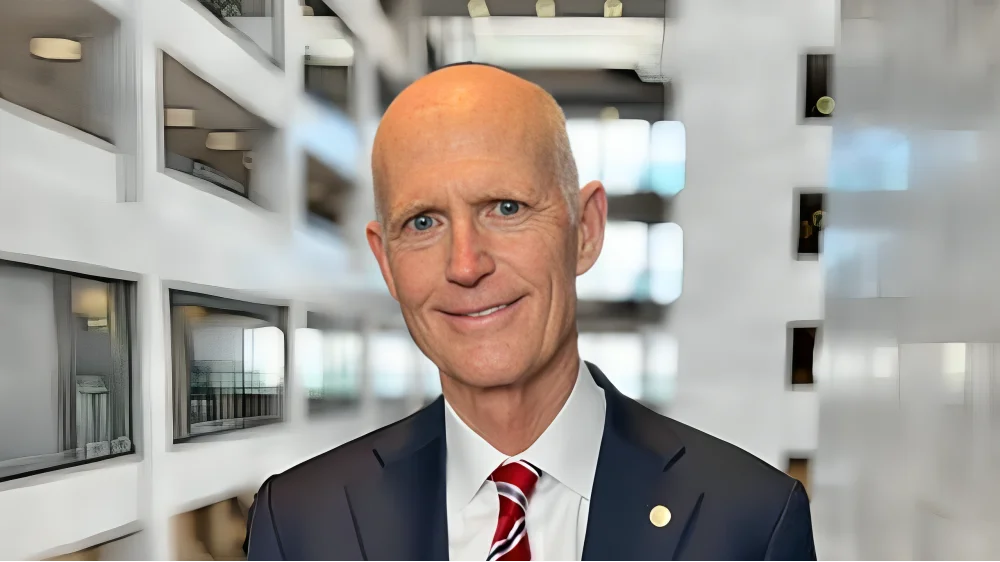
U.S. Senate Special Committee on Aging Chairman Rick Scott has issued a warning to American families, particularly seniors, about the risks associated with foreign-manufactured generic drugs. This comes after an investigative report and hearings led by Chairman Scott and Ranking Member Kirsten Gillibrand that examined the United States’ dependence on generic drugs imported mainly from India and China.
Chairman Scott and Senator Gillibrand have sent letters to officials such as Department of Veterans Affairs Secretary Doug Collins, FDA Commissioner Martin Makary, Department of Health and Human Services Secretary Robert F. Kennedy, Jr., as well as major U.S. pharmacies and pharmaceutical distributors. Their efforts included a report detailing the extent of America’s reliance on foreign-made generics and committee hearings in September, October, and November that addressed related risks.
Scott stated: “Every American relying on foreign-manufactured generic drugs deserves to know the risks in their medicine cabinet. As chair of the U.S. Senate Special Committee on Aging, I’m leading a bipartisan effort to expose the truth. Right now, roughly 80% of the active pharmaceutical ingredients in these drugs come from India and Communist China, many of which are made in unsafe, unsanitary conditions in facilities that are far too infrequently inspected. These drugs can pose serious health risks to YOU, with some instances linked to injury or death. America’s reliance on foreign-made generic drugs isn’t just a public health threat, it’s a national security risk because the Chinese Communist Party could cut off the supply at any moment, leaving our seniors, military members, and every American without the medicines they need.
“Americans should not be forced to roll the dice with the safety, supply, or availability of their medicine. While more unannounced inspections are being done, the FDA still conducts far fewer inspections of foreign manufacturers' facilities than it does in the United States and even grants foreign manufacturers violation waivers to avoid disrupting the supply chain. This is a threat to our national security and personal safety that must change NOW. We must act TODAY to bring manufacturing back to America, increase oversight of foreign manufacturers, require proper labeling of country of origin, and ensure our supply chains are secure so our seniors and every family can finally trust the medicine in their cabinet.”
According to data presented by Scott’s office:
- In 2024 only 37% of pharmaceuticals consumed in the U.S. were manufactured domestically; this figure was 83% in 2002.
- China supplies most U.S.-imported ibuprofen (95%), acetaminophen (70%), and nearly half (45%) of penicillin imports.
- About 90% of global antibiotic active pharmaceutical ingredients (APIs) originate from China; for 83% of top generic drugs used by Americans there is no domestic API source.
- India provides around half of all generics used in America but relies on China for about 80% of its APIs.
- A recent study found serious adverse events were reported 54% more often for Indian-manufactured generics compared with those made in America.
Proposed solutions include establishing a federal buyer’s market favoring American-made products for essential medicines; mapping drug supply chains; requiring companies to disclose country-of-origin information; using trade authorities for enforcement; closing loopholes regarding “Made in America” labels; and supporting domestic biotechnology development.
The Senate Aging Committee functions as an authorized special committee within the U.S. Senate with powers to hold hearings and investigations related to issues affecting older Americans such as healthcare access (official website). The committee is chaired by Rick Scott with Kirsten Gillibrand serving as ranking member (official website). It provides resources like reports and fraud prevention tools aimed at informing both policymakers and older adults (official website).
For further details or recommendations from this investigation into pharmaceutical sourcing vulnerabilities impacting aging Americans nationwide—an area under direct oversight by this legislative body—readers can consult additional materials provided by the Senate Aging Committee.