This week, the Subcommittee on Cybersecurity and Infrastructure Protection and the Subcommittee on Oversight, Investigations, and Accountability held a joint hearing to address threats related to emerging technologies such as artificial intelligence (AI), quantum computing, and cloud infrastructure. The session also examined how these technologies can be used to defend against cyberattacks.
The hearing featured testimony from Dr. Logan Graham of Anthropic, Royal Hansen of Google LLC, Eddy Zervigon of Quantum Xchange, and Michael Coates of Seven Hill Ventures.
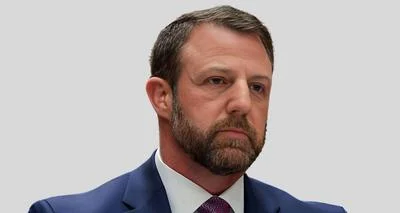
Subcommittee Chairman Andy Ogles (R-TN) highlighted concerns about increased cyber activity from foreign adversaries including China and Russia. He stated: “Artificial intelligence is changing the pace and character of cyber activity. It allows information to be processed at speeds far beyond human capacity, enables automation across complex networks, and supports decision making at scale.”
He added: “The People’s Republic of China and the Russian Federation are investing heavily in advanced computing, automation, and data exploitation as tools of national power. They view artificial intelligence, cloud infrastructure, and emerging technologies as means to gain strategic advantage, conduct sustained cyber and intelligence operations, and operate below the threshold of open conflict.”
Ogles emphasized Congress’s oversight role: “Congress also has an important responsibility. Oversight helps ensure that security keeps pace with adoption, that roles and responsibilities are clearly defined, and that risks are addressed early rather than after serious harm has occurred. This is not about slowing innovation. It is about making sure innovation strengthens the nation rather than exposing it.”
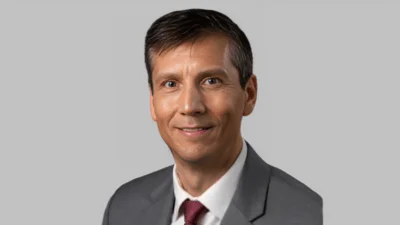
Chairman Josh Brecheen (R-OK) discussed both the benefits of AI technology and its potential for misuse by malicious actors. He said: “The integration of AI into cyberattacks should concern all Americans. The recent cyberattack leveraging Anthropic’s AI infrastructure showed that complex attack campaigns can now be conducted with little-to-no human intervention at speeds faster than any human could replicate.”
Brecheen continued: “China, our most significant cyber threat actor, continues to search for new tactics to infiltrate critical U.S. systems, and is prioritizing the development of advanced computing technology and AI that supports its economic and strategic goals. Cyber espionage has been a key part of China’s ongoing campaign of stealing intellectual property to fuel rapid technological advancement at the expense of American innovators.”
He stressed proactive measures by federal agencies: “From an oversight perspective, we need to make sure that federal civilian agencies are taking the proactive steps needed to protect sensitive networks against intrusions. Technology doesn’t advance on the government’s timeline; we can’t afford to have federal cybersecurity practices move at the speed of government. That path leaves us reacting to security failures instead of proactively confronting today’s evolving threats.”
Royal Hansen testified on equipping defenders with automation similar to what attackers use: “There are far more defenders in the world than there are attackers, but we need to arm them with that same type of automation that you saw in the attack described by Anthropic––because it’s, in many ways, using commodity tools that we already have to both find and fix vulnerabilities… While the attackers are experimenting, we need the defenders to be experimenting and becoming great users of AI to find the same vulnerabilities we are describing but instead of to exploit them, to patch them.”
Dr. Graham commented on changes in cybersecurity threats: “We are at a change point... The first that we see now is... this was the first time where these models will now be sought and used by sophisticated state actors… It’s also possible this gets more serious... It’s really hard to win if we can’t see the playing field… We should be sharing threat intelligence as it happens so that we can mitigate as fast as possible.”
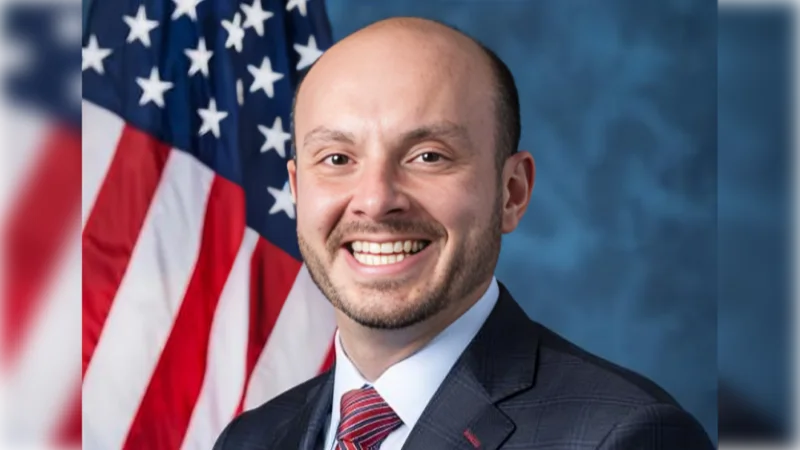
Dale Strong (R-AL), Chairing Emergency Management & Technology Subcommittee asked about national security concerns regarding cloud services supporting government systems; Mr. Hansen responded: “I think it is helping us clean up legacy technology issues... When you look at vulnerabilities... it’s generally people running on old versions... And so... modernizing is going to make you more secure in the moment.”
On Wednesday another hearing took place by House Committee on Homeland Security's Task Force on Enhancing Security for Special Events focused on preventing human trafficking during mass gatherings such as upcoming major international sporting events.
Witnesses included Eliza McCoy from American Hotel & Lodging Association Foundation; Yasmin Vafa from Rights4Girls; Jonathan Thompson from National Sheriff’s Association; Courtney Litvak from No Trafficking Zone; Megan Lundstrom from Polaris.
Task Force Chairman Michael McCaul (R-TX) called for coordinated efforts against trafficking: “The United States stands as a beacon... Yet every day millions... subjected to forced labor or sexual exploitation.... As we prepare for [major events], it is essential law enforcement advocacy groups industry partners federal government work together disrupt trafficking operations protect most vulnerable among us."
He cited global statistics noting 27.6 million people trafficked worldwide—77 percent forced labor; 23 percent sex trafficking—and noted both men/boys (57%) women/girls (43%) affected.
McCaul stressed training beyond law enforcement alone: "As much as rely law enforcement enforce justice ... advocacy groups industry partners play critical role through providing intelligence raising public awareness.... Training coordination must extend beyond law enforcement include hotel staff venue security event organizers transportation personnel other frontline workers."
When asked about unaccompanied alien children potentially exploited after crossing borders under previous administration Jonathan Thompson said: "We believe it is about 400000.... Records ... deeply disturbing ... our inability find assure Congress nation public these individuals not dead being trafficked one way shape form including sex trafficking labor trafficking others.... What I can tell you ... looking administration ... get arms around data? Number one.... Number two then what do you do with data targeting package perspective where does go how followed up upon? Those two steps alone incredibly labor financially incentive costly takes time."
Ms McCoy described hotel industry preparation for large events: "In hotel industry long-standing commitment being ready training operational perspective certainly when large events take opportunity amplify efforts reinforce them ... become automatic component every employee's experience just continue double down when attention awareness major events."
Courtney Litvak addressed community action against trafficking stating: "Anybody can be victim anybody can be trafficker anybody can be buyer well also procurer forced labor this happen any child… I never want somebody walk through what myself family walked through countless other victims so many never get voices heard they have voice but many sadly do not make out… Don’t wait until happens you where should become personal before happens you everybody takes up arms covers communities churches schools institutions government … need more unity but also education awareness Be prepared before happens you."