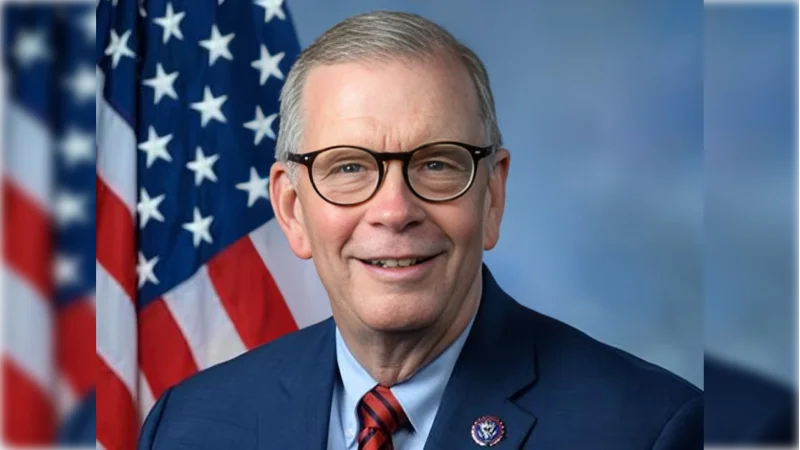
Today, the House Education and Workforce Committee held a markup session to consider two bills aimed at supporting pregnant students and combating human trafficking. Chairman Tim Walberg (R-MI) delivered remarks outlining the purpose and provisions of each bill.
The first bill discussed was H.R. 6359, known as the Pregnant Students’ Rights Act. According to Walberg, "too many pregnant students don’t know what help is available to them." He noted that Title IX provides for reasonable accommodations such as excused absences for medical appointments and childbirth but said that students often receive incomplete or incorrect information about their rights.
Walberg explained, "The Pregnant Students’ Rights Act would change this. It requires colleges and universities to clearly inform students of their rights under Title IX and to provide a list of on-campus and community resources that can help an expectant mother through pregnancy, childbirth, and parenting—without forcing her to put her education on hold."
He added that the legislation also outlines how students can file complaints with either the Department of Education or their school if they believe they have faced discrimination due to pregnancy. Walberg emphasized institutional responsibility: "Colleges and universities have a responsibility to ensure every pregnant student feels supported in continuing her education."
He also acknowledged Representative Ashley Hinson (R-IA) for sponsoring the bill for three consecutive Congresses.
The second bill considered was H.R. 4307, titled the Enhancing Detection of Human Trafficking Act. Walberg described it as bipartisan legislation he co-authored with Congresswoman Lucy McBath. The bill aims to improve the Department of Labor’s capacity to identify human trafficking cases involving adults and children.
"Specifically," Walberg stated, "it ensures DOL enforcement personnel are trained to recognize the signs of trafficking, have the tools they need to detect forced labor and sexual exploitation during workplace investigations, and have a clear process for coordinating with law enforcement." The act also mandates an annual report to Congress intended to guide oversight efforts by the committee.
Both pieces of legislation were presented as steps toward better support for vulnerable populations within educational institutions and workplaces.