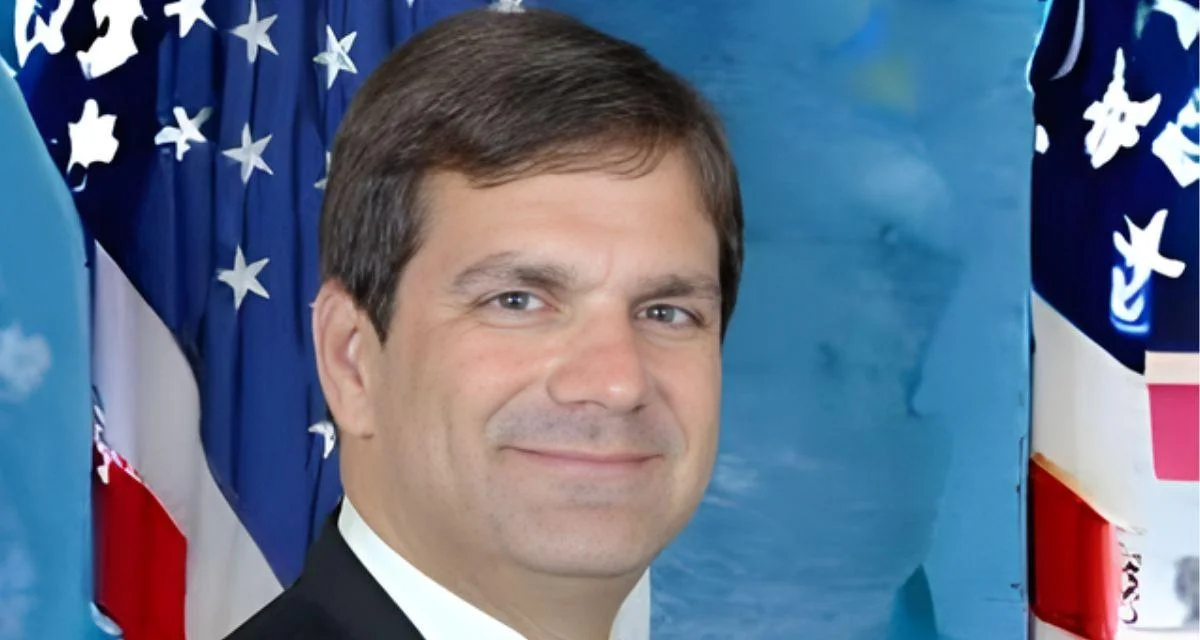
Congressman Gus Bilirakis, Chairman of the Subcommittee on Commerce, Manufacturing, and Trade, opened a hearing in Washington, D.C., to discuss legislative measures intended to modernize motor vehicle safety. The session focused on ways to strengthen vehicle safety standards, ensure consumer choice and affordability, and support U.S. leadership in the automotive sector.
In his statement, Bilirakis emphasized the significance of addressing roadway fatalities. “Whether it is protecting our kids online or ensuring the safety of the cars in our driveways, we have always understood that there is no partisan way to save lives. In 2024, nearly 40,000 people died on our roadways,” he said. He stressed that each statistic represents an individual loss and called for action beyond accepting such outcomes as inevitable.
Bilirakis highlighted two key legislative efforts under consideration by the subcommittee. The first is a bipartisan draft of the SELF-DRIVE Act, which aims to create a federal framework for deploying autonomous vehicles safely. He credited Representatives Latta and Dingell for their work on this proposal. According to Bilirakis: “AVs are not just a luxury; they can be a lifeline. By reducing human error, which causes the vast majority of crashes, we can prevent tragedies before they happen. AVs can also empower seniors and people with disabilities to be mobile and regain their independence.”
He further argued that advancing autonomous vehicle technology is essential for maintaining U.S. competitiveness against China: “This legislation is also necessary to successfully compete against communist China, who are seeking to flood the world with Chinese self-driving technology. We cannot let America fall behind.”
The second measure discussed was the Motor Vehicle Modernization Act. This bill proposes reforms aimed at improving operations within the National Highway Traffic Safety Administration (NHTSA), increasing its accountability to Congress, and enhancing its ability to promote automotive innovation and safety.
“These include reforms to NHTSA’s New Car Assessment Program, which provides market incentives for automakers to compete on safety,” Bilirakis explained. The proposed legislation would also require NHTSA to provide Congress with a clear roadmap of its research priorities and update its exemption process so new vehicle technologies can be deployed more readily.
Bilirakis noted concerns about rising vehicle costs: “Finally, as we consider proposals to ensure motor vehicle safety, we must keep in mind the high costs of motor vehicles, which reached a record high of $50,000 for an average new vehicle.” He warned that if consumers cannot afford these vehicles with advanced safety features, highway safety could suffer as a result.
He concluded by expressing optimism about working together toward effective legislation: “I am confident that, working together, we can advance legislation that prioritizes safety and American automotive leadership. I look forward to hearing from our witnesses on how we can achieve that dream together.”